
info@jxgreentape.com
When HVAC and industrial duct systems run hot, the sealing materials become part of the plant’s reliability story. Leaks mean energy loss, reduced system efficiency, and often unexpected downtime. Maintenance and engineering teams therefore standardize on materials with proven high-temperature behavior. Many buyers begin by requesting test data and trial rolls from a Glass cloth tape distributor, then validate performance on their ovens and stacks before committing to long runs. Good practice pairs technical evidence with clear procurement clauses so that the team gets both material performance and traceability in case a lot acts differently in service.
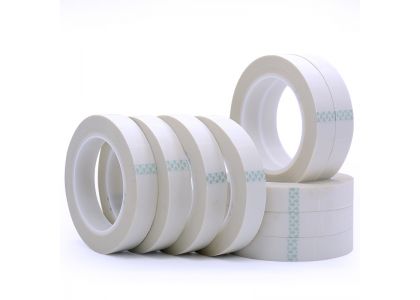
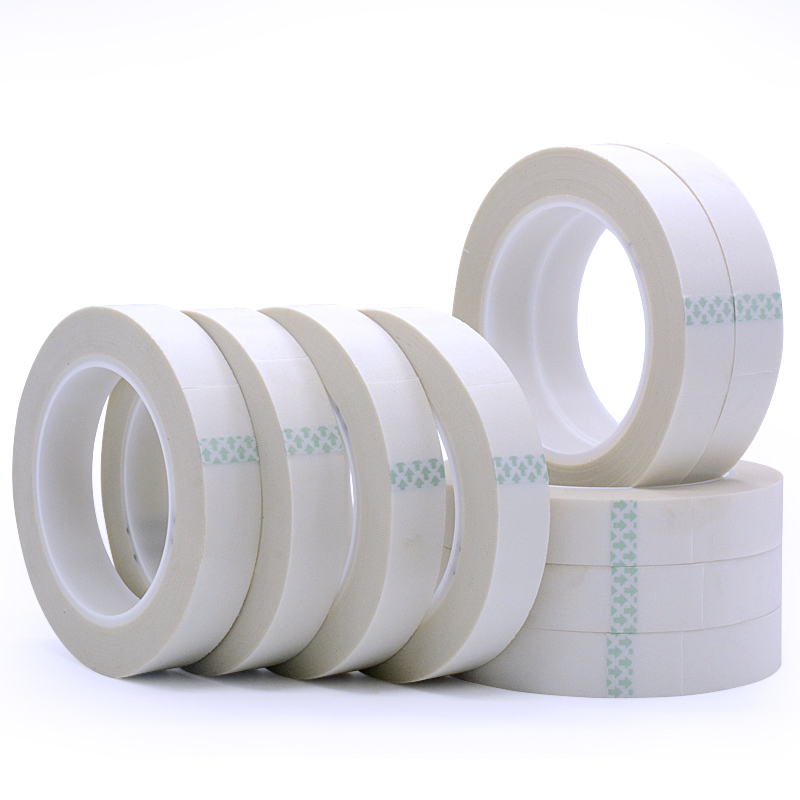
Ducts that handle heated air, flue gases or process exhaust expose sealing materials to continuous elevated temperatures and repeated thermal cycling. Glass cloth silicone tape wholesale price constructions combine a woven glass-cloth carrier and a silicone-based adhesive that tolerates these stresses. The glass cloth delivers dimensional stability and abrasion resistance; the silicone adhesive delivers high-temperature endurance and usually clean removability when removed within the recommended window. For larger facilities, buying at Glass cloth silicone tape wholesale price levels reduces unit cost while ensuring supply continuity for maintenance crews.
Key functional benefits for duct sealing include: continuous temperature endurance appropriate to your process, resistance to common cleaning chemistries and condensates, mechanical toughness during installation, and minimized residue on removal — all measurable via material data sheets and verification tests.
Large campaigns and long-term programs benefit from factory-direct sourcing. Purchasing Factory direct glass cloth tape gives you direct access to the factory’s production schedule, slitting capabilities, and batch documentation. That means rapid escalation when a lot deviates, and the ability to contract for slitted or die-cut rolls that eliminate in-field cutting and reduce labor.
Operational wins when you choose Factory direct glass cloth tape include: predictable lot-to-lot formulation, easier audit trails (raw-material IDs, adhesive coat weight records), and collaboration on small-run prototypes for unusual geometries or adhesive profiles. Combining factory-direct core stock with a distributor for emergency replenishment is a practical hybrid approach for many operators.
A qualified Glass cloth adhesive tape supplier will provide materials used across multiple maintenance tasks: sealing expansion joints, securing insulation jacketing, wrapping thermocouple leads and small heater elements, masking for spot repairs, and reinforcing high-wear patches. Suppliers who add application guidance — recommended overlap, applied tension, and removal timing — reduce field errors that otherwise show up as seal failures.
Beyond product supply, a professional Glass cloth adhesive tape supplier can support slitting, clean-room handling, and small-batch die-cutting so the operations team receives ready-to-use items rather than needing to cut and prepare rolls on site.
Choosing the right distributor is largely about risk control. Ask prospective vendors for technical evidence:
A capable Glass cloth tape distributor will support first-article approvals, offer sample slits or prototype kits, and supply certificates of conformity. For regulated facilities, contractual clauses requiring notification of formulation changes and retention of first-article samples are worthwhile protections.
Case 1 — Large HVAC retrofit (simulated)
A municipal heat plant had recurring duct leaks at roughly 180°C. By standardizing on Glass cloth silicone tape wholesale price rolls that met the plant’s specified continuous temperature rating and by negotiating slitted roll supply, the team cut leak-related downtime by nearly half over six months. They maintained factory-direct core stock for bulk runs and relied on a local Glass cloth tape distributor for emergency top-ups. (Simulated example.)
Case 2 — Food plant washdown resilience (simulated)
A food-processing facility required frequent duct repairs because of steam and washdown cycles. Switching to a product from a vetted Glass cloth adhesive tape supplier that was rated for heavy humidity and frequent thermal cycling reduced recurring repairs and eliminated residue problems during hygiene inspections. (Simulated example.)
Case 3 — Chemical plant vent stack program (realistic-style)
A chemical producer selected a vetted Glass cloth tape distributor to supply vent and duct seals. The distributor provided MDS and third-party thermal-aging reports; documentation supported regulatory inspections and helped reduce unplanned seal failures. (Realistic-style example; seek site permission before public use.)
Define the service profile: maximum continuous temperature, expected peak spikes, chemical exposures, mechanical wear, and any electrical insulation requirements.
Require MDS, peel/shear test reports, and thermal-aging data.
Run representative in-situ trials (adhesion, removal residue, thermal cycling).
Supplier & contract controls
For steady, long-term programs, negotiate Factory direct glass cloth tape contracts with lot continuity and price bands.
Maintain a qualified Glass cloth tape distributor for rapid replenishment and diverse SKUs.
Include first-article approval, lot certificates, and sample-retention clauses (e.g., 3 months) in POs.
Application & storage
Train staff on overlap percentages, applied tension, and removal windows to avoid residue.
Store rolls in controlled conditions and follow FIFO.
Keep a retained sample archive tied to lot numbers to expedite failure analysis.