
info@jxgreentape.com
In industrial sectors where high-heat operations are standard, choosing the right insulation is essential for safeguarding machinery and maintaining efficiency. Products like high temperature glass cloth tape, heat resistant glass cloth tape, and tapes that emphasize glass cloth insulation tape quality have become essential tools in ensuring long-lasting protection. Backed by innovations from reputable glass cloth tape manufacturers, these solutions are produced in advanced glass cloth tape factories and distributed globally by reliable glass cloth tape suppliers. Their durability and consistent performance have made them the insulation of choice in power generation, aerospace, automotive, and metal processing industries.
High-heat industrial environments such as steel plants, aircraft engine compartments, and power turbines demand materials that resist extreme temperatures and wear. High temperature glass cloth tape is engineered using heat-treated fiberglass and premium adhesives, enabling it to withstand temperatures up to 550°C without degradation. Similarly, heat resistant glass cloth tape offers stable insulation under fluctuating thermal cycles. These tapes maintain structural integrity, reduce thermal bridging, and resist abrasion, making them superior to conventional insulation materials.
Engineers also appreciate the role of glass cloth insulation tape quality, especially in systems where any compromise in insulation can lead to costly downtime. Verified by third-party testing, these products consistently meet ISO and UL standards. From glass cloth tape manufacturers to end users, quality assurance at every step ensures dependable performance under stress.
The exceptional durability of these tapes stems from the use of woven glass fabric substrates combined with high-temperature silicone or acrylic adhesives. High temperature glass cloth tape offers flame resistance, high tensile strength, and low moisture absorption, making it ideal for wrapping hot pipes, cables, and furnace linings. Meanwhile, heat resistant glass cloth tape adds value in electrical insulation applications, particularly where dielectric stability is crucial.
With a focus on glass cloth insulation tape quality, reputable glass cloth tape factories adopt stringent QA/QC processes, including thickness uniformity checks and thermal resistance tests. This attention to detail not only enhances product lifespan but also simplifies installation. For buyers working with a glass cloth tape supplier, understanding these technical specs ensures they choose the best material for their application.
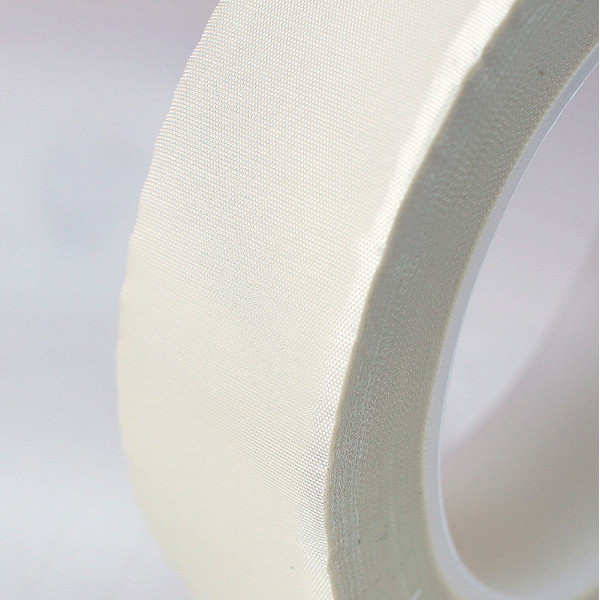
To unlock the full benefits of these tapes, installers must adhere to proven application methods. Surfaces should be cleaned thoroughly of oil, debris, and moisture. Apply high temperature glass cloth tape with firm, consistent pressure to ensure even bonding. When using heat resistant glass cloth tape, especially in layered applications, slightly overlapping the tape improves sealing and heat containment.
In environments where glass cloth insulation tape quality is a priority, ambient temperature during installation should be kept within the recommended range. Using professional tools like seam rollers and heat guns can further enhance adhesion. It's also beneficial to conduct post-installation inspections to ensure complete surface coverage and integrity.
Feedback from field engineers underscores the reliability of these tapes. For instance, a power plant in Southeast Asia reported a 12% drop in maintenance costs after switching to high temperature glass cloth tape. In aviation, heat resistant glass cloth tape is used to protect wiring harnesses near engine components, reducing the risk of insulation failure. Similarly, facilities that prioritize glass cloth insulation tape quality have experienced fewer system interruptions and extended equipment life.
With supply chains supported by globally recognized glass cloth tape manufacturers and efficient glass cloth tape suppliers, clients benefit from timely delivery and consistent material availability. Glass cloth tape factories continue to innovate in response to evolving industry needs, including customization for width, thickness, and adhesive types.
Ongoing advancements are improving both product performance and environmental sustainability. New formulations incorporate nanomaterials that enhance thermal resistance without adding weight. In addition, glass cloth tape manufacturers are exploring solvent-free adhesives and recyclable substrates to reduce ecological impact. Factories are upgrading machinery for precision coating and reduced emissions, aligning production with global green standards.
For glass cloth tape suppliers, offering sustainable options is becoming a market differentiator. Customers are increasingly seeking eco-conscious materials that still deliver uncompromising performance. As industry awareness grows, future insulation tapes will likely prioritize both efficiency and environmental responsibility.
Maintenance is key to preserving insulation performance. Facilities should implement periodic inspections to check for tape loosening, discoloration, or delamination. When degradation is detected early, replacing compromised high temperature glass cloth tape or heat resistant glass cloth tape helps avoid larger issues.
Technicians must also be trained in correct handling and application methods. A proactive maintenance schedule, along with collaboration with knowledgeable glass cloth tape suppliers, supports cost-effective thermal management. Partnering with a trusted glass cloth tape manufacturer can provide access to training resources, product updates, and tailored support.
Organizations that operate in thermally challenging environments can gain significant operational advantages by adopting advanced insulation tapes. With continued innovation from glass cloth tape factories and the global reach of experienced glass cloth tape suppliers, the future of industrial insulation is robust and promising. Emphasizing glass cloth insulation tape quality in procurement and installation will remain key to achieving safety, reliability, and energy savings.
By integrating superior materials like high temperature glass cloth tape and heat resistant glass cloth tape, businesses can ensure thermal protection across critical systems, reinforcing long-term infrastructure resilience.