
info@jxgreentape.com
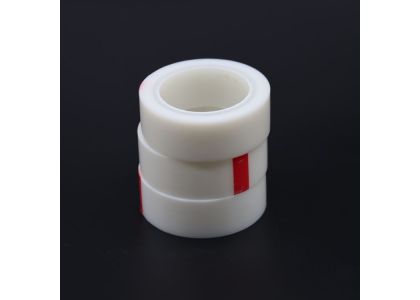
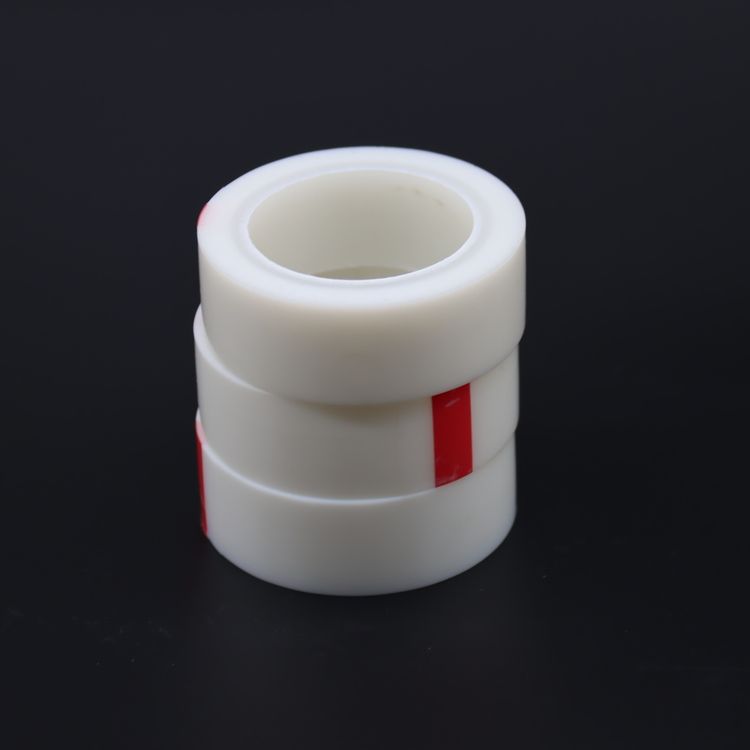
Packaging lines are judged by uptime, yield and sanitation. Small changes to tooling or consumables can deliver outsized savings. One such change is specifying Premium quality Pure PTFE Adhesive Tape on heat-sealing jaws, platen faces, and transfer fixtures. This material’s combination of high-temperature tolerance, low surface energy and robust adhesive options makes it a first choice for food, pharma and industrial packagers. For high-volume operations, procuring through a reliable Heat sealing PTFE tape wholesaler or sourcing Volume PTFE Film tape in planned replenishment cycles reduces cost per meter and ensures consistent batch performance. When you evaluate suppliers, insist on datasheets, thermal analysis and in-line pilot data to make the decision defensible and repeatable.
PTFE film tape is used in several heat-sealing contexts:
Because PTFE resists most adhesives and does not wet with resins or food residues, it significantly reduces the frequency of manual cleaning and the need for solvent-based degreasers. In practice that lowers the frequency of line stops for maintenance and helps maintain hygienic conditions without aggressive cleaning chemistry.
Not all PTFE tapes perform the same. The phrase Premium quality Pure PTFE Adhesive Tape implies attention to several controlled variables:
Choosing a premium grade minimizes surprises: fewer film delaminations, predictable peel forces, and reduced contamination incidents. For regulated sectors, the premium choice also simplifies qualification because the supplier can provide detailed test records and retained-sample evidence.
When you engage a supplier, ask for these items up front:
A credible Heat sealing PTFE tape wholesaler will also support small in-plant trials and provide guidance on storage, shelf life and installation best practices. These practical details reduce qualification time and avoid field failures.
Selecting the right tape involves matching film thickness, adhesive, and procurement strategy:
Engineering should define acceptance thresholds (allowable adhesive transfer after a specified bake, maximum shrinkage, and acceptable wear rate over X cycles) and embed them into the RFQ.
Case Study A — Food pouch line (anonymized, realistic)
Problem: Frequent stuck seals and 20–30 minute line stops three times per shift for manual cleaning.
Action: Replaced generic tape with Premium quality Pure PTFE Adhesive Tape and implemented pre-cut jaw liners.
Result: Line stops for jaw cleaning dropped by 75%; net throughput improved by 9% and weekly cleaning labor hours fell by 60%. Procurement switched to Volume PTFE Film tape supply and negotiated quarterly deliveries with the wholesaler.
Case Study B — Medical pouch sealing (simulated-realistic)
Problem: Residue transfer led to cosmetic defects and occasional seal failures, risking batch rejects.
Action: Trialed three PTFE grades from two suppliers supplied by a Heat sealing PTFE tape wholesaler. Acceptance testing included adhesive-transfer mass and seal strength after 200 cycle runs.
Result: The selected Premium quality Pure PTFE Adhesive Tape passed and reduced cosmetic rejects by 85%; the factory adopted pre-qualified slits reducing changeover time.
Case Study C — Heavy-duty industrial bags (anonymized)
Problem: Abrasion and adhesion at high temperature caused frequent tape tear and unplanned replacement.
Action: Upgraded to thicker skived film with a high-temperature silicone adhesive and ordered as Volume PTFE Film tape for multiple lines.
Result: Tape life increased fourfold; mean time between cutter/jaw maintenance events extended from 2 weeks to 9 weeks.
To keep risks low, require each lot to include:
Document these items in your procurement file. This is how engineering teams demonstrate that material choices were data-driven and auditable.
Define process envelope and list worst-case chemistries and temperatures.
Put an RFQ to 2–3 Heat sealing PTFE tape wholesaler candidates with required acceptance tests.
Order pilot rolls (pre-slitted if possible) and run a 1–4 week live validation collecting KPIs: stops/day, cleaning hours, defect rate.
Approve supplier when pilot KPIs meet targets; negotiate Volume PTFE Film tape pricing and delivery cadence.
Embed lot traceability and retained-sample procedures into the PO.
Train maintenance staff on correct installation and replacement procedures to maximize tape life.