
info@jxgreentape.com
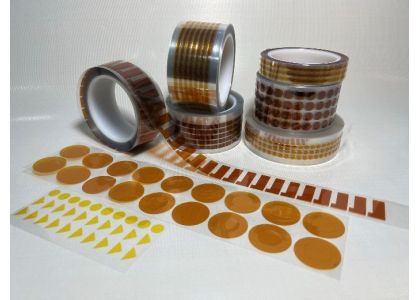
When working on electronic projects such as printed circuit boards (PCBs), choosing the right materials is crucial for ensuring the durability and performance of your product. One of the most commonly used materials in PCB masking and electrical insulation is Kapton Tape. This versatile polyimide film has proven to be essential in various industries, from aerospace to consumer electronics, thanks to its high-temperature resistance, flexibility, and electrical insulating properties. However, selecting the right Kapton Tape thickness is not a one-size-fits-all decision. In this article, we’ll explore how to make an informed decision when choosing the right Kapton Tape thickness for your specific needs.
PCB manufacturing often requires the use of tapes that provide high heat resistance and electrical insulation. Kapton Tape, a high-performance polyimide film, is widely regarded as the ideal solution for these needs. It not only provides insulation but also ensures that components are securely masked during the production and testing phases.
By opting for the right Kapton Tape thickness, you can enhance the protection of sensitive components from heat and electrical shorts, all while maintaining efficiency and reducing the risk of damage. In addition, the tape's chemical resistance, coupled with its excellent dielectric properties, makes it indispensable in industries that demand high-performance materials.
The first step in choosing the right Kapton Tape thickness is understanding the available options. Kapton Tapes typically come in a range of thicknesses, from as thin as 0.025mm to as thick as 0.25mm. Thinner tapes are more flexible and can conform easily to the contours of complex PCBs, while thicker tapes offer enhanced durability and can withstand more extreme conditions.
When deciding on the appropriate thickness, several factors must be considered, including the application temperature, the type of insulation required, and the mechanical strength needed for your project. For instance, a thinner Kapton Tape may be ideal for fine-pitch components where precision and flexibility are key, whereas a thicker tape might be more appropriate for heavy-duty applications that require additional protection from heat or mechanical stress.
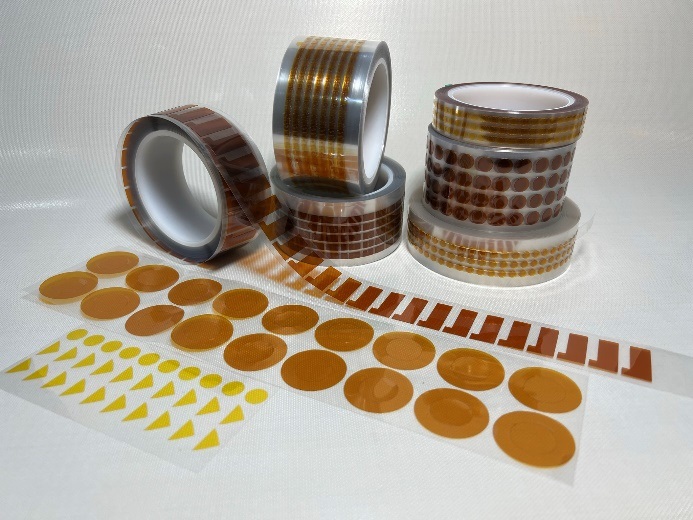
Choosing the right thickness is an essential step in ensuring the effectiveness of Kapton Tape in PCB masking and electrical insulation. Here are a few tips to guide you:
Consider the Application Environment: If your PCB will operate in high-temperature environments or exposed to extreme heat, opting for a thicker Kapton Tape might be necessary to provide the required insulation.
Evaluate the Precision of Your PCB Design: For high-density or fine-pitch designs, thinner Kapton Tapes may offer better conformability without compromising the protection.
Understand the Electrical Insulation Requirements: Kapton Tape thickness is also linked to its dielectric strength. For applications requiring high electrical insulation, a thicker tape may be more suitable.
Mechanical Stress: If your application is subjected to mechanical stress or frequent movement, thicker tapes will offer the robustness needed to withstand wear and tear.
When purchasing Kapton Tape, it is essential to partner with trusted Kapton Tape suppliers and Kapton Tape manufacturers to ensure the quality of the product. Kapton Tape is available from a variety of sources, including online retailers, local suppliers, and direct Kapton Tape distributors.
Some well-known suppliers specialize in offering a wide range of Kapton Tape thicknesses and types. When selecting a supplier, it is important to consider factors such as product variety, pricing, and customer reviews.
For bulk orders or custom specifications, working directly with Kapton Tape manufacturers may be the most cost-effective solution. Many Kapton Tape suppliers also offer low MOQ options, making them an excellent choice for small-scale or specialized projects.
In a recent project, a client in the aerospace industry needed to mask a high-tech PCB that would be subjected to temperatures exceeding 300°C. After evaluating various Kapton Tape thicknesses, the client opted for a Kapton Tape with a thickness of 0.125mm. This choice provided the right balance of flexibility, heat resistance, and electrical insulation.
The selected tape was sourced from a reputable Kapton Tape distributor that offered a wide range of options, ensuring the client could select the perfect thickness for their specific requirements. The result was a highly durable PCB, resistant to both heat and mechanical stress, which performed flawlessly in the demanding environment.
The price of Kapton Tape can vary widely based on factors such as thickness, quality, and volume of purchase. For instance, purchasing Kapton Tape in bulk can significantly reduce the unit cost. Additionally, purchasing from Kapton Tape manufacturers or direct Kapton Tape distributors can offer competitive prices.
It’s also important to consider the supply chain and availability when making a purchase decision. Leading Kapton Tape distributors typically have strong relationships with Polyimide Film China Wholesalers and can offer reliable supply options.
When purchasing Kapton Tape, always ensure that you’re buying from a trusted Kapton Tape supplier. Look for certifications, customer reviews, and references to verify the quality of their products. Many Kapton Tape manufacturers offer comprehensive technical support, which can help you make the best choice for your specific needs.
Additionally, Polyimide Film China Wholesalers have become increasingly popular due to their ability to offer competitive prices and large supply volumes. It's important to verify the reputation of these suppliers, especially when buying in bulk or for industrial-grade applications.
Choosing the right Kapton Tape thickness is a crucial step in ensuring the success of your PCB projects. By understanding the various factors at play, such as heat resistance, electrical insulation, and mechanical strength, you can select the ideal tape for your needs. Whether you’re working with a Kapton Tape distributor, a Kapton Tape manufacturer, or sourcing from Polyimide Film China Wholesalers, make sure you choose a trusted supplier to guarantee the quality of your materials.