
info@jxgreentape.com
We manufacture and supply industrial adhesive tapes for packaging reinforcement, electrical insulation, high-temperature processing, surface protection and wire harness assembly. Our OEM product range includes filament strapping tape, filament-reinforced electrical tape, glass cloth tape, PET silicone adhesive tape, polyimide tape, PTFE adhesive tape and wire harness tape.
Different applications require different backing materials, adhesive systems and converting specifications. Instead of selecting a tape by product name alone, buyers can provide the intended application, operating conditions, required dimensions, target performance and estimated order quantity. We will review these requirements and recommend a suitable product construction for sample evaluation.
OEM and converting options may include adhesive grade selection, custom tape widths, roll lengths, core sizes, labels and carton configurations. Available options depend on the tape construction, converting tolerance and order quantity. Critical technical properties and inspection requirements should be confirmed in an agreed specification before bulk production.
Single-sided mono-directional, heavy-duty and bi-directional filament tapes are available for carton reinforcement, industrial bundling and transport packaging. The range also includes double-sided fiberglass-reinforced tapes with glassine or PET liners for foam lamination, sealing profiles and non-structural bonding. Selection depends on load direction, adhesive system, liner handling, roll format and application process.
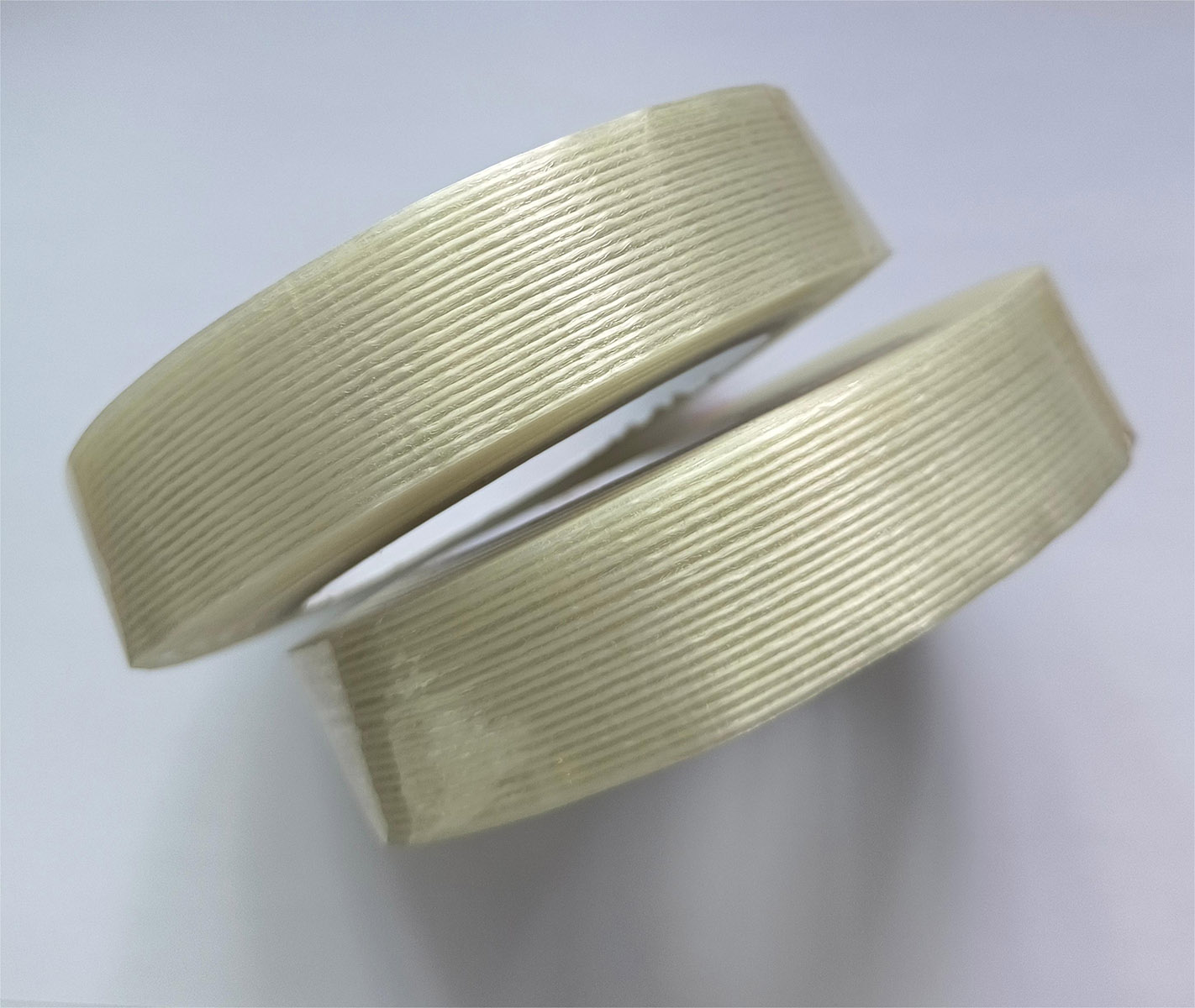
Reinforced electrical tapes designed for coil holding, lead anchoring, transformer construction and other applications requiring a combination of mechanical strength and electrical insulation support. Product selection should consider temperature, voltage, adhesive compatibility and the insulation system used in the finished assembly.
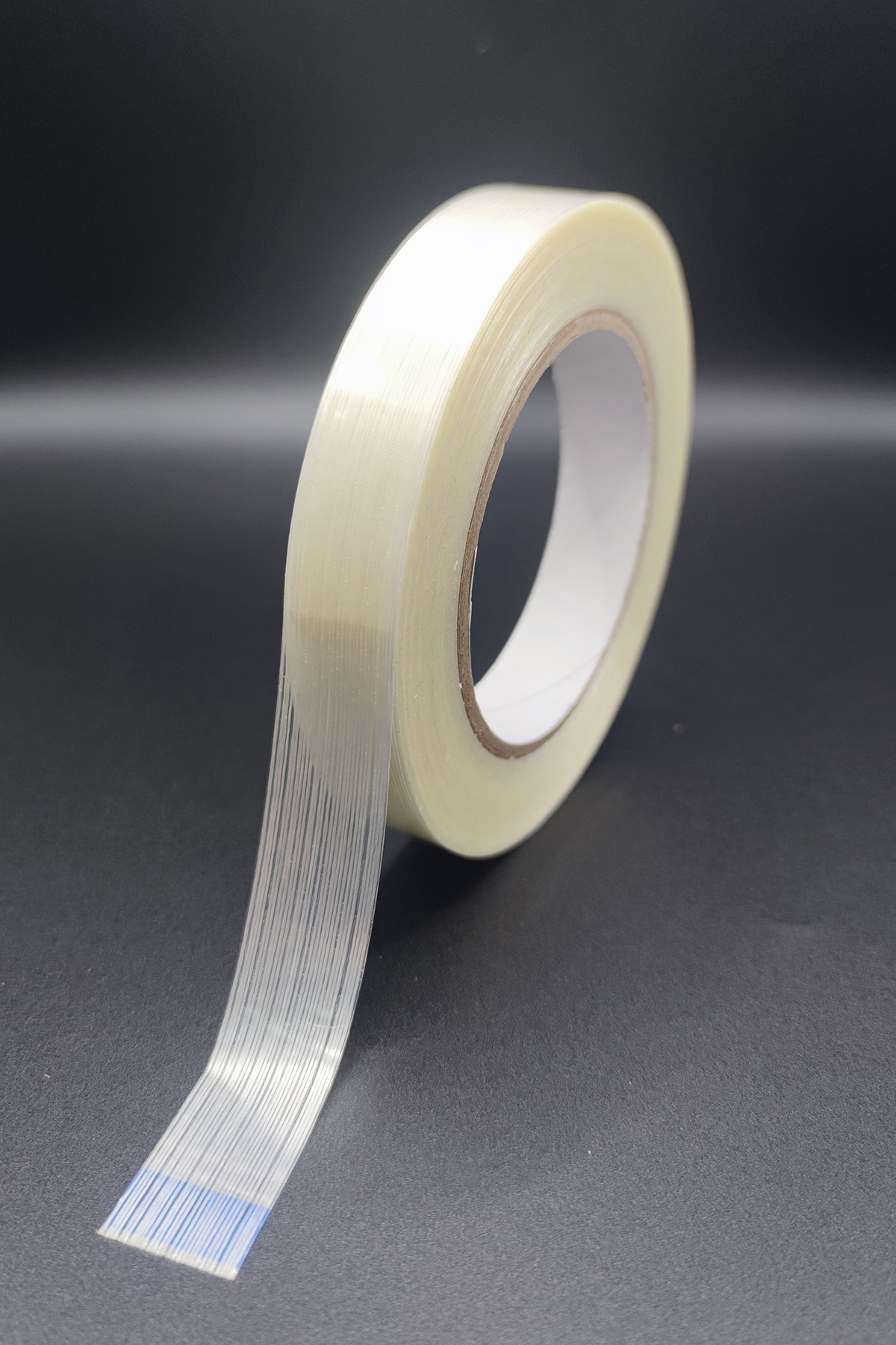
Our glass cloth electrical tape range includes two constructions: PET film laminated to woven fiberglass cloth for high-tensile insulation holding, and woven glass cloth tapes with rubber, acrylic or silicone adhesive for heat-resistant wrapping and mechanical protection. Selection should consider the required dielectric barrier, tensile load, temperature, wrapping geometry and contact with varnish, resin or transformer oil.
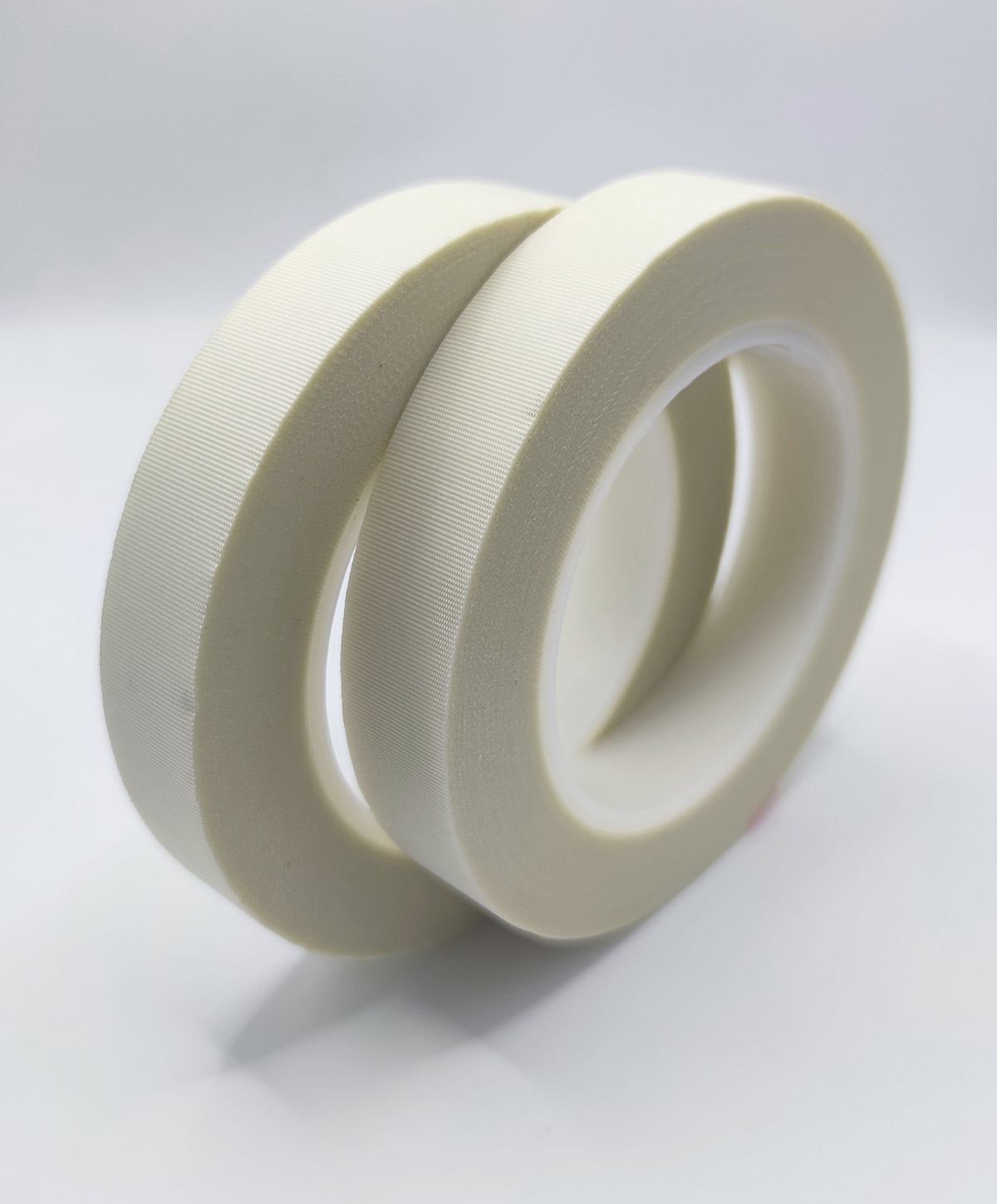
Polyester-backed silicone adhesive tapes for industrial processes requiring heat resistance, dimensional stability and controlled adhesion. Buyers should verify the actual heat cycle, surface material and residue requirements before approving a grade for production.
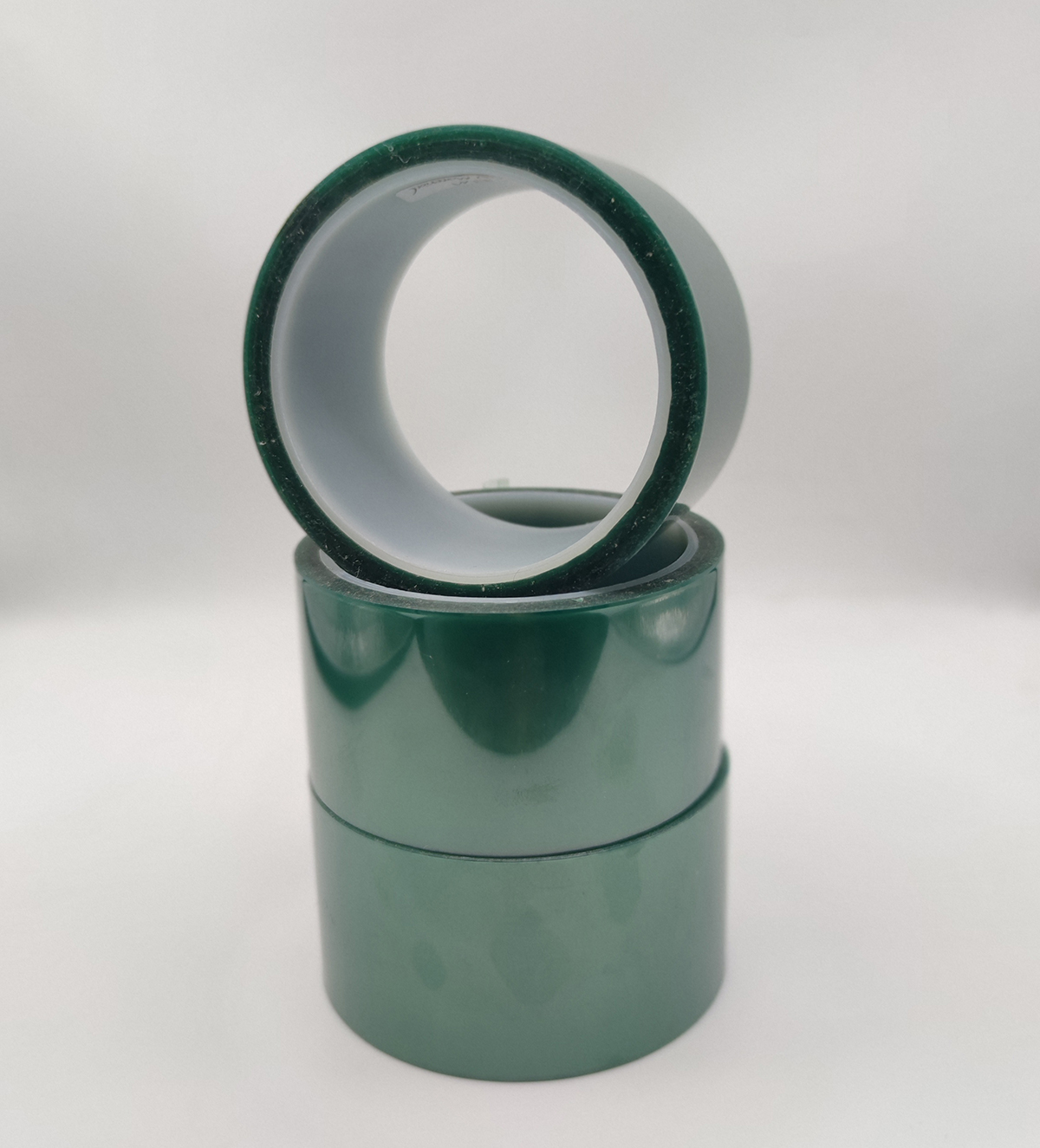
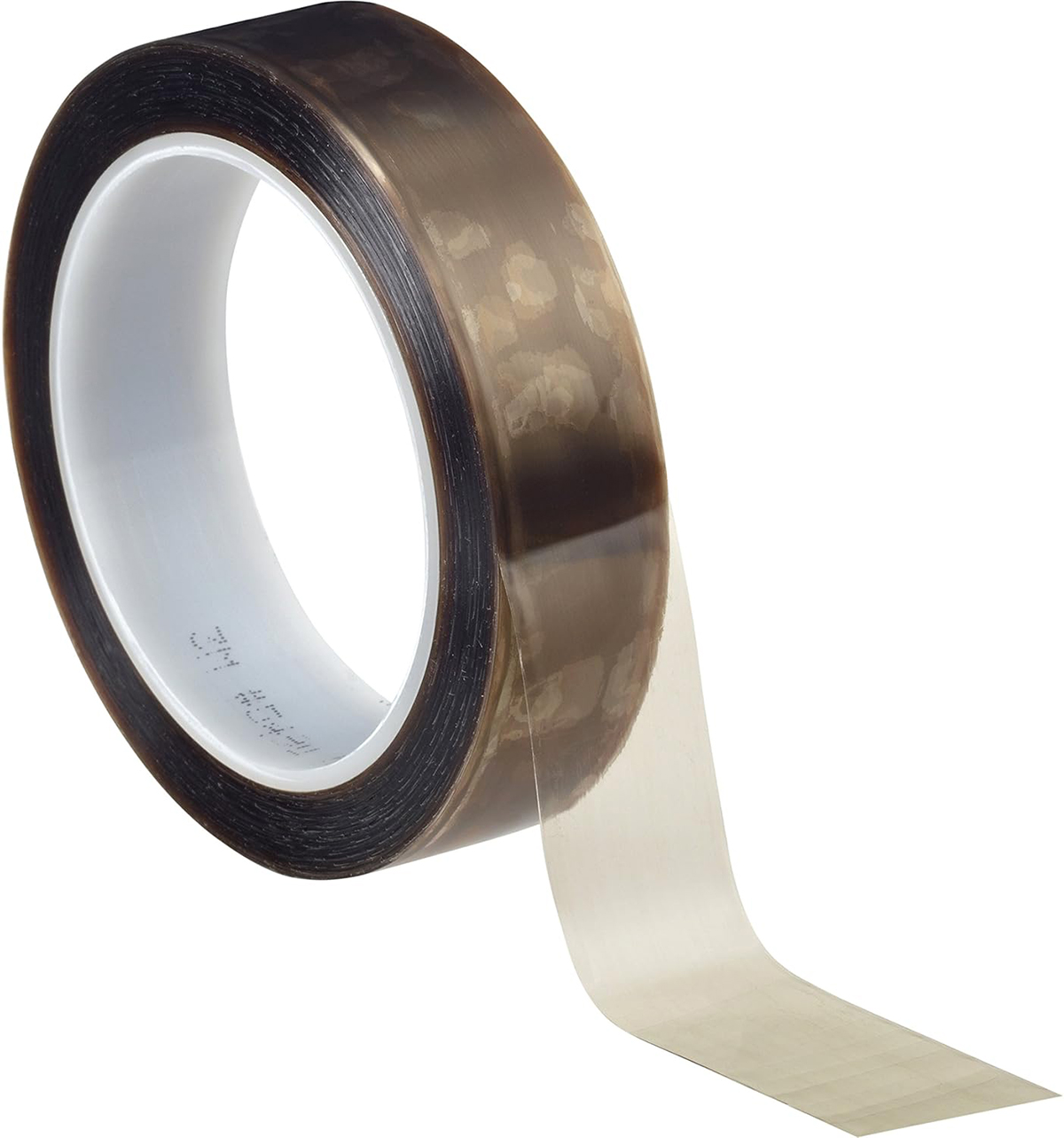
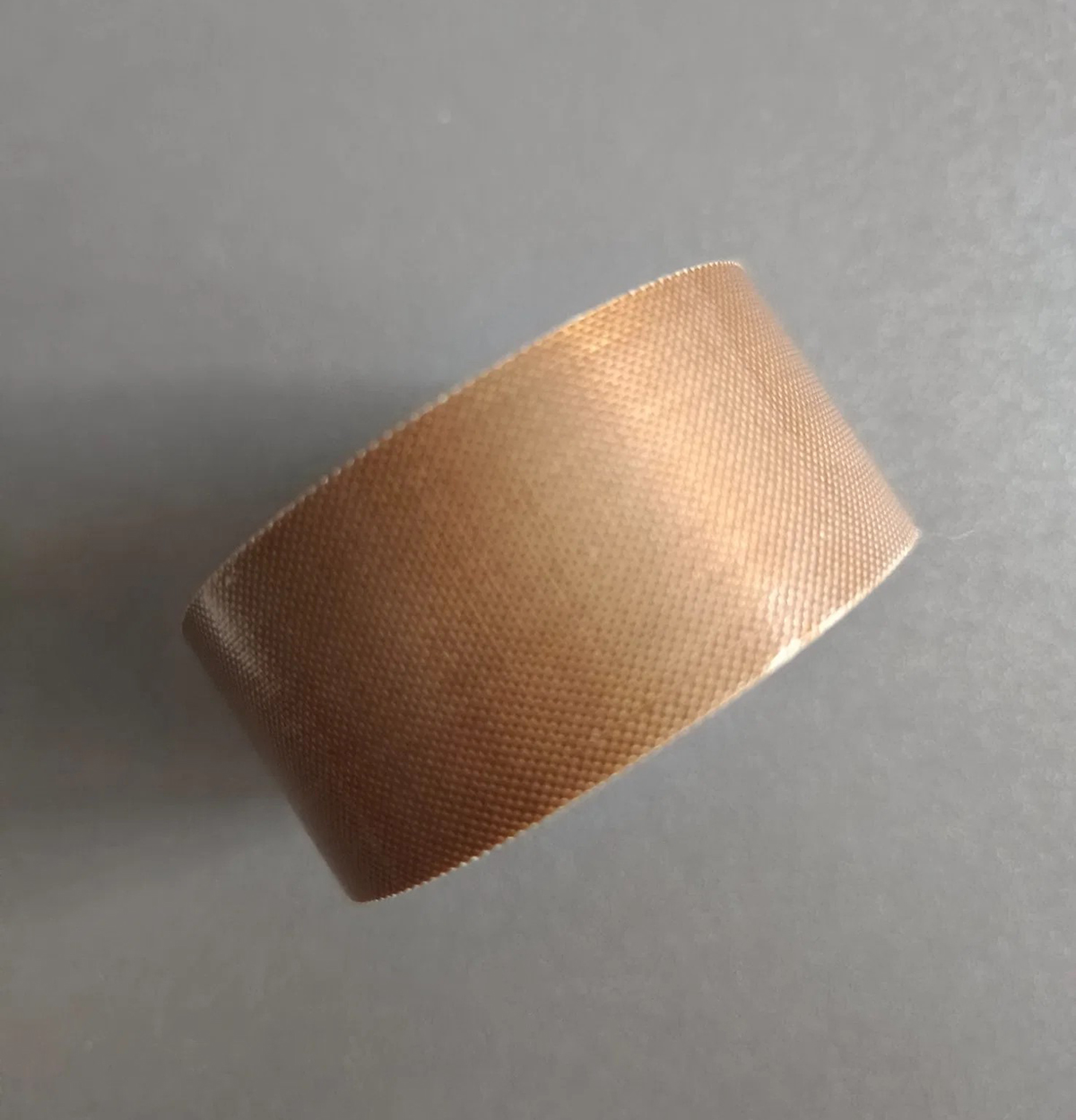
Our PTFE adhesive tape range includes smooth, unsupported PTFE film tape for rollers, guide rails and low-profile release surfaces, plus PTFE-coated glass cloth tape for heat-sealing bars, jaws and higher-wear machine surfaces. Selection should consider pressure, abrasion, required surface finish, equipment geometry, operating temperature, thickness and replacement interval.
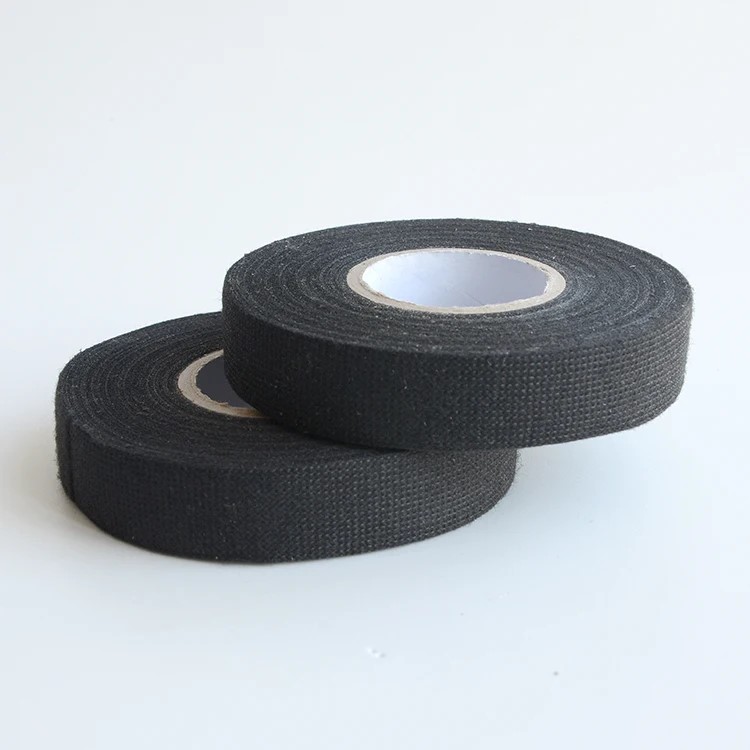
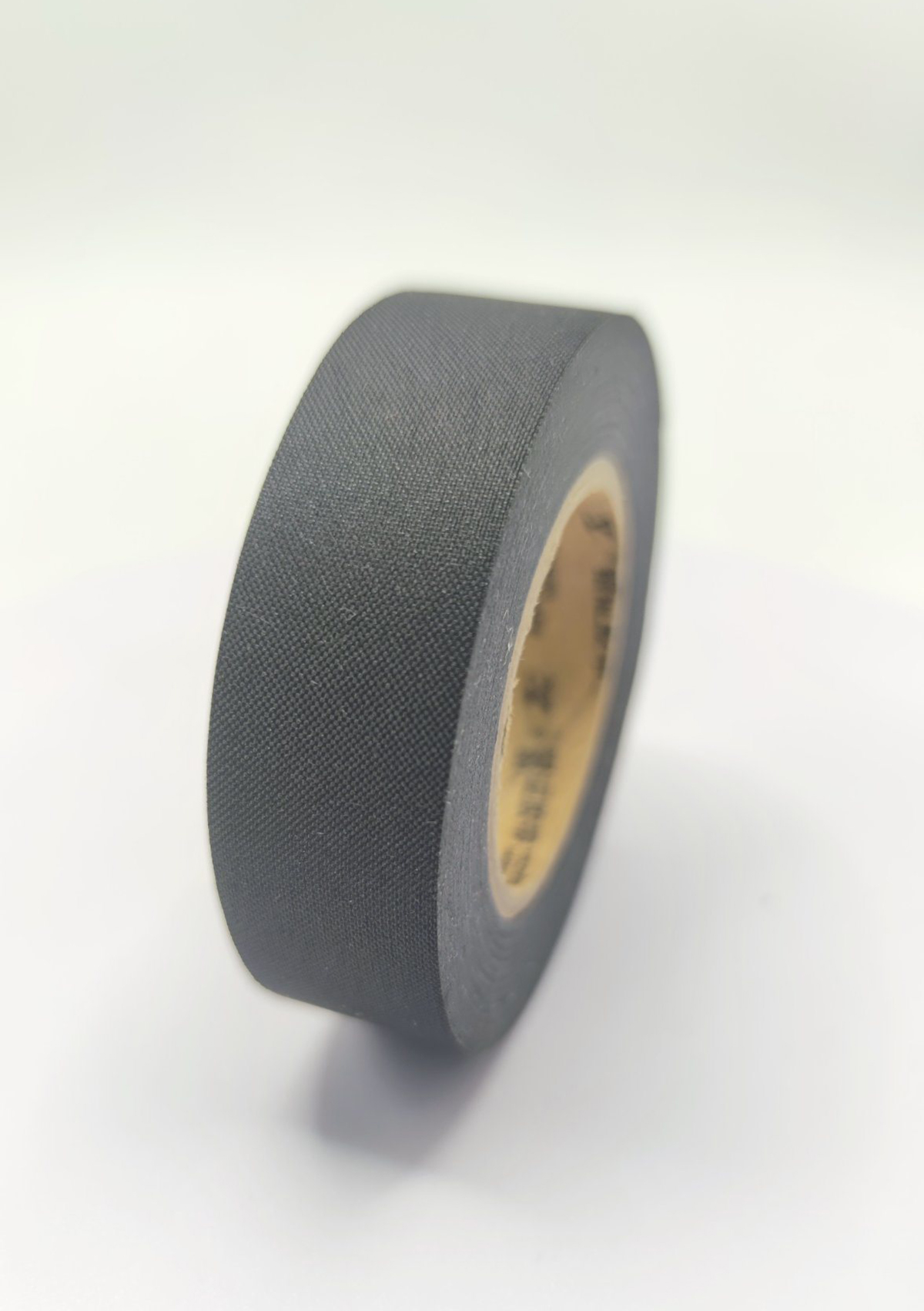
Our wire harness tape range includes flexible PET fleece tape for cable bundling and noise-damping support, together with woven PET fabric grades for general wrapping and higher abrasion or tensile requirements. Selection should consider the harness location, cable-jacket material, temperature exposure, required abrasion and noise performance, wrapping method and manual or automated installation.
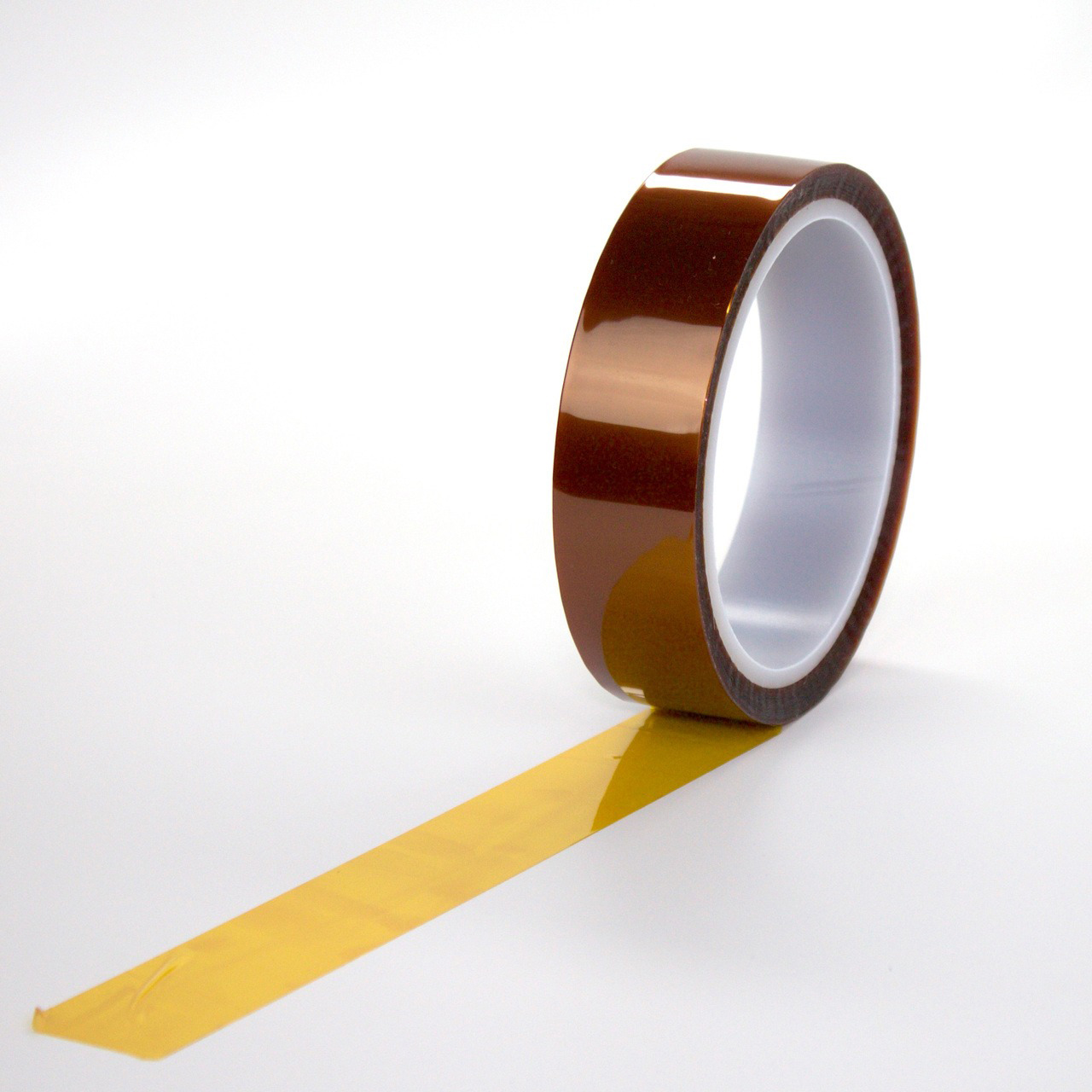
Polyimide film tapes with silicone, acrylic, ESD, matte black and double-sided constructions are available for PCB masking, electrical insulation and other heat-exposed industrial processes. Selection should consider the adhesive system, temperature profile, substrate, static-control requirements and whether the tape will be removed or remain in the assembly. Custom-width slitting, roll-length options and export packaging are available according to the selected grade and order quantity.
A reliable OEM tape project begins with a clear application requirement. Useful information includes:
Existing product numbers, technical data sheets or physical samples can also be provided for comparison. Any proposed alternative should be evaluated using comparable test methods and validated in the buyer’s actual process.
Provide the application conditions, target properties, tape dimensions, packaging requirements and estimated quantity.
Review the recommended construction and test a sample on the actual substrate and under the intended production or operating conditions.
After sample approval, confirm the product construction, dimensions, tolerances, packaging and inspection requirements before bulk production.
Explore the product categories below to review application-specific manufacturing options and technical selection guidance.