
info@jxgreentape.com
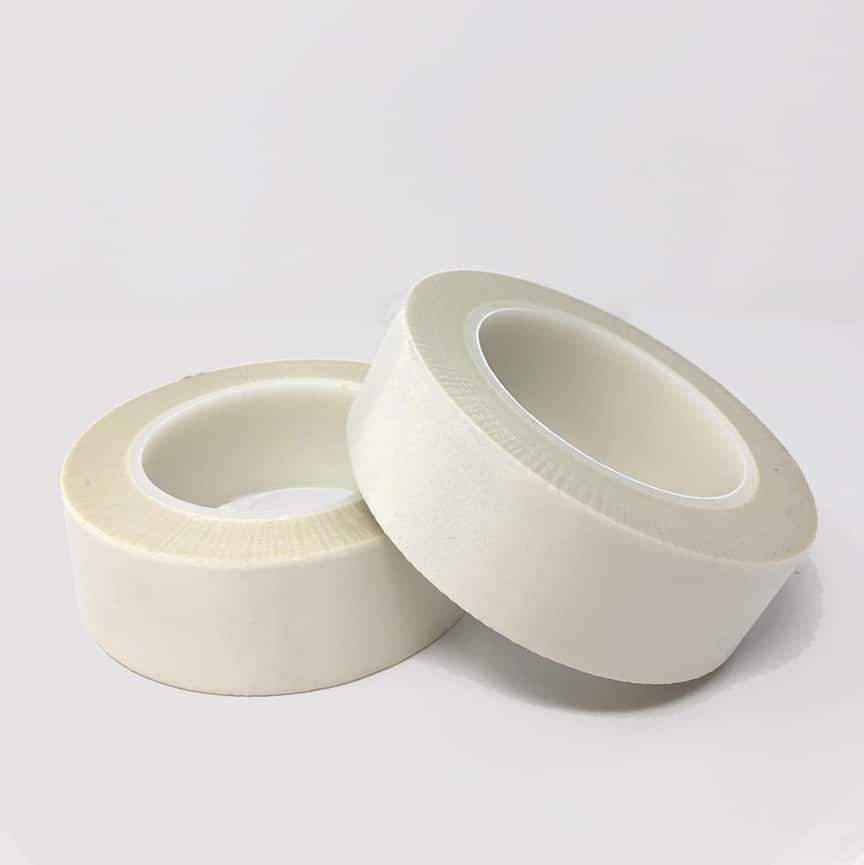
In large-scale industrial operations, such as appliance production, aerospace engineering, and high-performance electronics, the selection and sourcing of materials directly influence operational efficiency and profitability. Glass Cloth Adhesive Tape, with its renowned thermal endurance and mechanical durability, remains an indispensable component in these sectors. Opting for a bulk purchase glass cloth tape strategy offers multifaceted advantages for procurement teams and project managers.
Firstly, bulk purchases of glass cloth tape from a verified glass cloth tape supplier often lead to notable cost savings due to volume-based discounts. These savings can significantly reduce the cost per unit roll, especially when sourcing OEM bulk glass cloth tape for consistent use in mass production environments. Additionally, bulk buying ensures inventory continuity, eliminating costly delays caused by out-of-stock situations or unexpected demand surges.
Furthermore, purchasing in large volumes allows businesses to negotiate customized solutions with the supplier. This can include adjustments in adhesive properties, tape dimensions, packaging, and even branding, aligning the product closely with application-specific requirements.
Accurate forecasting of glass cloth adhesive tape requirements is critical to maintaining project flow without incurring excess inventory costs. Here is a structured approach to get reliable estimates:
Define Application Scope: Identify each use case within your project. For example, thermal wrapping in circuit boards requires different tape volumes compared to cable bundling in an HVAC system.
Specify Tape Grade and Type: Confirm if the project needs standard glass cloth tape or specialized variants such as OEM bulk glass cloth tape with enhanced insulation or silicone adhesive coatings.
Quantify Coverage Needs: Calculate the total surface area or cable length to be insulated. Use this to determine how many linear meters or rolls are necessary based on the tape roll's dimensions.
Factor in Waste and Redundancy: Include a contingency buffer (typically 10–15%) for waste, errors, and future maintenance or rework.
For instance, insulating 5,000 meters of cabling with 1-inch-wide tape (each roll containing 50 meters) would require approximately 110 rolls when including a 10% safety margin.
The procurement cost of bulk purchase glass cloth tape can vary significantly across vendors. To ensure a sound financial decision, companies must conduct a comprehensive cost analysis that goes beyond face-value pricing.
Key comparison factors include:
Unit Price: Base cost per roll or per meter from each glass cloth tape supplier.
Volume-Based Discounts: Bulk pricing tiers (e.g., 5% off for 1,000+ units, 10% off for 3,000+).
Shipping and Handling: Delivery costs based on weight, region, and urgency.
Lead Times: Timeliness of fulfillment, especially when production is time-sensitive.
Customization Fees: Additional charges for tailored specs in OEM bulk glass cloth tape orders.
An example comparison: Supplier A offers tape at $8/roll with a 5% discount on 2,000+ rolls and 7-day delivery. Supplier B offers $7.50/roll but with a 20-day delivery window and a $200 shipping surcharge. Depending on the urgency and volume, Supplier A may offer more long-term value.
A global appliance manufacturer faced rising costs and inventory instability when sourcing glass cloth insulation tape in small batches. They transitioned to working with a trusted glass cloth tape supplier capable of delivering OEM bulk glass cloth tape with customized adhesive strength and dimensions.
The outcome:
A 20% reduction in material costs over one fiscal year
99% fulfillment rate across five international assembly plants
Streamlined logistics due to predictable supply chain cycles
Enhanced product reliability by using a consistent, certified tape formulation
The key to their success lay in early collaboration with the supplier to match product specs with use-case conditions, as well as a structured purchasing and delivery calendar aligned with production goals.
Whether you are a multinational manufacturer or an expanding OEM, adopting a strategic approach to sourcing glass cloth adhesive tape in volume can unlock significant economic and operational benefits. Start with an accurate estimation model tailored to your project’s scope, then vet glass cloth tape suppliers based on their pricing models, delivery reliability, and capacity to offer OEM bulk glass cloth tape options.
By thinking long-term and establishing strong supplier relationships, you position your business to reduce costs, increase production continuity, and ensure material quality. Bulk procurement is not just about buying more—it’s about buying smarter.