
info@jxgreentape.com
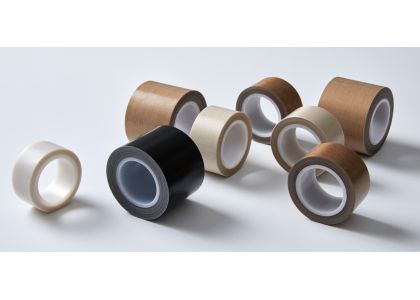
For food production lines, conveyor roller performance is critical to operational efficiency. PTFE coated glass cloth tape has emerged as an superior liner solution, combining the non-stick properties of polytetrafluoroethylene with the mechanical strength of woven glass cloth. This specialized material delivers low-friction performance that prevents food particles and packaging materials from adhering to conveyor surfaces. The premium quality Teflon Glass Cloth Tape withstands extreme temperatures from -73°C to +260°C , making it suitable for both high-temperature processing and freezing applications. As leading PTFE glass cloth tape Supplier and PTFE coated glass cloth tape Factory options continue to expand, food processors are increasingly turning to this versatile material to solve common production challenges. Whether you need to buy PTFE Glass Cloth Tape for new equipment or retrofitting existing systems, understanding its properties and proper application ensures optimal results for your food line operations.
PTFE coated glass cloth tape represents a sophisticated engineering material designed to address multiple challenges in industrial settings, particularly in food processing environments. The tape consists of a woven glass cloth backing impregnated with PTFE (polytetrafluoroethylene) , creating a composite material that leverages the strengths of both components. The glass cloth provides exceptional tensile strength and dimensional stability, while the PTFE coating delivers unmatched non-stick characteristics and chemical resistance.
The premium quality PTFE Glass Cloth Tape offers exceptional temperature resilience, performing reliably in environments ranging from -100°F/-73°C to 500°F/260°C . This wide operational temperature range makes it equally suitable for hot filling operations and freezing applications. The material maintains its structural integrity and performance characteristics across this entire spectrum, unlike many alternative materials that become brittle in cold temperatures or degrade under heat stress.
The mechanical properties of PTFE Fiberglass Tape include remarkable resistance to tears, punctures, and abrasion . The woven glass cloth reinforcement provides greater tensile strength compared to standard PTFE films, significantly extending service life in high-wear applications like conveyor rollers. This enhanced durability translates to reduced downtime and maintenance costs, as the tape withstands the constant mechanical stress of conveyor operations without failing prematurely.
Chemically, PTFE is virtually inert, making the tape resistant to most chemicals encountered in food processing environments . This chemical resistance prevents degradation from cleaning agents, food acids, oils, and other substances that might compromise the tape's performance or create contamination risks. The non-stick surface also inhibits bacterial growth, contributing to improved food safety outcomes.
The non-stick properties of Teflon Fiberglass Cloth Tape create an exceptionally low coefficient of friction, typically ranging from 0.05 to 0.20 depending on the specific formulation and surface finish. This characteristic prevents food products from sticking to conveyor surfaces, reducing product loss and minimizing line stoppages for cleaning. The slick surface also contributes to lower energy consumption, as conveyor motors require less power to overcome friction.
Electrical properties represent another advantage, with PTFE coated glass cloth providing excellent electrical insulation and dielectric properties . This makes the tape suitable for applications where electrical isolation is necessary, adding to its versatility in complex food processing environments where electrical components and moisture may be present alongside conveyor systems.
In food processing and packaging operations, PTFE coated glass cloth tape delivers specific advantages that directly address the unique challenges of these environments. The material's compliance with food contact regulations makes it particularly valuable for direct and indirect food contact applications, providing peace of mind for food safety managers and quality control personnel.
The non-stick characteristics of premium quality Teflon Glass Cloth Tape prevent common food materials from adhering to conveyor rollers. Sticky products like dough, candy, cheese, and processed meats readily release from the PTFE surface, reducing product loss and minimizing accumulation on conveyor components. This characteristic maintains consistent product flow and reduces the frequency of cleaning cycles, directly boosting production efficiency.
Hygiene and cleanability represent another significant advantage. The non-porous nature of the PTFE surface prevents bacterial penetration and enables thorough cleaning with mild detergents. Unlike some porous conveyor materials that can harbor pathogens in surface imperfections, high quality PTFE Fiberglass Tape provides a smooth, impermeable barrier that supports optimal sanitation protocols. The tape withstands repeated cleaning cycles without degradation, maintaining its performance over extended periods.
The temperature tolerance of PTFE glass cloth tape proves particularly valuable in food lines subject to thermal processing. In baking operations, for instance, conveyor rollers lined with this material withstand prolonged exposure to high temperatures without degrading . Similarly, in freezing tunnels, the tape remains flexible and functional at temperatures as low as -73°C , where conventional materials might become brittle and fail.
Durability in harsh cleaning environments further enhances the value proposition. Food processing facilities typically employ aggressive cleaning regimens, often using chemical sanitizers and high-pressure water systems. PTFE Coated Fiberglass Cloth Tape resists degradation from these cleaning methods, unlike some polymer materials that might crack, swell, or lose their surface properties when exposed to cleaning chemicals or steam.
The wear resistance of reinforced PTFE glass cloth tape translates to extended service intervals and reduced maintenance costs. The woven glass cloth backing provides exceptional resistance to abrasion from continuous contact with food products, packaging materials, and conveyor components. This durability is particularly valuable in high-volume processing operations where conveyor uptime is critical to profitability.
Versatility across different food processing applications makes this material an excellent investment. The same PTFE coated glass cloth tape performs effectively in diverse applications including baking, freezing, packaging, and material handling. This versatility simplifies inventory management for maintenance departments and ensures consistent performance across different sections of processing lines.
Choosing the appropriate PTFE coated glass cloth tape requires careful consideration of several factors to ensure optimal performance in your specific food line application. The first decision point involves adhesive selection, with most applications utilizing high-temperature silicone adhesive systems that maintain their bonding strength across the tape's entire operational temperature range.
Thickness represents another critical consideration. PTFE glass cloth tape is available in various thicknesses, typically ranging from 0.076mm (3 thou) to 0.25mm (10 thou) , with specialized versions up to 0.35mm available for particularly demanding applications. Thicker tapes generally offer enhanced durability and abrasion resistance but may reduce flexibility in applications with small-diameter rollers.
The premium quality PTFE Glass Cloth Tape features a premium woven glass cloth backing that provides greater tensile strength and resistance to tears and punctures compared to standard PTFE film backed tapes . This reinforcement is particularly valuable in high-stress applications where mechanical loads might cause unreinforced materials to fail.
For operations requiring customized PTFE Fiberglass Tape, many manufacturers offer tailored solutions including specific widths, thicknesses, and adhesive formulations. These OEM bulk PTFE Glass Cloth Tape options enable perfect integration with existing equipment, particularly when retrofitting older conveyor systems with non-standard dimensions.
Surface characteristics should align with your specific product handling requirements. While standard PTFE coated glass cloth tape provides an excellent balance of release properties and durability, specialized formulations with enhanced non-stick characteristics or anti-static properties may be warranted for particularly challenging applications like handling very sticky products or in environments where static electricity could pose problems.
When evaluating Teflon Glass Cloth Tape Manufacturer options, consider their experience with food industry applications and their understanding of relevant regulations. Reputable PTFE Fiberglass Tape china manufacturer operations will provide documentation confirming compliance with food contact regulations and other relevant standards.
The following table summarizes key selection criteria for PTFE coated glass cloth tape in conveyor roller applications:
Table: PTFE Glass Cloth Tape Selection Guidelines
|
Application Factor |
Considerations |
Recommended Tape Properties |
|
Temperature Range |
Maximum and minimum operational temperatures |
Standard (-73°C to 260°C) or specialized formulations for extreme conditions |
|
Product Characteristics |
Stickiness, abrasiveness, moisture content |
Standard or enhanced non-stick surface; appropriate thickness for wear resistance |
|
Sanitation Requirements |
Cleaning methods, chemical exposure |
Chemical-resistant formulation; appropriate adhesive for wet environments |
|
Mechanical Load |
Conveyor speed, product weight, tension |
Reinforced glass cloth backing; appropriate tensile strength |
|
Regulatory Compliance |
Food contact, safety standards |
FDA-compliant materials; documentation from PTFE Glass Cloth Tape Supplier |
Technical support from your PTFE coated glass cloth tape Factory or supplier can be invaluable in selecting the optimal product for your specific application. Reputable suppliers typically offer application engineering support to help match tape characteristics to operational requirements, ensuring satisfactory performance and longevity.
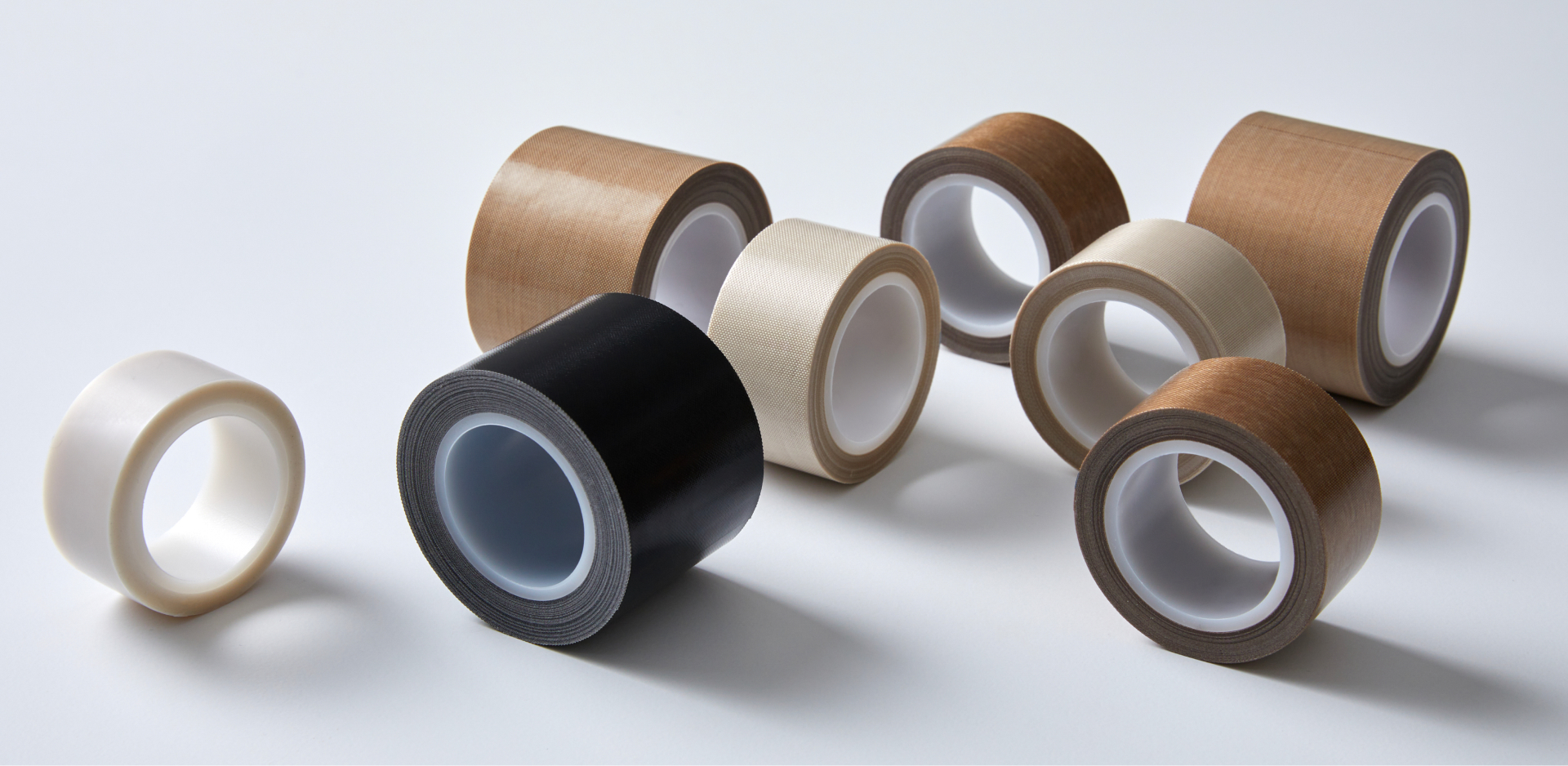
Proper installation of PTFE coated glass cloth tape is crucial for achieving optimal performance and service life. The installation process begins with thorough surface preparation. Conveyor rollers must be clean, dry, and free of any contaminants that might compromise adhesive bonding. Residual oils, dust, or previous adhesive materials should be removed using appropriate cleaning solvents followed by complete drying.
Application technique varies depending on whether the tape features a pressure-sensitive adhesive backing. For adhesive-backed versions, precise alignment during initial contact prevents positioning errors, as repositioning after full contact can compromise adhesive effectiveness. Using a J-roller or similar tool to apply firm, even pressure across the entire surface ensures proper adhesion and eliminates air pockets that might lead to premature failure.
For applications involving OEM bulk Teflon Glass Cloth Tape on new equipment, manufacturers often apply the tape using specialized equipment that ensures precise tension and alignment. This factory application typically delivers superior results compared to field installation, particularly for complex roller profiles or challenging geometries.
Maintenance of PTFE glass cloth tape on conveyor rollers focuses primarily on regular cleaning and inspection. The non-stick surface simplifies cleaning, with most food residues wiping away easily with mild detergents and soft cloths. Avoid abrasive cleaning tools or harsh chemicals that might damage the PTFE surface or compromise its non-stick properties.
Routine inspection should focus on identifying signs of wear, particularly along edges and seams where lifting might occur. Early detection of minor damage allows for spot repairs before more extensive failure develops. For tapes with silicone adhesive, the bond typically remains stable through temperature fluctuations, but mechanical impacts or accumulated stress might eventually compromise adhesion at vulnerable points.
Replacement timing depends on operational intensity and environmental factors. Premium quality PTFE Glass Cloth Tape typically offers extended service life compared to standard versions, but all tapes eventually require replacement. Monitoring performance indicators like increased product sticking or visible surface degradation helps determine the optimal replacement schedule.
When replacement becomes necessary, removal should be performed carefully to avoid damaging roller surfaces. Heating the tape slightly can soften the adhesive, facilitating cleaner removal. Any residual adhesive should be completely removed before applying new tape to ensure proper bonding and performance.
Inventory management of replacement PTFE coated glass cloth tape ensures minimal downtime when maintenance is required. Establishing relationships with PTFE Glass Cloth Tape Wholesale suppliers or maintaining an appropriate stock of volume PTFE Coated Glass Cloth Tape based on consumption patterns prevents production interruptions when replacements are needed.
The practical implementation of PTFE coated glass cloth tape in food processing environments demonstrates its versatility and effectiveness across diverse applications. The following case examples illustrate how this material solves real-world challenges in food production and packaging operations.
In commercial baking operations, conveyor systems transporting raw dough through proofer chambers and baking ovens frequently encounter sticking issues. A mid-sized bakery specializing in artisan breads implemented premium quality Teflon Glass Cloth Tape on their proofing conveyor rollers, eliminating dough sticking that previously caused regular production interruptions. The tape withstood the humid proofer environment and transferred seamlessly into the high-temperature baking zone, demonstrating the material's temperature resilience. The bakery reported a 35% reduction in dough loss and significantly decreased cleaning downtime after implementing the PTFE tape solution.
Frozen food processing presents different challenges, with moisture and extreme cold compromising many conveyor materials. A vegetable processing facility installing new IQF (Individual Quick Freezing) tunnels selected customized PTFE Saturated Glass Cloth Tape for their spiral conveyor systems. The tape performed effectively at -40°C, remaining flexible where conventional materials would have become brittle. The non-stick surface prevented frozen vegetables from adhering to rollers, and the low friction coefficient reduced motor load by approximately 15% compared to their previous setup, d