
info@jxgreentape.com
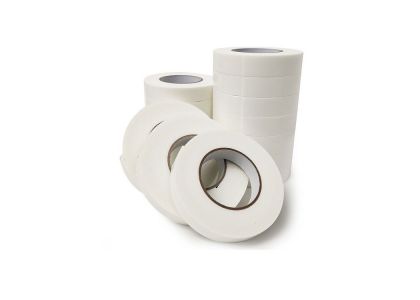
In electronics manufacturing and product engineering environments where performance, cost control and supply consistency intersect, buyers increasingly turn to factory direct glass cloth tape and evaluate options such as glass cloth electrical tape, offerings from a trusted glass cloth tape factory, and comparative lists for the best glass cloth electrical tape—often alongside requests for customized glass cloth electrical tape. Sourcing factory-direct reduces intermediaries and helps engineers lock down consistent lot numbers for validation runs; selecting the correct construction (weave count, silicone formulation, adhesive carrier) determines whether the tape performs as a thermal barrier, an EMI spacer, or a long-term harness wrap in fielded products.
Wholesale Price of Glass Cloth Silicone Tape: Key Factors to Consider
Wholesale pricing for high-performance glass cloth products is not solely a commodity number — it reflects raw glass-fiber quality, silicone resin grade, adhesive system, finishing processes (coating, slitting, corona/primer treatments) and the supplier’s quality management. A reputable glass cloth tape factory will factor in:
Buying at scale reduces unit cost, but the true saving comes from fewer qualification cycles and less rework. For long production runs, negotiating price bands tied to forecasted volumes and lead-time guarantees with a glass cloth tape factory will often reduce the total cost of ownership more than chasing the lowest per-roll price from unknown sources.
Factory Direct Glass Cloth Tape: Advantages for Electronics Insulation
There are practical advantages to factory-direct procurement beyond price. When you work with a factory direct glass cloth tape supplier you typically get:
For designers of PCBs, power modules and motor controllers, dealing factory-direct with glass cloth electrical tape manufacturers means you can obtain consistent dielectric properties and heat-age reports needed for compliance and reliability engineering. It also allows early-stage collaboration to produce slitted widths or spooled lengths that fit automated assembly lines, reducing operator handling and variance.
Custom Glass Cloth Insulation Tape for Specialized Applications
Not every design fits a standard roll. When thermal gradients, EMI zones, or unusual assembly geometries are involved, customized glass cloth electrical tape becomes essential. Custom options include:
Engage a glass cloth tape factory early in the design cycle. Provide a service profile (max continuous temperature, expected spike temperature, chemical exposures, mechanical abrasion cycles, and electrical field strengths). A competent factory will return a prototype run and supporting test reports (peel/shear, dielectric breakdown, thermal aging) so engineering can validate before committing to a full production order.
Glass Cloth Tape for EMI Shielding: Ensuring Reliability in Electronics
While glass cloth itself is an insulating substrate, layered constructions and integrated conductive overlayers or conductive adhesives make it a valuable component of EMI control strategies. In the context of EMI shielding:
glass cloth electrical tape can act as a stable dielectric spacer between shielding layers, maintaining consistent standoff distances and preventing contact shorts.
Adhesive choices matter: low-carbon, low-contamination silicones preserve signal integrity and avoid conductive migration that could compromise high-frequency circuits.
In multi-layer shielding assemblies, factory capabilities to apply conductive foils or metalized coatings to glass cloth allow a balance between thermal resistance and EMI performance.
Design teams should request frequency-domain test data (insertion loss, shielding effectiveness) for the full tape assembly rather than relying only on substrate specs. This is particularly important where small changes in dielectric thickness change impedance and coupling at MHz–GHz frequencies.
How Glass Cloth Adhesive Tape Enhances Thermal Insulation in Electronics
Thermal management in electronics is rarely a single-solution problem. Glass cloth electrical tape contributes by providing:
A stable, low-thermal-conductivity layer that resists softening at high temperatures.
Mechanical protection for thermally stressed wires and cables, preventing chafing and localized hotspots.
A substrate that supports thin, thermally conductive interlayers when necessary (for example, a glass-cloth carrier laminated to a thermal pad).
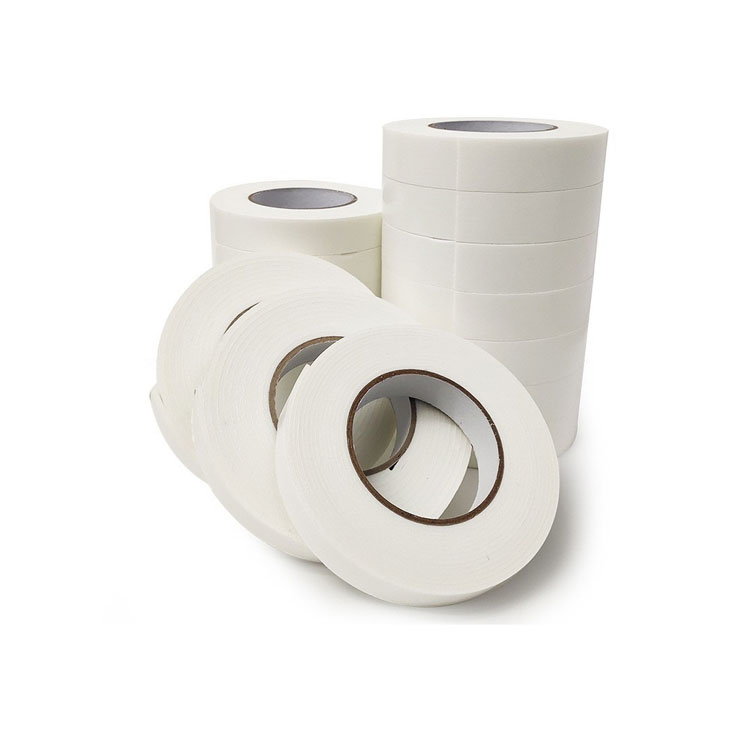
In power electronics, where junction temperatures must be tightly managed, using the right tape construction reduces the risk of adhesive flow or creep under sustained load, maintaining insulation gaps and preventing shorts. When combined with thermal simulation and in-situ temperature logging during validation runs, best glass cloth electrical tape options are identifiable by predictable performance under thermal cycling.
Choosing the Right Glass Cloth Tape Distributor
Selecting a distributor is more than price comparison; it’s a risk-management decision. A qualified distributor will:
Maintain documented supply chains and be willing to show production audit evidence for the glass cloth tape factory they represent.
Offer sample programs and small prototype runs of customized glass cloth electrical tape to support design validation.
Provide technical support and application guidance, including recommended overlaps, application tension and storage conditions.
Request the following from any prospective distributor: lot traceability, material data sheets, accelerated-aging results, and references from customers in similar applications. For regulated markets, include contractual clauses requiring notification of formulation changes and first-article approvals for new lots.
Short Cases (realistic / simulated)
Case 1 — Power Inverter Line (simulated): A manufacturer of industrial inverters switched to a factory direct glass cloth tape supplier after repeated field returns due to adhesive creep in high-load cabinets. After running a short prototype, the new glass cloth electrical tape maintained insulation gaps at 120°C continuous operation and reduced returns by 28% in the next quarter.
Case 2 — Medical Device Maker (simulated): A medical electronics OEM needed die-cut insulation rings with strict cleanliness requirements. They contracted a glass cloth tape factory for a customized glass cloth electrical tape run with clean-room slitting and received MDS and contamination logs; the first-article passed sterilization tests and shortened regulatory acceptance time.
Case 3 — Consumer Speaker OEM (realistic-style): A consumer audio brand ordered volume rolls of best glass cloth electrical tape for driver assembly. The chosen distributor provided slitted rolls and application training; assembly defects dropped and acoustic performance was preserved because the tape offered stable mechanical spacing and dielectric isolation.
Purchasing the correct tape is a systems decision that impacts design, test, procurement and long-term serviceability. When evaluating options, prioritize suppliers who offer transparent test data, prototype services for customized glass cloth electrical tape, and clear lot traceability from the glass cloth tape factory. Ask for representative field references where the same construction has been used in similar thermal or EMI environments. Negotiate volume terms and lead-time guarantees for factory direct glass cloth tape purchases to ensure supply continuity and predictable unit cost.