
info@jxgreentape.com
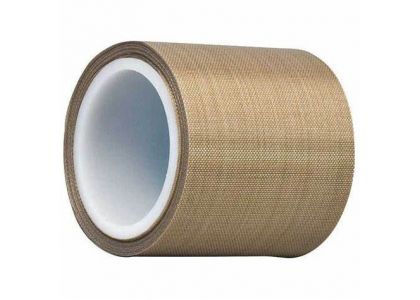
Overview of PTFE Glass Fabric Tape
PTFE glass fabric tape—also known as PTFE fiberglass fabric tape or PTFE glass cloth tape—is a high-performance industrial tape made by coating woven fiberglass fabric with polytetrafluoroethylene (PTFE). It is widely used in high-temperature, electrically insulating, chemically resistant, and non-stick applications.
Thanks to its excellent heat resistance, low friction surface, dielectric properties, and mechanical stability, PTFE glass fabric tape is commonly applied in packaging equipment, heat sealing machines, powder coating lines, electrical insulation, aerospace components, and industrial automation systems.
Because performance requirements are often critical, choosing the right PTFE glass fabric tape suppliers or manufacturer directly affects product reliability, production efficiency, and long-term operational cost. This guide provides engineers and procurement teams with a structured framework for selecting a reliable PTFE glass fabric tape distributor or manufacturing partner.
Selecting a PTFE fiberglass fabric tape wholesale supplier is not simply a price decision. Manufacturer capability influences:
Low-quality tape may lead to adhesive failure, residue buildup, edge fraying, electrical insulation risks, or frequent line downtime—especially in continuous high-temperature or automated production environments.
A qualified manufacturer ensures stable production, controlled material sourcing, documented quality processes, and scalable capacity for PTFE glass fabric tape wholesaling and OEM projects.
For engineers evaluating PTFE glass fabric tape, performance should be verified based on application-critical parameters rather than generic marketing claims.
Key technical factors to assess include:
1. Temperature ResistanceContinuous operating temperature range
Short-term peak temperature tolerance
Thermal aging behavior and adhesive retention after heat exposure
2. Tape Thickness and ConstructionFiberglass fabric thickness and weave structure
Total tape thickness (with and without adhesive)
Thickness tolerance and batch consistency
3. Surface and Release PerformanceNon-stick performance of PTFE surface
Friction coefficient for conveying or sliding applications
Release behavior in heat sealing or packaging environments
4. Adhesive SystemSilicone adhesive vs. acrylic adhesive vs. no-adhesive options
Peel strength at room temperature and elevated temperature
Residue risk after heat exposure
Adhesion compatibility with metal, plastics, rubber, and composite surfaces
5. Mechanical and Electrical PropertiesTensile strength and tear resistance
Dielectric strength for electrical insulation uses
Dimensional stability under thermal cyclingA professional PTFE glass fabric tape supplier should provide a technical datasheet (TDS) outlining specification ranges, test standards, and recommended operating limits.
Beyond product performance, procurement managers sourcing PTFE glass fabric tape wholesaling or large-volume orders should assess supplier reliability.
1. Production CapabilityPTFE coating method and fiberglass base material sourcing
Slitting precision, width tolerance, and roll length consistency
Capability for jumbo rolls, slit rolls, die-cut parts, and custom formats
2. Order ScalabilityMinimum order quantity (MOQ) for standard vs. customized items
Lead time for samples, trial orders, and mass production
Capacity to support recurring monthly or annual volume contracts
3. Documentation and Compliance
Change-control procedures for materials or production parametersThese practices help reduce supply risk and ensure consistency across bulk shipments.
China is a major global source for PTFE fiberglass fabric tape wholesale production due to competitive pricing and broad manufacturing capacity. However, buyers should conduct structured due diligence when sourcing internationally.
Key verification points include:
Some vendors operate as resellers rather than true manufacturers. Buyers may request:
Factory production photos or virtual audits
Equipment lists and coating line capabilities
Production workflow descriptions
A credible PTFE glass fabric tape distributor or manufacturer should be able to explain:Incoming raw material inspection processes
Coating thickness control methods
Slitting and dimensional inspection standards
Experience handling customs clearance and freight coordination
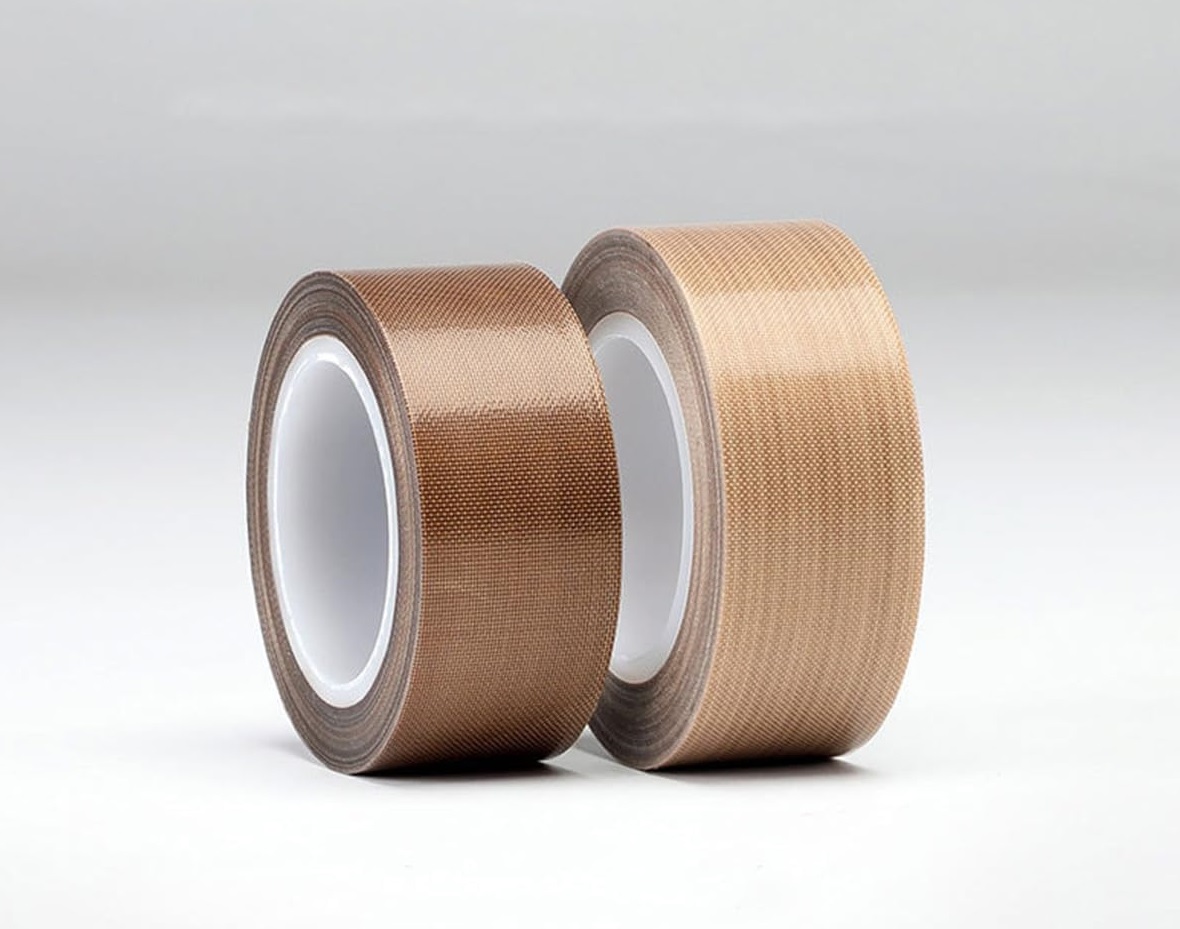
When selecting PTFE glass fabric tape suppliers, buyers should verify both product capability and supplier credibility. A reliable supplier should demonstrate transparent technical documentation, stable manufacturing processes, and responsive customer support.
Recommended supplier validation steps include:
A qualified PTFE glass fabric tape distributor should also provide clear communication regarding customization feasibility, testing lead times, and long-term supply planning.
For high-volume purchasing and PTFE glass fabric tape wholesaling, consistent supply performance is as important as product quality.
Suppliers should offer transparent minimum order quantities (MOQ) and tiered pricing based on:
Bulk buyers should confirm:
Reliable PTFE fiberglass fabric tape wholesale suppliers should support:
For OEM and industrial clients, suppliers should maintain:
Both manufacturers and distributors play roles in the PTFE glass fabric tape supply chain, and the best choice depends on purchasing priorities.
Direct manufacturers are typically preferred when:
Experienced distributors may be advantageous when:
Regardless of sourcing channel, buyers should prioritize suppliers that provide verifiable technical data, stable quality control systems, and responsive post-sales support.
Quality assurance is essential to ensure the long-term performance of PTFE fiberglass fabric tape in demanding industrial environments.
A robust QA system typically includes:
Suppliers with documented quality workflows and traceability systems offer stronger reliability for industrial-scale procurement.
Choosing the right PTFE glass fabric tape suppliers requires balancing technical performance, supplier credibility, production capacity, and long-term consistency.
Key selection checklist for engineers and procurement teams:
A strategic sourcing decision helps ensure stable performance, reduced downtime, predictable cost control, and long-term supply continuity in demanding industrial environments.
[1] 3M — PTFE Glass Cloth Tape 5451 & 5453 (Technical Data, PDF)
[2] 3M — 3M™ PTFE Glass Cloth Tape 5451 (Product Page)
[3] Saint-Gobain Tape Solutions — PTFE Glass Adhesive Tapes (mentions continuous up to 260°C)