
info@jxgreentape.com
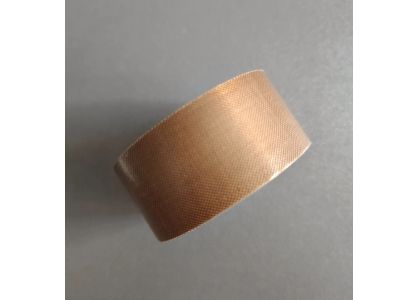
Manufacturers across packaging, electronics, thermal processing and general industry rely on high-performance liners and insulating tapes to keep lines running and products compliant. Choosing the correct PTFE Glass Cloth Tape or an equivalent Teflon Fiberglass Cloth Tape can be the difference between predictable uptime and frequent stops for cleaning, rework and tool refurbishment. Modern PTFE-glass laminates combine a low-energy PTFE surface with a dimensionally stable glass-fiber backing — a combination that gives you non-stick release, high thermal tolerance and mechanical strength in one product. This article explains what to demand from suppliers, how to validate performance, and how to translate material choices into measurable business benefits.
A credible supplier will do more than ship rolls. Expect detailed technical documentation (TGA/DSC, recommended continuous-use temperature), standardized test results (peel and shear per ASTM/ISO), chemical-resistance matrices and lot-based certificates of analysis. For critical applications ask for retained-sample policies and pilot support — a factory that provides pre-slit rolls matched to your jaw widths or available die-cut parts will reduce on-site waste and speed changeovers. Equally important: traceability, QC records and clear communication about shelf life and storage conditions so your quality and regulatory teams can sign off without protracted trials.
Contemporary constructions are engineered to solve specific failure modes:
Thermal stability: PTFE-based liners tolerate sustained high temperatures and short transient peaks without resinization or adhesive bleed.
Non-stick release: low surface energy reduces film adhesion and prevents residue build-up on sealing bars.
Mechanical robustness: tightly woven glass backing resists tearing and abrasion where contact is abrasive.
Chemical resilience: PTFE resists most acids, bases and common industrial solvents used in cleaning and sanitizing.
When suppliers pair the correct PTFE coating weight with an adhesive designed for your thermal profile — silicone for short high-temperature exposure or high-temp acrylics for broad adhesion — you get a tape that minimizes maintenance and extends tool life.
A disciplined qualification process reduces surprises. Key steps:
Define the process envelope: list peak and continuous temps, cleaning chemistries, expected cycle counts and mechanical loads.
Request a technical pack: TGA/DSC, ASTM peel (D3330) before/after thermal cycling, abrasion test protocol/results and chemical-resistance summary.
Pilot material: demand pre-slit pilot rolls with lot numbers and a retained-sample commitment. Run a 2–6 week pilot and capture KPIs (stops/day, cleaning minutes, scrap rate).
Quality systems: verify ISO 9001 (or similar), COA practice and corrective-action timelines for nonconforming lots.
Manufacturing capabilities: check slitting tolerances, die-cut capacity and ability to scale to your volumes.
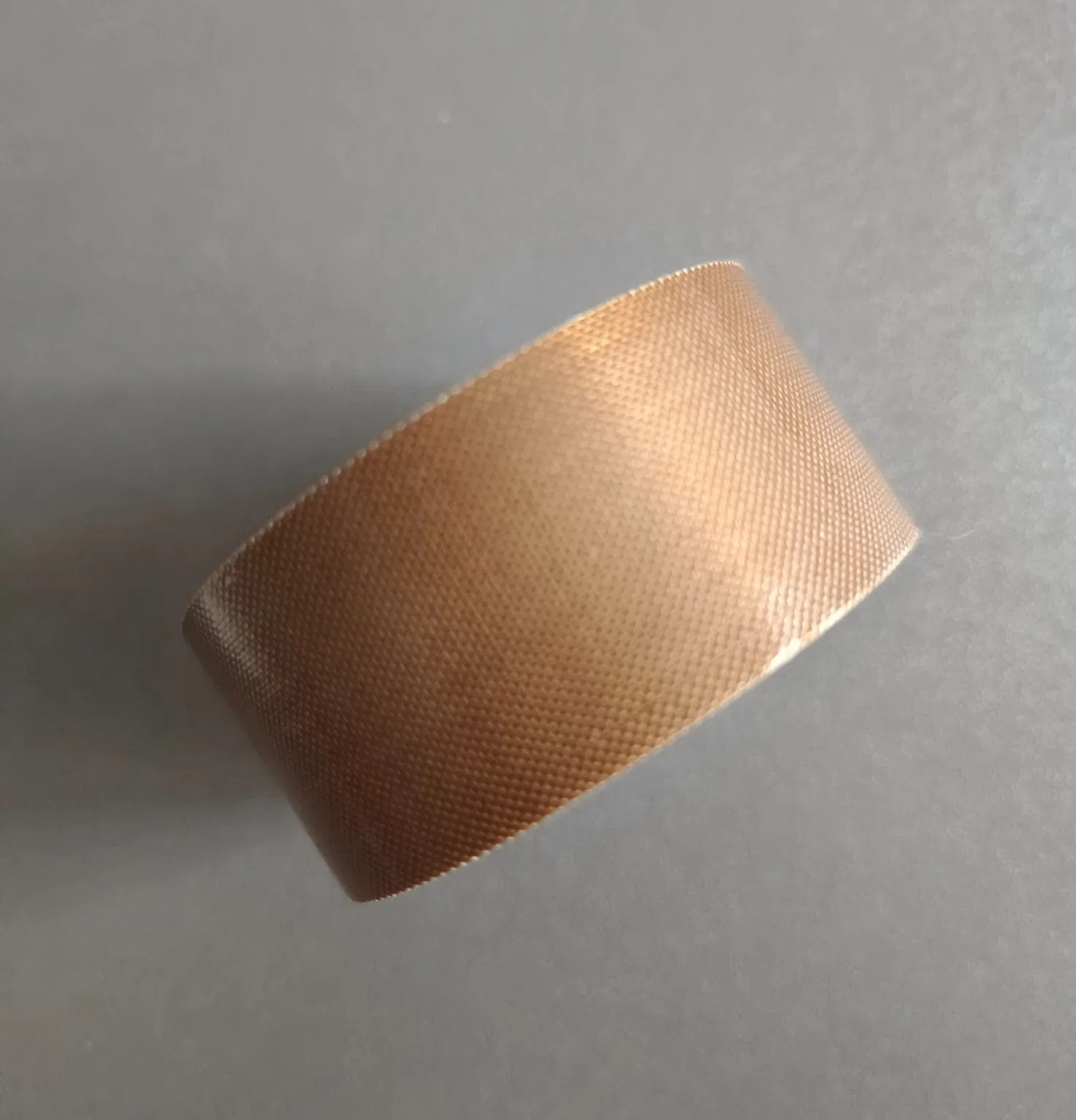
Selecting a factory is both technical and commercial; don’t let price alone drive the decision.
When comparing suppliers, weigh the following:
Transparent test methods: vendors who publish test protocols and raw data (not just marketing claims) are easier to qualify.
Material consistency: ask for coating-weight tolerances and porosity data — inconsistent coating is a common cause of field failure.
Adhesive engineering: confirm adhesive type and that the supplier can demonstrate no adhesive transfer under your thermal profile.
Custom options: ability to supply pre-slitted widths, custom thicknesses, and color/finish options for visual inspection.
After-sales support: technical troubleshooting, retained-sample analysis, and willingness to run corrective trials.
A good vendor partnership shortens qualification time and reduces the risk of field recalls.
Case A — High-speed pouch line (anonymized): a food packer had frequent film sticking and three daily stops for jaw cleaning. After piloting a pre-slit PTFE Fiberglass Tape liner tailored for their jaw geometry, the plant cut cleaning stops by 65% and improved throughput by 7%. The supplier’s retained-sample traceability helped QA close the validation package.
Case B — Transformer coil insulation (simulated-realistic): an electrical OEM replaced a generic insulating wrap with a premium PTFE Glass Fabric Tape that offered higher dielectric stability after thermal aging. Post-qualification, expected insulation life increased and the customer avoided a costly design rework.
Case C — Composite autoclave tooling (anonymized): a composites shop used PTFE-lined mandrel patches to improve part release. Switching to a heavier coat Teflon Fiberglass Cloth Tape reduced mandrel refurbishment intervals and slashed manual demolding time, with a measurable reduction in scrap.
Translate material performance into business results by measuring the right KPIs during pilots:
Downtime reduction: stops/day for cleaning or rework.
Maintenance hours saved: minutes of cleaning per shift.
Scrap/rework rate: rejects per 10k parts.
Tape life: cycles or hours per roll before replacement.
Use these metrics to calculate payback: saved labor + reduced scrap + extended tool life = total benefit. Negotiate supply terms (MOQ, lead times, AQL) that align with your production cadence and include remediation clauses for out-of-spec lots.
Specifying the right PTFE Glass Cloth Tape, whether you refer to it as a Teflon Fiberglass Cloth Tape or a broader PTFE Fiberglass Tape or PTFE Glass Fabric Tape, is a technical procurement exercise. Start with a clear failure-mode analysis, require documented test data, run short in-line pilots with retained samples, and only scale after KPIs validate the material in your real process.