
info@jxgreentape.com
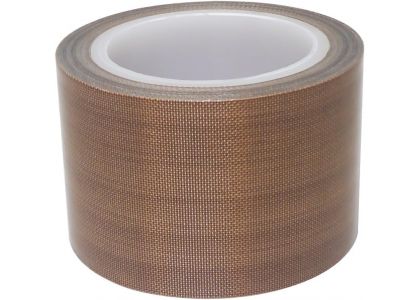
In modern heat press and laminating production, PTFE Coated Press Cover Tape has become a critical component for ensuring consistent quality and operational efficiency. Whether sourced from PTFE Coated Fiberglass Cloth Tape supplies or produced by established PTFE Glass Cloth Tape factories, this specialized tape offers a combination of heat resistance, non-stick performance, and durability that is hard to match. Its PTFE coating provides a smooth, chemically inert surface, while the fiberglass base delivers mechanical strength. This makes it indispensable in industries ranging from textile printing to composite manufacturing. Partnering with experienced Teflon Glass Cloth Tape manufacturers ensures not only high grade materials but also technical guidance for optimal application.
High-temperature resistance: Performs reliably at continuous temperatures up to 260°C, with short-term tolerance for even higher heat.
Non-stick surface: Prevents adhesives, inks, and resins from bonding to equipment surfaces, reducing downtime for cleaning.
Chemical resistance: Maintains stability in acidic, alkaline, and solvent-rich environments.
Mechanical strength: Fiberglass reinforcement provides tensile strength and abrasion resistance.
For example, an electronics manufacturer integrated PTFE Coated Fiberglass Cloth Tape supplies into its soldering process, preventing solder splatter from contaminating sensitive components and extending fixture life.
PTFE Coated Press Cover Tape is widely used in:
Textile printing: Protects heat press platens from ink and transfer film residue.
Packaging and laminating: Acts as a release surface on sealing bars and laminating rollers.
Composite material processing: Serves as a release layer during curing of carbon fiber or fiberglass panels.
Food processing: Prevents sticking in baking, sealing, and packaging operations.
A leather interior manufacturer working with Glass Fiber PTFE Coated Tape manufacturers reduced surface defects in its laminating process by introducing this tape as a protective barrier.
Choosing the right PTFE Glass Cloth Tape factories is essential for consistent performance:
China: Many Teflon Glass Cloth Tape manufacturers offer competitive pricing and fast delivery, making them a preferred choice for bulk orders.
Europe and North America: Some suppliers focus on high spec, custom-engineered tapes for aerospace, medical, and electronics applications.
Wholesale channels: Partnering with reputable PTFE Coated Fiberglass Cloth Tape supplies distributors ensures steady stock availability and technical support.
In heat press applications, PTFE Coated Press Cover Tape:
Shields heating plates from adhesive and ink buildup.
Promotes even heat transfer for consistent results.
Reduces maintenance frequency and costs.
Case example: A sportswear brand producing custom jerseys faced frequent downtime due to platen cleaning. After switching to PTFE Coated Fiberglass Cloth Tape supplies, cleaning time dropped by 60%, and production output rose by 15%.
Laminating processes involve high heat and pressure, which can cause adhesives to stick to rollers or plates. PTFE Coated Press Cover Tape:
Prevents adhesive transfer to machine parts.
Ensures smooth, defect-free laminated surfaces.
Extends the operational life of laminating equipment.
A packaging company working with PTFE Glass Fabric Tape manufacturers improved product quality and reduced downtime by using the tape on high-speed laminators, increasing their product acceptance rate from 92% to 98%.
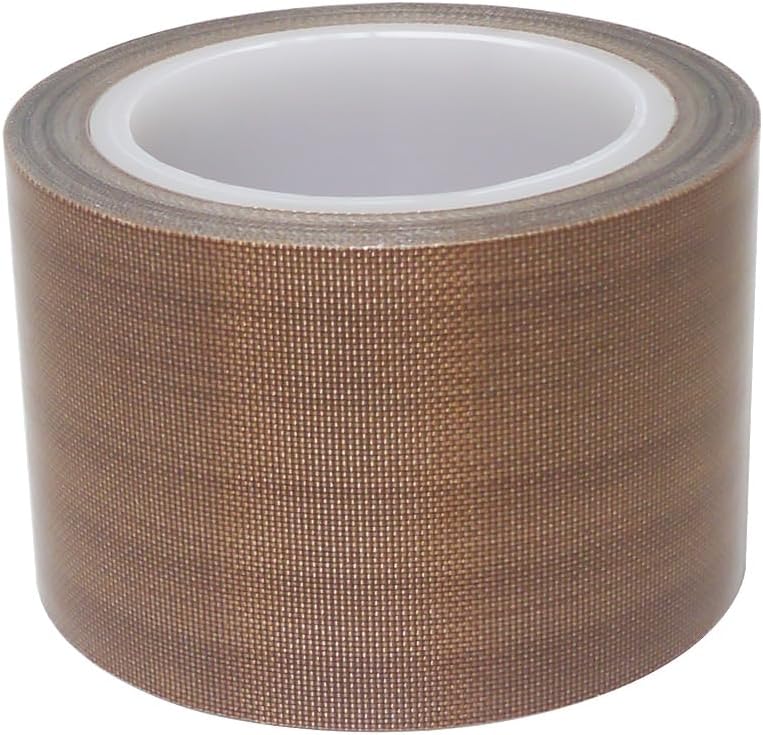
When choosing PTFE Coated Press Cover Tape, consider:
Temperature tolerance: Match the tape’s rating to your process requirements.
Thickness and base material: Thicker tapes offer more durability; fiberglass bases provide strength.
Adhesive type: Silicone adhesives excel in high-temperature applications; acrylic adhesives suit medium-temperature, long-duration use.
Supplier reliability: Work with established PTFE Glass Cloth Tape factories or Teflon Glass Cloth Tape manufacturers with proven quality control.
Case 1: Textile Printing Efficiency A large textile printing facility struggled with ink residue on heat press platens. By sourcing from a Chinese Teflon Glass Cloth Tape manufacturer, they cut cleaning time in half and improved delivery schedules.
Case 2: Electronics Soldering Protection A PCB assembly plant used PTFE Coated Fiberglass Cloth Tape supplies to shield delicate components during soldering, reducing rework rates by 30%.
Case 3: Food Packaging Compliance A food packaging company adopted food grade tape from PTFE Glass Cloth Tape factories to ensure clean, odor free seals, passing stringent export safety inspections without issue.
In short, PTFE Coated Press Cover Tape is more than a convenience—it's a process enabler. By providing a durable, non-stick interface and protecting critical equipment from adhesive, ink, resin, and heat-related damage, the right tape reduces downtime, lowers scrap, and improves product consistency across heat press and laminating operations. In many cases, pairing general-purpose coverings with specialty PTFE Coated Fiberglass Cloth Tape supplies at high-wear or high-temperature zones delivers the best balance of release performance and mechanical longevity.
For buyers and production engineers, the practical next steps are clear: validate candidate materials in situ, define thermal and chemical exposure profiles for each application, and require sample trials before large-scale procurement. Work closely with PTFE Glass Cloth Tape factories and experienced Teflon Glass Cloth Tape manufacturers to specify thickness, backing construction, adhesive system, and any food- or medical-grade certifications you may need. Reliable suppliers will support trial runs, provide material safety and test data, and help optimize inventory and replacement schedules to minimize line risk.
Looking forward, demand for more application-specific PTFE coatings and engineered backings will grow as manufacturers push cycle speeds and tighter tolerances. Companies that treat press-cover tape selection as a technical specification rather than a commodity will capture immediate operational savings and position themselves to scale with evolving production and regulatory requirements.