
info@jxgreentape.com
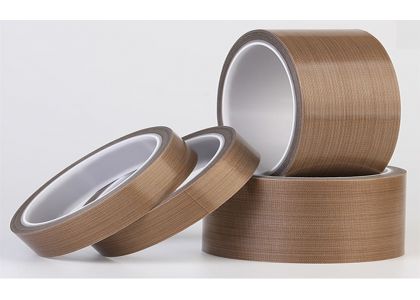
PTFE Glass Cloth Tape is widely recognized for its exceptional resistance to heat, chemicals, and wear, making it indispensable in industries such as aerospace, electronics, and automotive manufacturing. Whether purchased from a PTFE Glass Cloth Tape supplier, a Teflon Glass Cloth Tape wholesaler, or a PTFE Coated Glass Cloth Tape manufacturer, ensuring proper storage conditions is vital for preserving the tape's integrity over time. Mishandled storage can degrade the tape's performance, leading to premature failures and costly replacements.
This guide presents the key factors that influence the long-term shelf life of PTFE Glass Cloth Tape. It outlines essential storage protocols recommended by top PTFE Fiberglass Tape factories and shares examples from companies that have optimized storage to preserve tape quality and reduce material waste.
Numerous environmental and handling variables impact the durability of PTFE Glass Cloth Tape. Chief among these is temperature stability. Storage environments should maintain temperatures between 15°C and 30°C, as fluctuations outside this range can impair adhesive bonding and compromise tape structure. Reputable PTFE Coated Glass Cloth Tape manufacturers usually include this specification in their product documentation.
Humidity plays a similarly critical role. Fiberglass, while robust, can absorb atmospheric moisture, reducing its dielectric and mechanical properties. Therefore, optimal storage requires relative humidity levels below 60%. Facilities equipped with industrial-grade dehumidifiers or desiccant storage containers ensure the tape remains unaffected by environmental moisture.
Direct exposure to ultraviolet light can also cause degradation. Prolonged exposure to sunlight may lead to discoloration, reduced tensile strength, and surface damage. Industry leaders recommend dark or opaque storage bins to shield rolls from ambient UV rays.
Maintain Original Packaging
Always store tape in the packaging provided by the PTFE Glass Cloth Tape supplier or Teflon Glass Cloth Tape wholesaler. This packaging is designed to protect against environmental contaminants such as dust, oils, and humidity.
Implement Controlled Storage Conditions
Ensure that both temperature and humidity are regulated. Warehouse climate control systems, combined with hygrometers and thermometers, help monitor storage conditions for compliance. Bulk shipments from a PTFE Fiberglass Tape factory should be accompanied by moisture indicator cards to check exposure levels during transit.
Prevent Physical Distortion
Avoid stacking heavy objects on top of tape rolls, particularly in bulk storage. Improper stacking may lead to edge deformation or adhesive layer compression. Custom racking systems or spool racks are ideal for organized, stress-free storage.
Avoid Contact with Reactive Substances
Separate PTFE Glass Cloth Tape from chemicals, solvents, and oils. Even minimal vapor exposure can damage the adhesive or surface finish, diminishing performance during application.
Use FIFO Inventory Rotation
Employ the First-In-First-Out method to ensure older stock is used before newly delivered rolls. This is especially important for users sourcing from multiple PTFE Coated Glass Cloth Tape manufacturers over time.
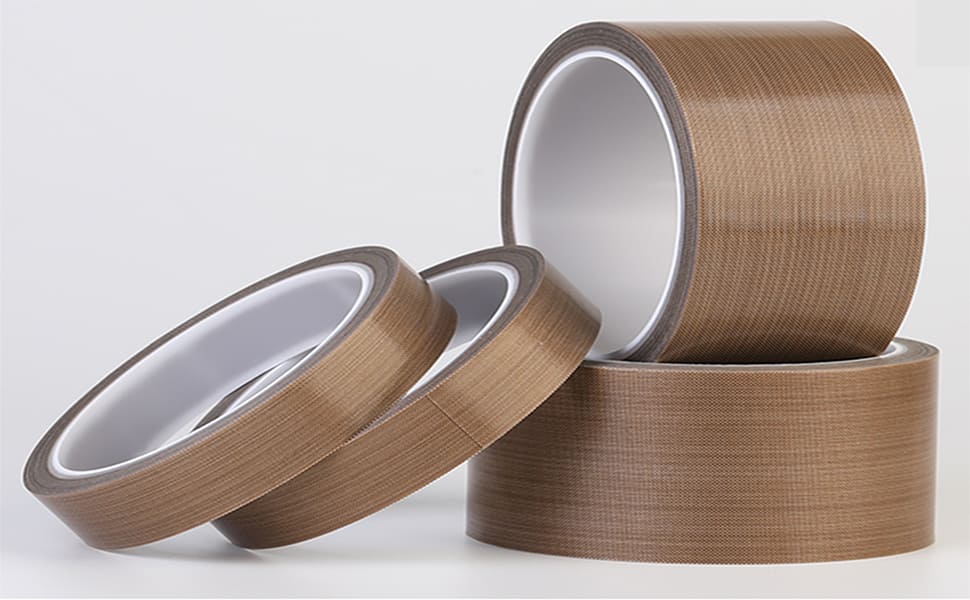
Experienced PTFE Glass Cloth Tape suppliers conduct rigorous testing to confirm long-term tape performance under various environmental conditions. Simulated aging chambers allow manufacturers to evaluate material integrity under controlled temperature and humidity cycles, mirroring real-world conditions over extended periods.
Additionally, packaging innovation plays a major role in ensuring tape durability. Modern PTFE Fiberglass Tape factories now employ multilayer foil pouches, vacuum sealing, and anti-static barriers to mitigate degradation during transit and storage. Some Teflon Glass Cloth Tape wholesalers also provide optional nitrogen flushing inside packaging to further enhance shelf-life stability.
One electronics assembly company, a regular client of a PTFE Coated Glass Cloth Tape manufacturer in China, installed an automated storage facility with 24/7 climate control, motion-triggered LED lighting, and desiccant-integrated bins. This investment reduced tape rejection rates by 25% within the first year and minimized production downtime.
In another case, a Teflon Glass Cloth Tape wholesaler introduced customized UV-blocking storage boxes for clients located in equatorial regions with higher solar exposure. This move significantly reduced inventory loss and enhanced customer satisfaction across logistics chains.
An OEM automotive components manufacturer working closely with a PTFE Fiberglass Tape factory adopted modular spool racks with individual climate control compartments. This setup optimized inventory access while maintaining uniform storage conditions, helping the company meet tighter quality control standards.
For international distributors of PTFE Glass Cloth Tape, logistics and packaging during overseas transport present further considerations. Containers must include shock-absorbing materials and be secured against vibration damage. Humidity during sea transit can be mitigated using cargo desiccants and thermal blankets.
It is also advisable for PTFE Glass Cloth Tape suppliers engaged in global trade to maintain traceable inventory management systems, ensuring that all rolls have identifiable lot numbers and production dates. This practice facilitates product recalls, usage rotation, and customer trust.
Further, warehouse staff should be trained in material handling best practices, including the importance of wearing gloves to prevent oil transfer and the routine inspection of storage systems to detect any breaches in environmental integrity.
Proper storage of PTFE Glass Cloth Tape is a critical step in maintaining its mechanical, electrical, and thermal properties over time. From controlling environmental variables to choosing the right packaging, a well-structured storage protocol ensures that the tape performs reliably when needed.
Purchasing from a reputable PTFE Glass Cloth Tape supplier, PTFE Coated Glass Cloth Tape manufacturer, or Teflon Glass Cloth Tape wholesaler not only guarantees high-quality materials but also often comes with expert advice on long-term storage. Implementing these strategies reduces waste, ensures product availability, and maximizes return on investment.
Whether managing a small production facility or a global distribution center, consistent storage practices for PTFE Glass Cloth Tape lay the foundation for quality assurance, operational efficiency, and sustainable material use.