
info@jxgreentape.com
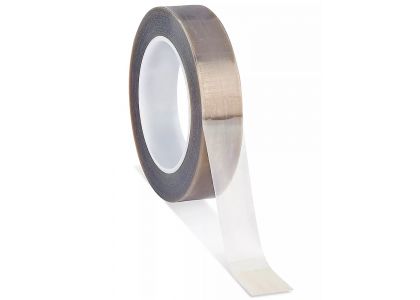
Ensuring the quality of Pure PTFE Film Adhesive Tape is essential for its effectiveness in demanding industrial environments. This high-performance material, known for its exceptional temperature resistance, non-stick surface, and electrical insulation, is widely used across manufacturing sectors. However, not all PTFE Adhesive Film Tape delivers the same performance. The two most critical indicators of quality—thickness and adhesive strength—must be thoroughly tested before application. Neglecting these factors can result in equipment failure, reduced efficiency, or safety hazards. To maintain optimal operational standards, businesses must collaborate with a trusted PTFE Tape Manufacturer and prioritize quality assurance procedures tailored to their specific needs. This article outlines how to test both thickness and adhesive strength of Pure PTFE Film Adhesive Tape and explains how doing so helps ensure the reliability of PTFE Skived Film Tape in practical settings.
The effectiveness of Pure PTFE Film Adhesive Tape begins with the accuracy of its thickness. A tape that is too thin might fail to insulate properly, while excessive thickness can make installation cumbersome and costly. Thickness testing is not just a formality; it directly impacts safety and operational efficiency in high-performance environments.
A precision micrometer is the preferred tool for measuring the thickness of PTFE Adhesive Film Tape. This device offers high-accuracy measurements, typically to within one-thousandth of an inch or micrometer. To obtain a valid reading, measurements should be taken at multiple locations across the tape’s surface. Consistent results confirm that the PTFE Skived Film Tape has been manufactured with uniform specifications.
High-quality Pure PTFE Film Adhesive Tape usually ranges from 0.05 mm to 0.25 mm in thickness. Applications requiring superior dielectric strength or higher durability may opt for thicker grades. A reputable PTFE Tape Manufacturer will always provide technical data sheets detailing tape specifications. Users should consult these resources and verify consistency upon receipt to avoid costly mismatches in critical systems.
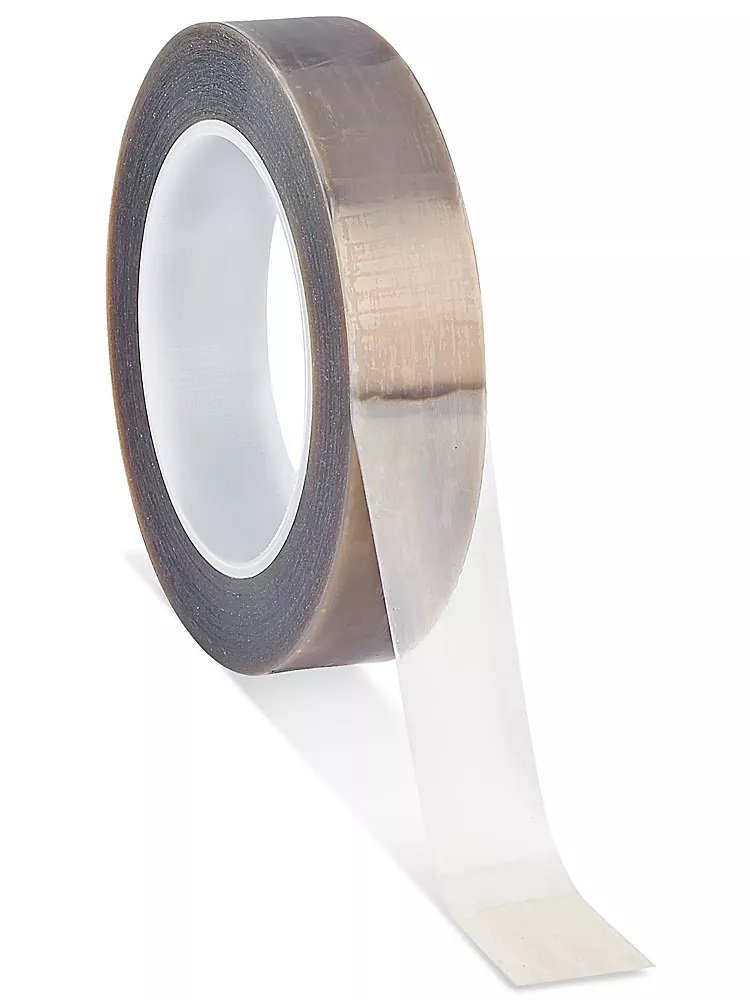
Adhesive strength is a defining characteristic of PTFE Adhesive Film Tape, especially in applications involving high heat, chemicals, or heavy mechanical stress. A tape with poor adhesive performance may lift, shift, or fail under pressure, leading to process interruptions. Conversely, overly aggressive adhesives can damage the substrate during removal. Therefore, testing for adhesive strength is a standard part of quality validation for Pure PTFE Film Adhesive Tape.
The 180-degree peel test is a common method for determining how well PTFE Adhesive Film Tape adheres to a surface. In this test, a strip of tape is applied to a clean substrate—such as aluminum, stainless steel, or treated plastic—then peeled back at a steady rate. A force gauge measures the peel strength, typically in N/25 mm. Acceptable values vary depending on application, but consistency and repeatability across batches are key.
A shear test complements peel strength measurements. Here, force is applied parallel to the bonded surface to simulate real-world conditions where the tape might be stressed over time. PTFE Skived Film Tape with adequate adhesive formulation should demonstrate good holding power and resistance to sliding or failure under shear load. Collaborating with an experienced PTFE Tape Manufacturer ensures these tests are part of routine quality control.
Practical application is the ultimate test of a product’s quality. One industrial food packaging company faced recurring failures with heat-sealing equipment. The Pure PTFE Film Adhesive Tape they initially sourced frequently delaminated under high temperatures, leading to production delays and product loss. Upon investigation, it was found that the PTFE Skived Film Tape did not meet the specified thickness and lacked adequate adhesive strength.
After switching to a new PTFE Tape Manufacturer with in-house testing capabilities, the company demanded third-party validation for thickness and adhesive strength. With higher-quality PTFE Adhesive Film Tape customized to meet their exact dimensions and performance requirements, the equipment ran efficiently with fewer stoppages. The cost savings from reduced downtime and tape replacement were substantial. This case demonstrates the importance of verifying all performance metrics before integrating Pure PTFE Film Adhesive Tape into any industrial process.
Even with stringent quality protocols, issues can arise. Thickness variation in PTFE Skived Film Tape often stems from irregularities during the skiving process or improper temperature control during film formation. These inconsistencies can lead to uneven insulation or ineffective sealing. Manufacturers should routinely calibrate equipment and adopt inline inspection technologies to catch problems early.
Adhesive issues in PTFE Adhesive Film Tape are frequently traced back to contamination—either on the film itself or the substrate. To mitigate this, production should occur in cleanroom conditions, and substrates must be properly prepped before application. Inadequate curing or an incorrect adhesive blend can also degrade performance. A reliable PTFE Tape Manufacturer will provide batch certificates and offer technical support to diagnose and remedy such problems.
Storage-related problems, such as adhesive degradation or loss of flexibility, are another concern. Pure PTFE Film Adhesive Tape should be stored in a cool, dry environment away from UV exposure and volatile chemicals. Proper packaging and labeling with manufacturing and expiry dates can help users manage inventory and avoid using compromised materials.
The performance of Pure PTFE Film Adhesive Tape hinges on two key factors: consistent thickness and reliable adhesive strength. Without verifying these parameters, even a premium-grade PTFE Skived Film Tape may underperform in demanding environments. To safeguard process integrity and product quality, manufacturers and users must engage in proactive testing and quality assurance.
A reliable PTFE Tape Manufacturer plays a crucial role in this process, offering not just products but also technical expertise and support. By testing peel strength, shear resistance, and thickness with precision instruments and adhering to storage and handling best practices, companies can maximize the lifespan and performance of PTFE Adhesive Film Tape. This investment in quality not only reduces operational risk but also provides a competitive edge in industries where precision and reliability are non-negotiable.