
info@jxgreentape.com
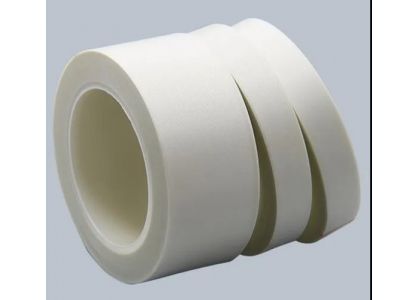
In industrial and electrical sectors, glass cloth silicone adhesive tape plays a crucial role in achieving reliable and durable bonding solutions. Alongside this material, other variants such as adhesive glass cloth tape, silicone adhesive glass cloth tape, acrylic adhesive glass cloth tape, and rubber adhesive glass cloth tape offer a spectrum of performance features tailored to different applications. Understanding these tapes' properties is essential for selecting the optimal solution that meets both environmental and operational demands without compromising quality or efficiency.
The effectiveness of glass cloth silicone adhesive tape lies in its unique construction. It combines woven fiberglass cloth with a high-performance silicone adhesive layer, delivering excellent heat resistance and chemical stability. This composition allows the tape to maintain adhesive integrity in temperatures ranging from -50°C to 260°C. Compared to traditional adhesive materials, silicone adhesive glass cloth tape demonstrates superior performance under thermal cycling, making it indispensable in industries like aerospace, automotive, and electronics manufacturing.
When applications demand versatility, acrylic adhesive glass cloth tape is often the go-to solution. Its tackiness allows for strong initial adhesion, while its clean removability reduces residue during maintenance. Similarly, rubber adhesive glass cloth tape is known for its elasticity and toughness, making it suitable for environments where vibration and mechanical stress are common. Each tape variant provides specific advantages, allowing engineers and technicians to choose based on thermal resistance, flexibility, and removal requirements.
Selecting the right tape involves aligning product features with operational needs. In high-temperature insulation, glass cloth silicone adhesive tape provides excellent resistance to degradation, ensuring long-lasting performance even when exposed to extreme heat. For applications where surface contact uniformity is critical, adhesive glass cloth tape is favored due to its ease of application and dependable adhesion on smooth surfaces.
Clean removal is another vital consideration, especially in sectors requiring frequent rework. Silicone adhesive glass cloth tape excels in this area, offering strong adhesion while leaving minimal residue behind. This feature is particularly valuable in electrical insulation, coil wrapping, and transformer assembly.
In contrast, acrylic adhesive glass cloth tape and rubber adhesive glass cloth tape shine in dynamic environments. Their ability to flex with moving parts or absorb vibration makes them ideal for mechanical applications where static adhesives might fail. This adaptability contributes to longer service life and reduces the need for frequent replacements.
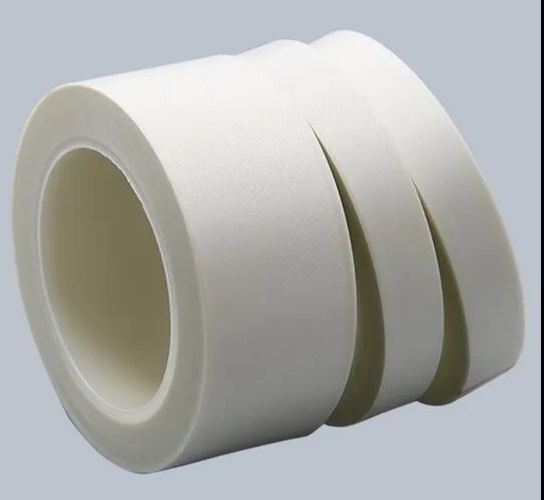
To ensure optimal performance of glass cloth silicone adhesive tape and related products, proper installation is essential. Preparation begins with cleaning and lightly abrading the substrate to promote better adhesion. Technicians often use rollers or squeegees to apply consistent pressure, allowing adhesive glass cloth tape to form a uniform bond.
In some industrial cases, slightly warming the substrate before applying silicone adhesive glass cloth tape enhances the adhesive flow and bond strength. Environmental conditions such as temperature and humidity also affect the performance of acrylic adhesive glass cloth tape and rubber adhesive glass cloth tape. By controlling these variables, installers can reduce errors and achieve long-term durability.
Industrial users consistently report positive outcomes when implementing glass cloth silicone adhesive tape in demanding environments. From improving system reliability to reducing maintenance cycles, this material has become a staple in various manufacturing processes. Likewise, adhesive glass cloth tape is frequently cited for its dependable performance in bonding and insulation tasks, particularly where thermal cycling or vibration is present.
Maintenance teams appreciate silicone adhesive glass cloth tape for its clean removal capabilities, which streamline repairs and minimize downtime. Additionally, projects requiring flexible materials benefit from acrylic adhesive glass cloth tape and rubber adhesive glass cloth tape, both of which maintain adhesion without becoming brittle or failing under movement.
As industries evolve, so do adhesive technologies. Manufacturers are investing in research to improve the bonding strength and environmental performance of glass cloth silicone adhesive tape. There is growing interest in hybrid adhesives that combine silicone, acrylic, and rubber technologies, potentially leading to tapes with multi-functional properties.
Customer feedback continues to influence product development. Users of adhesive glass cloth tape and its variants are helping shape future formulations that prioritize both performance and ease of use. Innovations in curing methods and material science promise even broader application ranges for next-generation adhesive solutions.
Engineers and procurement managers must evaluate both the technical specifications and operational conditions when selecting tapes. For heat-intensive environments, glass cloth silicone adhesive tape is often the preferred choice due to its high-temperature stability. When clean removal is essential, silicone adhesive glass cloth tape or acrylic adhesive glass cloth tape may offer the best results. For applications involving mechanical movement or vibration, rubber adhesive glass cloth tape provides the necessary durability and flexibility.
Understanding the distinctions between these products helps organizations select materials that reduce maintenance costs, improve reliability, and ensure compliance with safety standards.
Using advanced adhesive tapes like glass cloth silicone adhesive tape brings long-term benefits beyond the initial application. These include reduced downtime, lower maintenance requirements, and improved system safety. Whether employing adhesive glass cloth tape for insulation tasks or rubber adhesive glass cloth tape for vibration-prone installations, the right choice enhances operational efficiency and yields significant cost savings over time.
By leveraging the strengths of each adhesive variant, industries can optimize performance, extend product life, and ensure continuous innovation in bonding solutions.