
info@jxgreentape.com
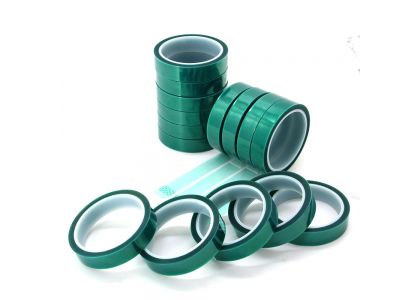
The differences between aluminum and steel extend far beyond their weight and conductivity—especially when it comes to surface prep for powder coating. Selecting the right custom Powder coat tape ensures proper adhesion, residue-free removal, and reduced rework. Aluminum, due to its oxide layer, can repel adhesives unless properly pre-treated. Steel, by contrast, may introduce challenges around surface roughness or corrosion. Applying the wrong custom Green polyester tape could result in edge bleed, poor masking definition, or heat-related tape failure.
Many manufacturers now look for custom Powder Coating Masking Tape formulations tailored to specific metal types. Whether you're masking intricate aluminum extrusions or large steel panels, the right adhesive chemistry combined with the proper backing makes all the difference.
Silicone adhesives are often the best choice for both aluminum and steel due to their high heat tolerance and chemical resistance. However, the surface energy of each metal affects tape bonding differently. For instance, aluminum's natural oxide layer reduces initial tack, so the custom Green High Temp Masking Tape used must balance moderate adhesion with reliable residue-free removal.
In contrast, for raw or galvanized steel surfaces, acrylic or hybrid adhesives might deliver better initial adhesion. This is especially true for applications that do not exceed 180 °C. That said, using silicone-based tapes across the board simplifies inventory management and typically yields better high-temperature results in most powder coating setups.
Aluminum is prized for its light weight and corrosion resistance, but it presents unique masking challenges. Its oxide surface requires chemical or mechanical pretreatment for optimal tape adhesion. This is where custom Powder coat tape specifically engineered for aluminum excels.
Recommended tape features for aluminum:
Medium-tack silicone adhesive for temporary bonding without leaving marks
Thin, conformable backing for tight edges and curves
UV resistance for parts exposed to pre-cure lighting
A furniture manufacturer working with anodized aluminum found that switching to custom Powder Coating Masking Tape with lower initial tack but superior heat stability reduced residue incidents by 80%.

Steel's texture can vary dramatically based on its finish—cold-rolled, hot-dip galvanized, or powder primed. Choosing custom Green polyester tape for steel applications involves prioritizing strong adhesion and durability.
Steel masking tape features to consider:
High adhesion for rougher surfaces
Backings with extra tensile strength to resist tearing
Compatibility with anti-corrosion treatments
An industrial racking company reported 25% fewer tape failures after adopting a custom Powder coat tape designed with reinforced PET backing and high-tack silicone adhesive for coarse steel.
Aluminum heats up and cools down faster than steel due to its thermal conductivity. This requires careful consideration when choosing custom Green High Temp Masking Tape, especially in batch processes with mixed metals. Tapes that withstand up to 260 °C are ideal for both metals but must accommodate differential expansion and contraction.
For aluminum: thinner backings that flex with thermal expansion
For steel: thicker backings that resist cracking under tension
Using temperature-rated custom Powder Coating Masking Tape ensures performance remains consistent even during prolonged cure cycles.
An electronics supplier routinely powder coats enclosures made of aluminum and steel subcomponents. Initial problems included adhesive residue on aluminum and partial delamination on steel. After consulting with their tape supplier, they switched to a dual-adhesive custom Green polyester tape designed for mixed-metal use.
Results after the switch:
97% reduction in edge bleeding
Faster tape removal (avg. 3 minutes saved per part)
Fewer post-curing surface touchups
The team now uses custom Powder coat tape in two widths—narrow for corners and curves, and wider rolls for large surface masking—streamlining the masking process.
Using one tape for all metals: Customization matters. Tapes optimized for steel may underperform on aluminum.
Ignoring surface prep: Dust, oil, or oxidation significantly impair bonding.
Overbaking: Even high-temp tapes have limits. Always match bake cycles to the tape’s rating.
Improper removal technique: Removing too hot or too cold can affect residue behavior.
Companies that custom Powder Coating Masking Tape for internal use often develop SOPs to regulate temperature windows for peel and storage protocols, preventing failures due to mishandling.
Use different tape formulations for each metal type when needed.
Choose adhesive chemistries tailored to surface energy and bake cycle temps.
Maintain clean surfaces and store tapes in dry, moderate environments.
For batch operations with mixed metals, look for hybrid or custom solutions.
Combining engineering knowledge with purpose-designed custom Powder coat tape enhances productivity and reduces cost. Whether you're masking brushed aluminum or powder-primed steel, precision starts with the right tape selection.