
info@jxgreentape.com
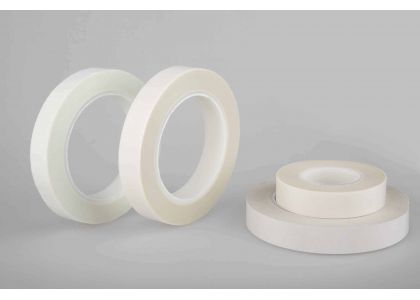
Choosing the right supplier for glass cloth electrical tape is more than just a pricing decision—it’s about securing quality, reliability, and long-term support. Whether you’re working in automotive, electrical, or electronics manufacturing, the quality of your tape can make or break your project. For example, if your glass cloth tape can’t withstand extreme heat or maintain its electrical properties over time, you risk product failure, production delays, and financial losses.
A reliable supplier does more than deliver tape; they ensure consistency, provide technical support, and adapt to your specific needs. In industries like automotive and electronics, glass cloth tape must withstand high temperatures, electrical stress, and mechanical stress. Choosing a supplier who understands your industry’s unique requirements is crucial to ensuring your products meet safety standards and perform optimally.
When evaluating glass cloth electrical tape, one of the most crucial factors to consider is how well it performs under thermal cycling. This test simulates the conditions that tapes will face in real-world applications—where temperatures fluctuate rapidly and often.
To assess a supplier’s tape performance, look for compliance with ASTM D1000, a standard that details how to test adhesive-coated tapes for performance in electrical applications. This includes testing for adhesion strength, dielectric breakdown, and thermal aging. A good supplier will provide clear performance data showing how their tape holds up under heat stress, which is essential for applications in electric vehicle (EV) batteries and power transmission.
For example, if you're sourcing tape for EV battery packs, you need to be sure it can withstand high temperatures without losing adhesion or electrical insulation properties. A supplier who provides thermal cycling test results and demonstrates their product's ability to withstand heat over time can give you peace of mind that their tape won’t fail during critical applications.
Minimum Order Quantity (MOQ) is a common concern when sourcing glass cloth electrical tape, especially for companies with fluctuating demand. Large manufacturers often want to buy in bulk to reduce costs, but smaller businesses or those with variable demand need more flexibility.
The key to managing MOQ effectively is finding suppliers who understand your business model and are willing to work with you on flexibility. Some suppliers are willing to accommodate lower MOQs, making it easier for small or mid-sized businesses to get the quantities they need without committing to large orders that may not align with their current demand.
At the same time, larger enterprises should look for suppliers that can handle large volumes but also offer scalable production based on changing demand. Negotiating flexible MOQs helps avoid overstocking or under-ordering, both of which can negatively impact your cash flow and production timelines.
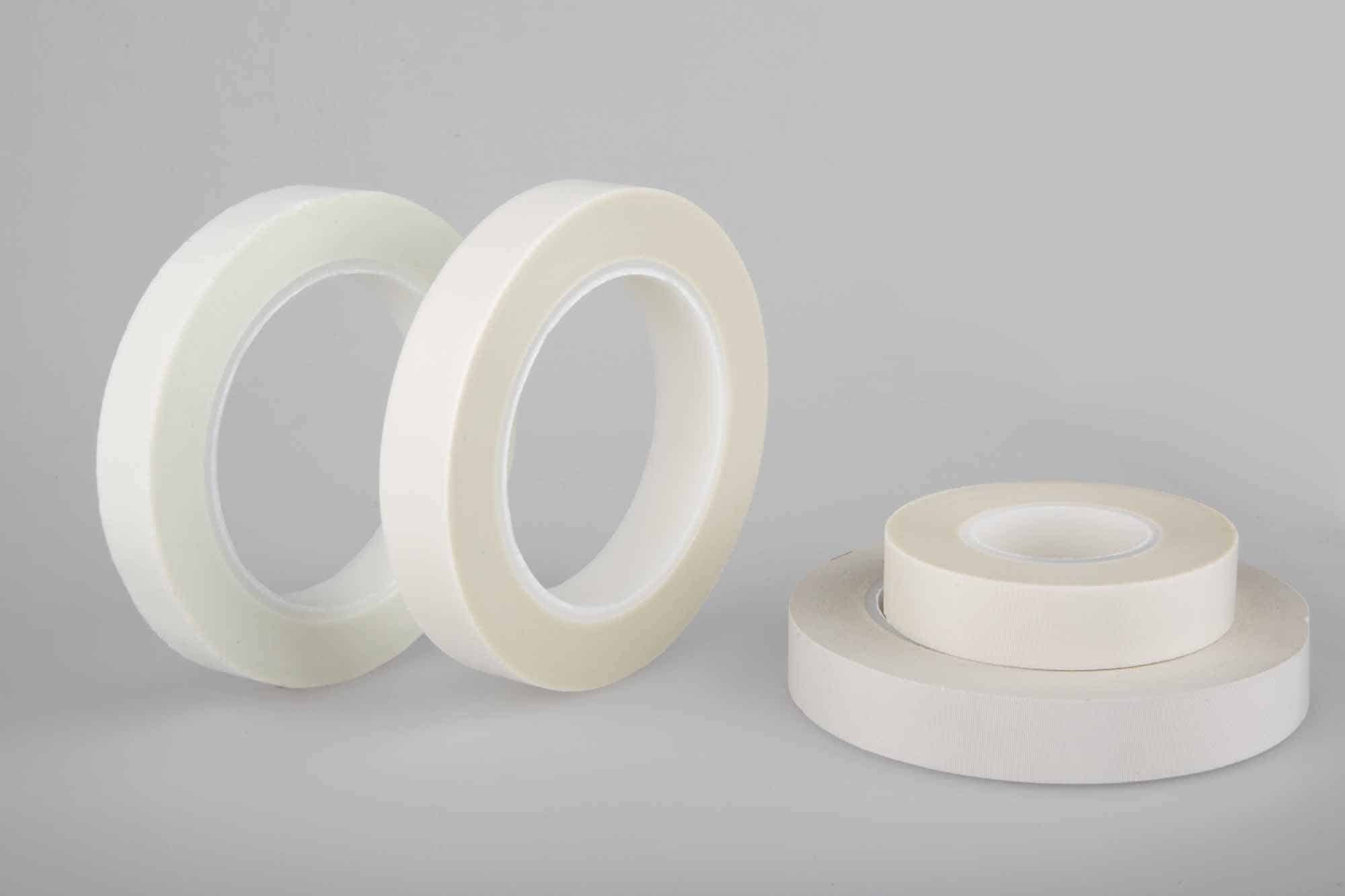
Quality control (QC) is essential when sourcing glass cloth electrical tape. The best suppliers will have rigorous QC procedures in place to ensure their products meet the required standards. It’s crucial to ensure that the supplier provides clear documentation and test reports demonstrating that their tape performs as expected in critical areas such as adhesion strength, dielectric properties, and temperature resistance.
Ask for proof that the supplier adheres to established standards like ISO 9001 and provide third-party testing results. Checking whether a supplier has quality control certifications like UL 510 or IEC 60454-3 ensures that their tape meets industry requirements for safety and performance.
Insider Tip: When evaluating a supplier, don’t just ask for test reports—ask them about their production process. What steps do they take to ensure consistent tape quality? Can they provide on-site audits or allow you to visit their facilities? Understanding how they maintain QC will give you confidence in their ability to deliver high-quality tape consistently.
Advances in adhesive technologies are making glass cloth electrical tapes more versatile and reliable than ever before. Silicone-based adhesives are increasingly used because of their excellent heat resistance and long-term durability, which makes them ideal for high-temperature environments like automotive components, aerospace, and even electric vehicles.
Moreover, thermosetting adhesives—which form a stronger bond when exposed to heat—are becoming more common. This innovation is particularly useful for applications in industries where the tape needs to remain intact even when exposed to extreme temperatures over time.
Look for suppliers who are constantly innovating to improve their products. Suppliers investing in R&D to create advanced adhesive formulations will be better equipped to meet the future demands of industries that require higher-performance electrical insulation solutions.
The demand for glass cloth electrical tape is increasing in both electric vehicle (EV) battery manufacturing and aerospace applications. As EVs become more widespread, the need for reliable electrical insulation materials has surged. Glass cloth electrical tapes are perfect for insulating wires and cables in EV batteries, where heat resistance and dielectric properties are essential.
Similarly, the aerospace industry requires materials that can withstand extreme conditions. Glass cloth electrical tapes are being used in various aerospace applications, providing the necessary insulation while maintaining durability at high altitudes and in high-pressure environments.
As the demand for high-performance tapes grows in these sectors, suppliers who specialize in high-temperature resistance, dielectric strength, and electrical insulation will be better positioned to meet the needs of these rapidly expanding industries.
When selecting a supplier, it’s not just about the product—it’s also about their reputation. A trusted supplier will not only deliver on-time and high-quality products, but they will also offer excellent customer support and be transparent about their production processes.
Here’s how to assess a supplier’s reputation:
· Check reviews from other businesses that have worked with the supplier.
· Ask for references from suppliers who have delivered similar products for companies in your industry.
· Request certifications to ensure that they meet industry standards such as ISO 9001 or UL 510.
Also, ask your supplier about their supply chain reliability. Can they deliver consistently over time, even during peak demand periods?
Q1. How can I differentiate between silicone-based and rubber-based glass cloth tapes?
o Answer: The easiest way to differentiate is by reviewing the TDS (Technical Data Sheet) and MSDS (Material Safety Data Sheet) from your supplier. Silicone-based tapes will typically have a higher temperature range and better heat resistance. For a quick test, you can use a solvent wipe test—rubber-based tapes will dissolve in toluene, while silicone-based tapes will not.
Q2. Does higher tensile strength always mean better performance for motor winding?
o Answer: Not always. While tensile strength is essential, conformability is equally important for motor winding applications. The tape needs to adhere well to the wire surface without creating gaps, and sometimes higher tensile strength can compromise this property.
Q3. What are the common risks associated with MOQ when sourcing glass cloth electrical tape from China?
o Answer: High MOQ can lead to excess inventory and storage issues. For smaller businesses, it’s important to negotiate with suppliers who are flexible with MOQ and can handle just-in-time orders. This ensures you don’t over-purchase and tie up capital in stock.
Q4. Is UL 510 certification sufficient for aerospace applications?
o Answer: UL 510 is an excellent standard for electrical insulation, but for aerospace, you may need stricter certifications such as FAR 25.853 for fire resistance. It’s important to check the specifications and certification requirements for your industry’s unique needs.
· ASTM D1000: Standard Test Methods for Pressure-Sensitive Adhesive-Coated Tapes used for Electrical and Electronic Applications.
· UL 510: Standard for Polyvinyl Chloride, Polyethylene, and Rubber Insulating Tapes.
· IEC 60454-3: International Standard for Pressure-Sensitive Adhesive Tapes.
· 3M™ Technical Paper: Referencing Tape 69 for benchmarking adhesive technologies.
· IDTechEx 2026 Report: Materials for Electric Vehicle Battery Cells and Packs 2026-2036.