
info@jxgreentape.com
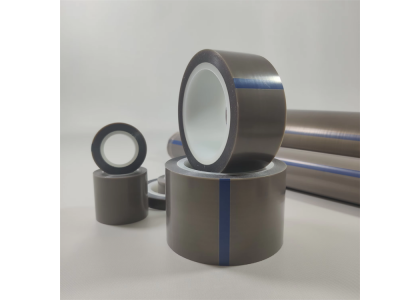
For high-frequency motors operating under demanding thermal and electrical conditions, choosing the appropriate insulation material is critical to ensuring long-term performance and operational stability. Among the advanced solutions available, PTFE-based insulation tapes stand out for their reliability and superior characteristics. Notably, PTFE skived film tape offers a compelling combination of thermal endurance, electrical insulation, and mechanical resilience. Other options such as PTFE film adhesive tape, skived PTFE tape, and PTFE film tape with acrylic adhesive are also widely recognized for enhancing insulation efficiency in motor applications. This blog post examines the essential criteria in insulation selection and highlights how PTFE-based products contribute to optimizing motor reliability and efficiency.
High-frequency motors require insulation capable of withstanding rapid switching and elevated thermal loads. PTFE skived film tape delivers high dielectric strength and thermal stability, making it well-suited for these conditions. This tape maintains a robust insulating layer, limiting dielectric losses and helping prevent temperature-related failures. PTFE film adhesive tape enhances this effect with strong, consistent adhesion that ensures long-lasting performance. For applications needing even greater ease of use, PTFE film tape with acrylic adhesive provides excellent installation characteristics and improved bond retention. Together, these materials form a comprehensive insulation system ideal for high-stress electrical environments.
When selecting insulation for high-frequency motors, engineers must assess several key parameters: thermal resistance, dielectric strength, mechanical durability, and ease of application. Skived PTFE tape is particularly valued for its ability to maintain stable performance in high-temperature environments. Likewise, PTFE film electrical tape delivers consistent insulation across varying frequencies and power loads. These tapes undergo rigorous testing, including thermal cycling, adhesion analysis, and resistance to mechanical fatigue, ensuring that each option can meet the stringent operational demands posed by high-frequency motor systems.
Incorporating insulation materials into motor assemblies involves precise application methods to achieve optimal coverage and effectiveness. Initial surface preparation is essential—motor components must be clean and free of debris. Once prepped, PTFE skived film tape is applied with attention to overlap and alignment, using dedicated tools to ensure consistent layering. PTFE film adhesive tape strengthens the bond, preventing premature detachment under stress. Additionally, PTFE film tape with acrylic adhesive enables smoother installation and easier removal when maintenance is needed. These practices ensure the insulation remains intact throughout the motor’s operating life.
Motor manufacturers have reported measurable improvements in performance and durability after adopting PTFE-based insulation materials. For example, one major producer experienced a more than 20% reduction in motor failure rates following the transition to skived PTFE tape. In another case, switching to PTFE film electrical tape led to enhanced thermal control and lower energy losses during high-speed operation. Such feedback underscores the practical value of these materials in extending motor life and minimizing maintenance needs, especially in environments where consistent insulation performance is non-negotiable.
Although PTFE-based insulation materials may present a higher upfront cost, the long-term economic benefits often outweigh the initial investment. Reduced downtime, fewer maintenance interventions, and extended service intervals contribute to a lower total cost of ownership. Using PTFE skived film tape, for instance, can significantly decrease rework rates and improve production consistency. Similarly, PTFE film adhesive tape helps eliminate variations in application quality, enhancing overall reliability. These advantages make premium PTFE tapes a prudent investment for manufacturers focused on durability and operational efficiency.

The insulation landscape is evolving rapidly, driven by innovation in materials science and manufacturing techniques. Future generations of PTFE film tape with acrylic adhesive are being developed to offer even better thermal resistance and adhesion properties. At the same time, thinner skived PTFE tapes are being engineered to reduce insulation mass without compromising performance. Environmental considerations are also coming into focus, with sustainable manufacturing processes becoming a priority for many suppliers. These trends point to a future where insulation materials are not only more effective but also more environmentally responsible.
Choosing the right insulation material is not only a technical task but also a strategic one. Engineers must match material capabilities with operational demands, ensuring long-term reliability and minimal energy losses. Detailed performance comparisons among PTFE skived film tape, PTFE film adhesive tape, and can clarify the best fit for specific motor designs. Procurement managers, meanwhile, should prioritize partnerships with reputable suppliers offering quality certifications and consistent product standards. Strategic alignment between engineering needs and sourcing practices ensures that companies stay competitive and resilient.
Robust operational procedures further enhance the benefits of advanced insulation materials. Regular testing, including insulation resistance and thermal stress evaluations, allows early detection of wear or degradation. Training assembly staff in the correct application of PTFE film tape with acrylic adhesive helps ensure uniform coverage and adhesion. Implementing these best practices minimizes insulation failures and reinforces the integrity of the motor’s electrical system. Consistent use of high-grade materials and standardized application protocols ultimately leads to higher production quality and improved customer satisfaction.
Selecting appropriate insulation for high-frequency motors is a cornerstone of reliable and efficient motor operation. PTFE-based solutions—ranging from skived PTFE tape to film tapes with specialized adhesives—offer the thermal resilience, electrical strength, and mechanical stability required by today’s high-performance motors. When carefully evaluated and correctly applied, these materials support better thermal management, longer service life, and fewer system failures. The strategic use of PTFE insulation tapes thus represents a smart, forward-looking choice for manufacturers seeking to enhance both product quality and operational cost-effectiveness.