
info@jxgreentape.com
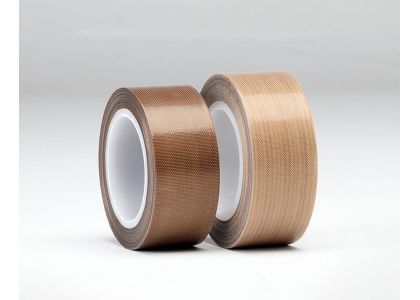
When a high-mix electronics assembly floor experienced intermittent ESD-related component failures, the corrective program focused on materials and control processes rather than quick fixes. The team standardized on a single trusted ptfe glass cloth tape manufacturer, trialed teflon glass cloth tape overlays on benches and carriers, specified best quality ptfe glass cloth tape for high-wear fixtures, verified lot consistency at the ptfe glass cloth tape factory, and negotiated ptfe glass cloth tape wholesale terms to lock lot continuity. That combination—single-source trials, measurable instrumentation, and procurement controls—turned a chronic quality issue into repeatable improvement.
Modern components are fragile: shrinking geometries and tighter tolerances make even small discharges catastrophic. Materials at contact and handling points influence triboelectric generation. Low-friction PTFE surfaces reduce charge accumulation and improve seating repeatability. Choosing a teflon glass cloth tape grade with documented surface resistivity and thermal ratings reduces surprises during reflow, handling, and cleaning.
A PTFE laminate on a glass-cloth carrier creates a low-energy surface with excellent dimensional stability. When applied to benches, carriers, and fixture pads, teflon glass cloth tape lowers frictional charging and stabilizes micro-motion of boards. A reputable ptfe glass cloth tape manufacturer will provide surface resistivity measurements, dissipation times, adhesive residue test results and temperature ratings so you can match products to process conditions.
Procurement and engineering teams should demand objective data from suppliers and the ptfe glass cloth tape factory:
Surface resistivity and dissipation time under standard test protocols.
Dielectric breakdown and continuous-use temperature (vital near selective solder or reflow).
Adhesive peel strength, residue characterization and removal cycles.
Cleanroom compatibility and particle shedding limits.
Specifying these metrics up front avoids field surprises and supports QA acceptance.
Run in-situ trials rather than relying solely on lab sheets. Install candidate materials on representative benches, instrument them with ESD event counters, and run normal shifts for 2–4 weeks. Acceptance criteria should include ESD event reduction, adhesive residue behavior, wear metrics and ease of replacement. Negotiate ptfe glass cloth tape wholesale terms that secure lot continuity—consistent lots are often the single biggest factor in reproducible behavior.
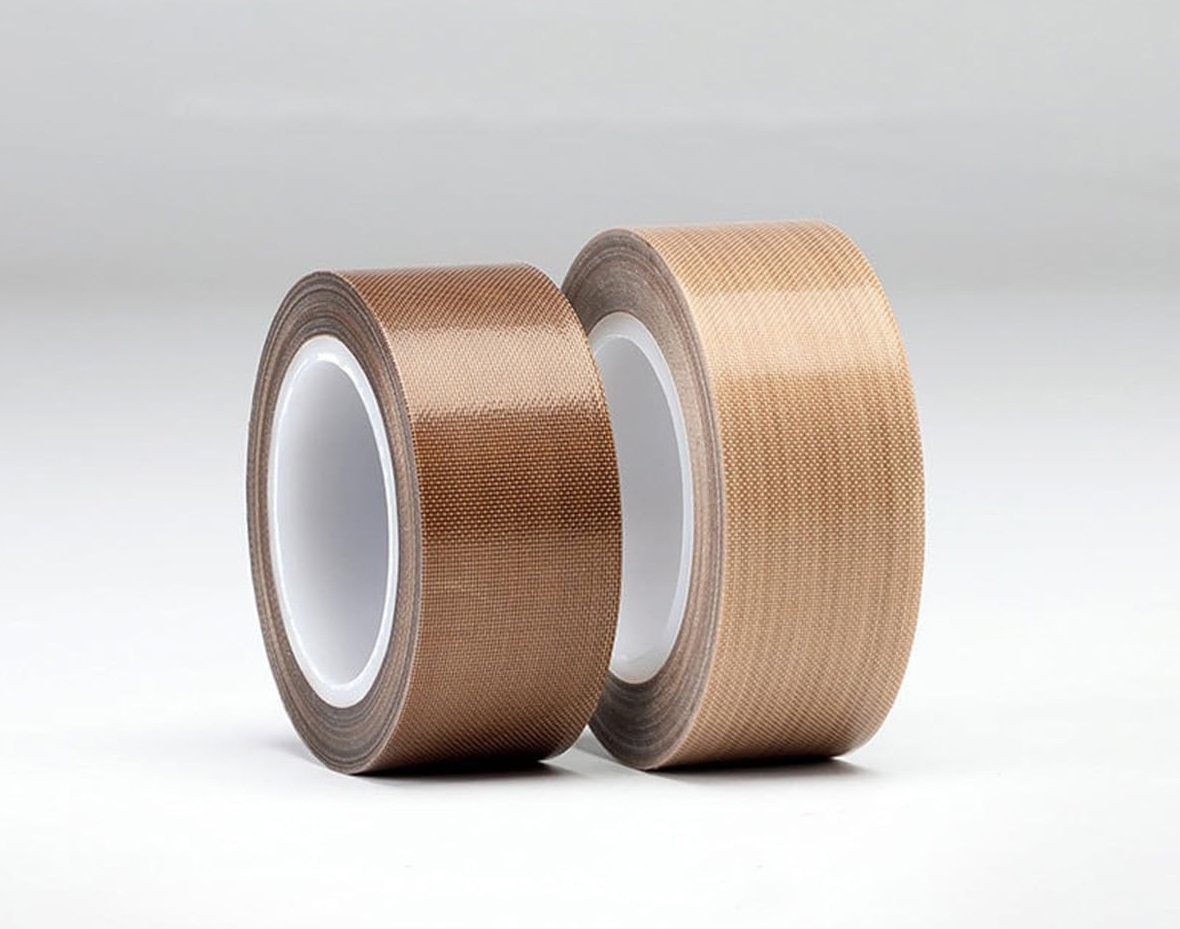
A pragmatic protocol: equip three identical benches—one control and two candidates—instrument with ESD counters, log events across shifts, perform adhesive residue wipe tests, and run thermal soak cycles. Compare defect rates and compute ROI (rejects avoided vs. material cost). These results strengthen procurement justification for best quality ptfe glass cloth tape purchases.
Material performance depends on technician behavior. Train staff to avoid dragging boards across seams, to report edge lift immediately, and to follow defined removal/reapplication procedures. Incorporate handling guidance from the ptfe glass cloth tape manufacturer into SOPs and inspections.
PTFE overlays are a tool, not a complete solution. Combine teflon glass cloth tape use with wrist straps, grounding verification, ionization and process controls. Coordinate ionizer placement and grounding checks to complement the material effect for maximal reduction of triboelectric events.
Case: “[CLIENT X — EMS facility, Shenzhen — 09/2025] replaced mixed mats with teflon glass cloth tape bench overlays and saw a 55% reduction in ESD rejects over nine months; adhesive residue incidents dropped to zero after switching to a best quality ptfe glass cloth tape lot verified at the ptfe glass cloth tape factory.”
Premium PTFE tapes cost more per roll but lower total cost of ownership by reducing rejects, rework and cleaning time. Negotiate ptfe glass cloth tape wholesale contracts to lock price and lot control, and require certificates of analysis from your ptfe glass cloth tape manufacturer.
Some factories now offer engineered surface resistivity gradients and low-residue adhesive chemistries—these can reduce ESD without introducing conductive paths near sensitive circuits. Validate any new claims with in-situ trials.
Effective ESD control blends proven materials, disciplined application, instrumentation and supplier management. By partnering with a verified ptfe glass cloth tape manufacturer, selecting teflon glass cloth tape for critical areas, insisting on best quality ptfe glass cloth tape, verifying production at a reputable ptfe glass cloth tape factory, and locking supply through ptfe glass cloth tape wholesale agreements, assembly teams can reduce ESD events, increase yield and stabilize daily operations.