
info@jxgreentape.com
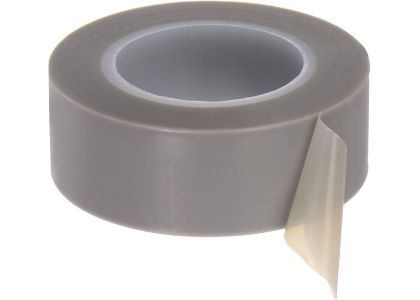
In modern industrial manufacturing, achieving reliable adhesion is essential for both product quality and operational efficiency. Materials such as ptfe resin skived tape, skived ptfe adhesive tape, and adhesive-backed PTFE film tape have become trusted solutions for applications that demand a secure bond yet require clean removal when necessary. In electrical insulation and high-voltage environments, PTFE Electrical Tape delivers dependable performance, while skived ptfe tape adds mechanical protection and stability. Together, these advanced tapes form a versatile toolkit for engineers and technicians seeking to balance strength, durability, and ease of maintenance in sectors ranging from aerospace to electronics.
The science of adhesion combines material chemistry, surface engineering, and application technique. Ptfe resin skived tape is engineered with high-grade resins that create a strong, consistent bond even under thermal cycling or chemical exposure. When paired with skived ptfe adhesive tape, the result is a combination of high adhesion strength and controlled removability—ideal for processes that require temporary protection or repositioning.
Adhesive-backed PTFE film tape is manufactured with precision surface treatments to enhance bonding to metals, plastics, and composites without sacrificing the ability to peel away cleanly. In electrical applications, PTFE Electrical Tape ensures insulation integrity, while skived ptfe tape provides an extra layer of abrasion resistance, helping maintain performance in dynamic or high-stress environments.
From a technical perspective, ptfe resin skived tape offers:
Skived ptfe adhesive tape is optimized for applications where a strong bond is needed temporarily—such as masking during coating or protecting surfaces during assembly. Adhesive-backed PTFE film tape combines these benefits with easy application, conforming to irregular shapes while resisting moisture and wear.
In high-voltage systems, PTFE Electrical Tape provides dielectric strength and heat resistance, while skived ptfe tape can be layered to protect wiring harnesses or moving components without compromising flexibility.
To maximize performance:
Surface preparation – Clean and dry substrates to remove dust, oils, or residues.
Application technique – Apply ptfe resin skived tape or skived ptfe adhesive tape with consistent pressure to ensure full contact.
Avoiding defects – For adhesive-backed PTFE film tape, prevent air bubbles or wrinkles that could weaken adhesion.
Electrical safety – When using PTFE Electrical Tape, maintain proper overlap and tension to ensure insulation integrity.
Protective layering – Use skived ptfe tape as an overlay to reduce wear on high-contact surfaces.
Removal should be slow and even to prevent substrate damage. Even though these tapes are designed for residue-free removal, following manufacturer guidelines ensures optimal results.
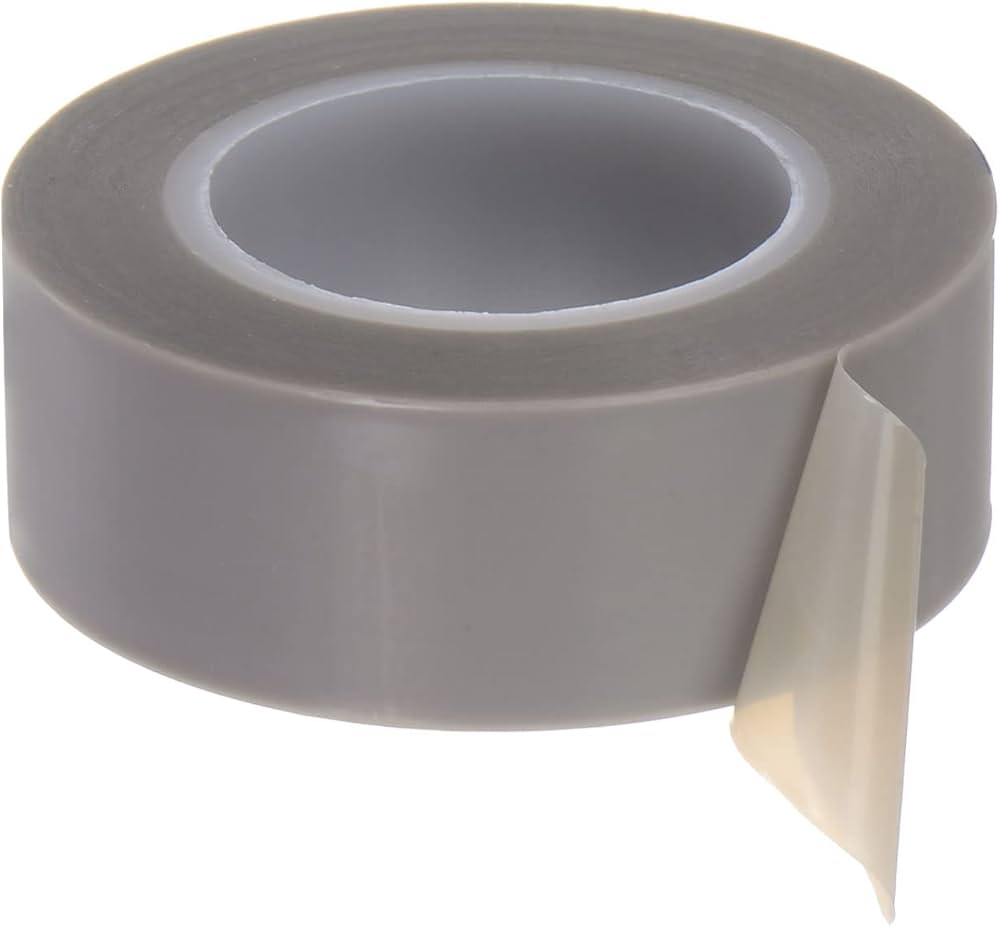
Aerospace Manufacturing – A leading aerospace firm integrated ptfe resin skived tape into its assembly process to secure delicate components during transport. Adhesion consistency improved, and rework due to shifting parts dropped by 20%.
Automotive Assembly – An automotive supplier adopted skived ptfe adhesive tape for aligning trim pieces. The low-friction surface allowed precise adjustments without damaging finishes, improving fit quality and reducing scrap rates.
Electronics Production – In PCB assembly, adhesive-backed PTFE film tape was used to mask sensitive areas during soldering, reducing contamination. Plants using PTFE Electrical Tape reported fewer insulation failures, while skived ptfe tape added abrasion resistance to cable harnesses in high-movement zones.
While premium products like ptfe resin skived tape or skived ptfe adhesive tape may have higher initial costs, their durability and reliability often lead to lower total cost of ownership. Reduced downtime, fewer replacements, and less rework translate into measurable savings.
Adhesive-backed PTFE film tape extends maintenance intervals by resisting wear in high-contact areas. For companies relying on PTFE Electrical Tape, preventing electrical faults improves safety and avoids costly repairs. Skived ptfe tape further enhances operational efficiency by protecting components from premature wear.
Common challenges include ensuring bubble-free application and achieving consistent adhesion across different substrates. Controlled environments and proper tools help mitigate these issues. Even with residue-free designs, improper removal of ptfe resin skived tape or skived ptfe adhesive tape can leave traces—highlighting the importance of training and adherence to best practices.
Manufacturers are refining adhesive-backed PTFE film tape and related products to improve coating uniformity and adhesive performance. Research into new resin blends and surface treatments aims to make PTFE Electrical Tape and skived ptfe tape even more reliable under extreme conditions.
Advances in material science are expected to yield ptfe resin skived tape with higher temperature tolerance, improved chemical resistance, and enhanced flexibility. Skived ptfe adhesive tape may benefit from new adhesive chemistries that allow cleaner removals without sacrificing bond strength.
For adhesive-backed PTFE film tape, next-generation products could integrate anti-static properties or embedded wear indicators. PTFE Electrical Tape is likely to see improved dielectric performance, while skived ptfe tape could expand into robotics, renewable energy, and other emerging sectors.
Reliable adhesion is a foundation of industrial success. By selecting the right combination of ptfe resin skived tape, skived ptfe adhesive tape, adhesive-backed PTFE film tape, PTFE Electrical Tape, and skived ptfe tape, manufacturers can achieve secure bonding, protect sensitive components, and streamline maintenance.
The key lies in pairing high-quality materials with proper application techniques and continuous quality control. As technology evolves, these tapes will continue to set new benchmarks for performance, helping industries maintain a competitive edge in demanding markets.