
info@jxgreentape.com
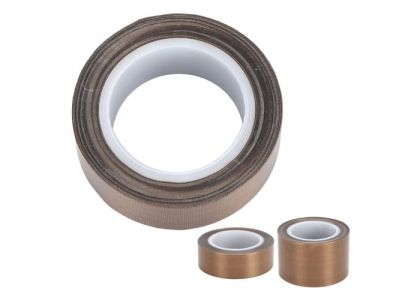
In modern industrial packaging operations, maintaining continuous production efficiency is paramount for profitability and competitiveness. PTFE Coated Fiberglass Cloth Tape has established itself as an essential component in high-volume bagging lines, offering unparalleled performance in demanding packaging environments. The unique properties of PTFE Glass Fabric Tape make it particularly valuable for applications requiring heat resistance, non-stick characteristics, and durability. For operations considering where to Buy PTFE Fiberglass Tape, understanding the material's capabilities and sourcing options becomes crucial to implementation success. Many manufacturers now seek Customized PTFE Coated Glass Cloth Tape solutions tailored to their specific equipment and process requirements, recognizing that standard offerings may not always address unique operational challenges. This comprehensive examination explores how these specialized tapes contribute to bagging line efficiency, reduce maintenance requirements, and ultimately enhance production outcomes.
The implementation of PTFE Coated Fiberglass Cloth Tape in bagging operations provides multiple distinct advantages that directly impact production metrics:
These characteristics make PTFE Glass Fabric Tape particularly valuable for form-fill-seal machines, vertical bagging equipment, and other high-speed packaging systems where reliability directly impacts output.
Choosing the appropriate tape specification requires careful evaluation of several operational factors:
Temperature Requirements: Determine maximum exposure temperatures and duration to select appropriate grade
Surface Compatibility: Consider the tape's interaction with both packaging materials and equipment surfaces
Width and Thickness: Match physical dimensions to specific application requirements and equipment specifications
Adhesive Properties: Select appropriate adhesive systems based on surface materials and operating conditions
Regulatory Compliance: Verify food-grade or other necessary certifications for specific industries
Operations planning to Buy PTFE Fiberglass Tape should consult with technical specialists to ensure proper specification matching for their particular equipment and processes.
The availability of Customized PTFE Coated Glass Cloth Tape enables manufacturers to optimize tape performance for their unique operational requirements. Customization options typically include:
These customization possibilities allow packaging operations to address specific challenges such as unusual equipment configurations, unique product characteristics, or specialized processing requirements.
Food Packaging Operation Enhancement
A large-scale snack food manufacturer experienced frequent production interruptions due to product buildup on heat sealing jaws. After implementing a specialized PTFE Coated Fiberglass Cloth Tape with enhanced non-stick properties, they achieved a 40% reduction in cleaning downtime and a 15% increase in overall equipment effectiveness. The tape's thermal stability also allowed for higher sealing temperatures, improving package integrity while reducing seal failure rates.
A pharmaceutical packaging facility dealing with moisture-sensitive products required improved sealing reliability while maintaining strict cleanliness standards. By working with suppliers to develop Customized PTFE Coated Glass Cloth Tape with FDA-compliant materials and specific surface characteristics, they achieved a 30% improvement in seal consistency while reducing particulate generation. The solution also provided better chemical resistance to sterilization processes, extending maintenance intervals significantly.
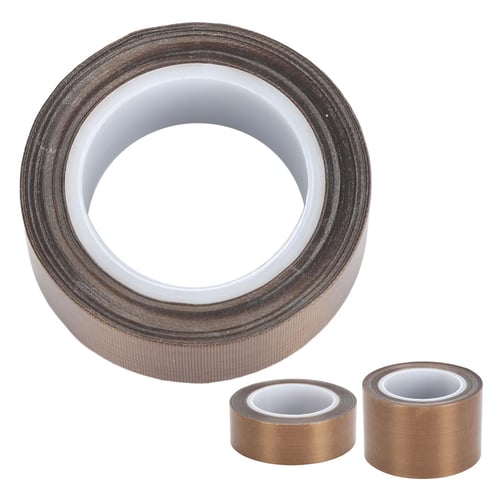
When preparing to Buy PTFE Fiberglass Tape, several factors warrant careful consideration:
Supplier Technical Expertise: Choose suppliers with demonstrated application knowledge and problem-solving capabilities
Quality Assurance Systems: Verify that manufacturers maintain consistent quality through rigorous process controls
Sample Availability: Reputable suppliers typically provide evaluation samples for testing before commitment
Lead Time Considerations: Assess manufacturing and delivery timelines against production requirements
Technical Support Availability: Ensure access to engineering support for installation and troubleshooting
Establishing relationships with technically proficient suppliers often yields better long-term results than simply selecting based on price considerations alone.
Successful implementation of PTFE Glass Fabric Tape requires attention to several operational aspects:
Surface Preparation: Proper cleaning and preparation of application surfaces significantly impact tape performance and longevity
Installation Techniques: Correct application methods ensure optimal performance and prevent premature failure
Maintenance Scheduling: Establish regular inspection intervals based on operational severity and historical performance data
Performance Monitoring: Track key metrics such as changeout frequency, maintenance costs, and production impact to evaluate tape effectiveness
Employee Training: Ensure operational staff understand proper handling and installation procedures
These practices help maximize the return on investment in high-performance tape solutions while minimizing operational disruptions.
PTFE Coated Fiberglass Cloth Tape represents a sophisticated solution for enhancing performance in high-volume bagging operations. Its unique combination of properties addresses multiple challenges common in packaging environments, from heat management to contamination control. When selecting these materials, packaging professionals should consider both immediate operational requirements and long-term performance objectives.
The availability of Customized PTFE Coated Glass Cloth Tape enables solutions tailored to specific operational challenges, while established sourcing channels make it increasingly accessible to operations of various scales. As packaging technologies continue to advance, the role of specialized materials like PTFE Glass Fabric Tape in maintaining efficient, reliable operations will only grow in importance. By understanding the material's capabilities and implementing it effectively, packaging operations can achieve significant improvements in productivity, quality, and overall equipment effectiveness.