
info@jxgreentape.com
Selecting the correct tape for high voltage insulation is a critical decision in electrical engineering, industrial manufacturing, and infrastructure development. Among the many insulation materials available, Glass Cloth Adhesive Tape and aluminum foil tape stand out as common yet specialized options. However, their usage, performance, and durability vary significantly based on application environments and technical requirements. Professionals handling OEM bulk glass cloth tape sourcing, or those searching for trusted glass cloth tape suppliers, must understand the technical nuances of both products to ensure safety, performance, and regulatory compliance in high-stress and high-temperature installations. In this guide, we analyze the structural and functional differences to help you make the right choice for your insulation challenges.
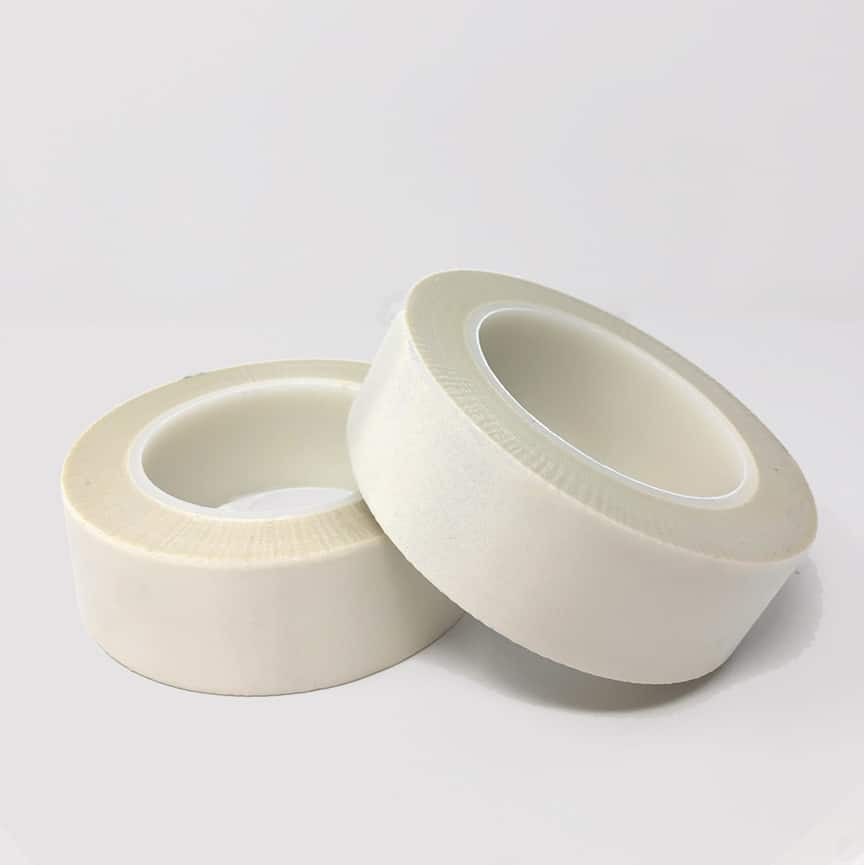
Glass Cloth Adhesive Tape is manufactured using woven fiberglass substrate bonded with a heat-resistant pressure-sensitive adhesive. The result is a high-performance insulation tape that excels in applications exposed to elevated temperatures, continuous electrical load, and abrasive mechanical wear.
Key Features:
Exceptional Temperature Resistance: Glass cloth tape functions continuously at temperatures up to 260°C, maintaining structural integrity and adhesion in high-heat zones.
Superior Dielectric Strength: Offers reliable voltage insulation, minimizing the risk of short circuits and breakdown in transformers, motors, and electronic assemblies.
Robust Tensile Strength: The reinforced fiberglass weave provides high tensile capacity, ensuring durability against stretching or tearing under stress.
Excellent Chemical Resistance: Tolerates exposure to solvents, oils, and chemicals without adhesive failure or tape degradation.
Applications:
Electrical Coil Wrapping: Safeguards the windings in motors, generators, and high-voltage transformers.
Wire Harness Protection: Bundles and insulates wires in aerospace and industrial control panels.
PCB and Powder Coating Masking: Withstands soldering temperatures and resists thermal damage during processing.
Thermal Shielding and Spacer Layers: Functions as a non-conductive barrier between sensitive components.
Glass Cloth Adhesive Tape is often preferred in bulk by OEMs due to its multi-functionality and ability to meet global certification standards. As a result, trusted glass cloth tape suppliers frequently stock a wide range of widths, adhesives, and roll lengths to meet varying industry requirements.
Aluminum foil tape is composed of a thin aluminum backing and pressure-sensitive adhesive layer, optimized for environments that demand heat reflection, moisture sealing, and electromagnetic shielding. Though widely used in HVAC and electronics, it lacks the electrical insulation properties of fiberglass-based tapes.
Key Features:
High Thermal Reflectivity: Reflects radiant heat effectively, providing temperature control and thermal dissipation.
EMI/RFI Shielding Capabilities: Used to block electromagnetic and radio frequency interference, particularly in cable enclosures and equipment panels.
Corrosion Resistance: Aluminum backing resists moisture and environmental oxidation.
Easy Conformability: Adapts to irregular surfaces and edges with minimal effort.
Applications:
Duct Sealing in HVAC Systems: Prevents air leaks and improves energy efficiency.
Cabling and Signal Enclosure Shielding: Protects sensitive electronics from external signal interference.
Thermal Insulation in Appliances: Applied inside panels to reduce heat absorption and promote safe operation.
While aluminum foil tape has valuable properties for certain environments, it is typically not used in high-voltage electrical insulation due to its low dielectric strength and risk of conductivity.
To choose the correct product, it's essential to understand how each tape performs across key technical parameters:
|
Feature |
Glass Cloth Adhesive Tape |
Aluminum Foil Tape |
|
Temperature Resistance |
Up to 260°C |
Up to 150°C |
|
Electrical Insulation |
High dielectric performance |
Low dielectric performance |
|
Thermal Conductivity |
Low (insulates against heat) |
High (conducts and reflects heat) |
|
EMI Shielding |
Not designed for EMI |
Excellent EMI/RFI barrier |
|
Mechanical Durability |
Excellent tensile and abrasion resistance |
Susceptible to tearing, crinkling |
|
Chemical Resistance |
High |
Moderate |
|
Surface Conformability |
Moderate |
High |
|
Typical OEM Usage |
High-voltage systems, insulation wraps |
HVAC, signal shielding, appliance enclosures |
This table confirms that Glass Cloth Adhesive Tape is ideal for electrical and thermal insulation under high stress, while aluminum foil tape is suited to thermal management and EMI protection in non-electrical environments.
Case 1: High-Voltage Transformer Manufacturing
A multinational energy OEM required robust coil insulation tape for a 20kV-rated dry transformer. After evaluating alternatives, engineers opted for Glass Cloth Adhesive Tape due to its proven resistance to thermal cycling and high dielectric strength. Sourced from a trusted glass cloth tape supplier, the bulk tape rolls were customized into precision widths to streamline application during automated coil wrapping. Performance testing over 12 months revealed no degradation under continuous operation.
Case 2: Aerospace Electronics EMI Management
A defense contractor integrated aluminum foil tape into the avionics bay of a jet, using it to line signal cable trays for EMI suppression. The tape's conductivity and flexible backing made it ideal for complex routing. However, for thermal shielding around ignition units, they reverted to Glass Cloth Adhesive Tape due to its non-conductivity and temperature resilience.
Case 3: HVAC System Overhaul in Tropical Climate An industrial complex upgraded its ventilation system with aluminum foil tape applied to duct seams and joints. The reflective tape reduced cooling loss and prevented water ingress during humid months. The contractor selected a high-tack adhesive model to ensure permanent bonding despite condensation.
Choosing between glass cloth and aluminum foil tape should also factor in sourcing capabilities, regulatory standards, and project-specific logistics. For professionals involved in OEM bulk glass cloth tape procurement, working with trusted glass cloth tape suppliers offers several advantages:
Product Traceability and Quality Certification
Customization Services (Slitting, Die-Cutting, Laminating)
Volume Flexibility with Global Shipping Support
Suppliers experienced in serving critical sectors such as energy, electronics, and automotive can provide tailored solutions that optimize insulation performance, minimize downtime, and ensure compliance with standards such as UL510, RoHS, and REACH.
Glass cloth and aluminum foil tapes serve essential but distinct roles in industrial and electrical applications. For high-voltage insulation, Glass Cloth Adhesive Tape remains the superior choice due to its heat tolerance, dielectric strength, and mechanical reliability. Aluminum foil tape, while invaluable for thermal reflection and EMI shielding, is better suited to non-electrical uses.
Professionals working on mission-critical systems should rely on qualified materials from trusted glass cloth tape suppliers and plan their usage in collaboration with manufacturers who offer OEM bulk glass cloth tape solutions. By aligning tape properties with performance demands, businesses can ensure system longevity, efficiency, and safety in any environment.