
info@jxgreentape.com
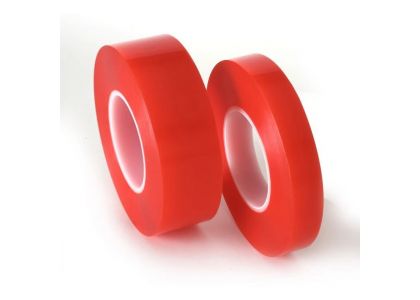
In fast-paced industrial environments, technicians depend on reliable adhesives like pet acrylic double sided tape for secure, repeatable assemblies. Whether a job calls for tailored lengths of custom double sided pet tape, robust holding with industrial grade PET Mounting Tape, bulk supply from OEM bulk PET Double-Sided Mounting Tape, a neat finish using premium quality Two Sided Adhesive Tape, or throughput advantages offered by volume PET Mounting Tape, these PET-based products deliver consistent performance across many substrates. This guide explains practical, production-proven steps to prepare surfaces, apply tape, troubleshoot common problems, and document results for quality control.
Preparation is the single biggest determinant of a long-lasting bond. Remove oil, dust, and moisture with manufacturer-approved solvents, then finish with a dry wipe. Match surface texture to the tape type — smooth, clean metal behaves differently from painted or powder-coated surfaces — and mark accurate locations before applying any adhesive. Use calibrated measuring tools and plan the workflow so each technician follows the same sequence; consistency reduces human error on every run.
A reliable, repeatable method reduces rework and downtime:
Step 1 — Surface preparation: Clean, dry, and, if recommended, prime the surface to maximize adhesion.
Step 2 — Tape sizing: Measure and cut the tape to spec. For high volumes, pre-cut strips or dispenser systems save time.
Step 3 — Application: Apply the tape with even alignment. For large parts, tack one side, check positioning, then press across the length.
Step 4 — Pressing and rolling: Use a rubber roller or automatic roller to apply uniform pressure and remove air pockets. Consistent pressure improves peel and shear performance.
Step 5 — Final bonding: Mate parts and apply final pressure. For some tapes, a short dwell under pressure increases bond strength.
Misalignment and premature adhesion are frequent on busy lines. Use low-tack trial tapes or tack the adhesive lightly until final positioning is confirmed. If bubbles appear, roll outward from the center; for trapped air that won’t roll out, a tiny puncture followed by smoothing can be effective. When adhesion seems inconsistent, recheck surface cleanliness and environmental conditions (temperature and humidity) and consult the tape’s technical data sheet (TDS) for recommended priming or cure time.
Always follow safety guidance on the Safety Data Sheet (SDS). Wear gloves and eye protection, and ensure adequate ventilation when solvents or primers are used. Keep cutting tools sharp and calibrated to prevent ragged edges that can cause lifting. For automated lines, regularly verify roller pressure and knife blade alignment to reduce material waste and inconsistent bonds.
Quick, methodical corrections save assemblies:
Misalignment correction: Lift the tape edge gently (if the product allows) and reposition, then re-roll with even pressure.
Adhesive uniformity issues: Inspect surface residues and repeat the cleaning sequence; consider a primer when recommended by the manufacturer.
Low initial tack: Allow time for the adhesive to settle, or use a higher-tack grade if the substrate is difficult.
Technicians report notable throughput gains after standardizing tape handling and introducing simple fixtures for alignment. On high-volume lines, switching to pre-spooled or pre-cut OEM bulk PET Double-Sided Mounting Tape reduced changeover time; in maintenance settings, premium quality Two Sided Adhesive Tape helped achieve cleaner visible joints with less rework.
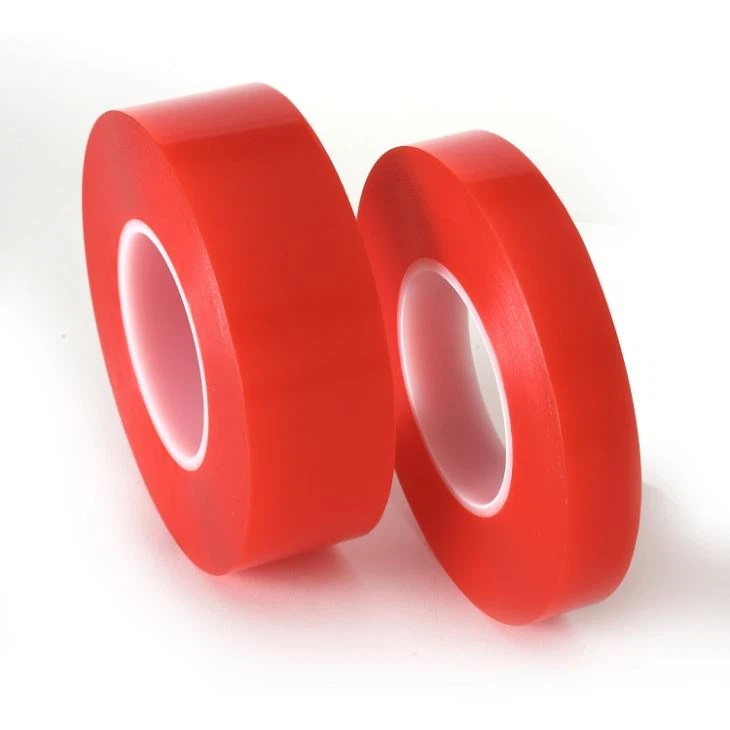
Compared with mechanical fasteners, PET acrylic adhesives often cut assembly time and remove the need for drilling or secondary finishing. The biggest advantages are speed, cleaner aesthetics, and fewer stress concentrations — provided surfaces are prepared and the correct tape grade is selected.
Adhesive formulations continue to improve: manufacturers are designing tapes that tolerate rougher surfaces and shorter bonding cycles. Keep an eye on technical updates from suppliers and new TDS revisions that document improved peel, shear, or temperature resistance.
A dependable installation process combines the right product selection, consistent surface preparation, and clear operator procedures. When teams standardize on the correct grade of pet acrylic double sided tape and follow documented steps — from surface prep to final rolling — installations become more repeatable, safer, and cost-effective. That operational discipline is what turns a good adhesive into a reliable assembly process.
Adopting proven application methods and documenting results is essential for competitive industrial operations. Use manufacturer TDS and SDS documents, keep a simple QC log (peel tests, visual inspection), and train staff on consistent techniques — doing so will extend service life, reduce callbacks, and improve throughput.