
info@jxgreentape.com
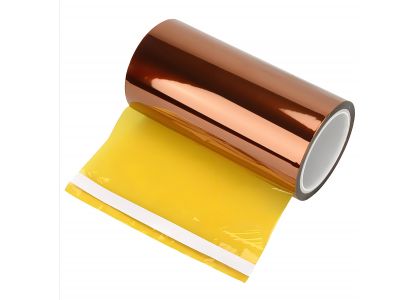
Kapton tape is well-known for its exceptional versatility and performance, especially in extreme environments. It is made from polyimide film, a material that exhibits unique properties like high-temperature resistance, electrical insulation, and remarkable durability. From wrapping cable harnesses to use in 3D printing and thermal conductivity applications, Kapton tape is critical in industries ranging from electronics to aerospace. In this article, we will explore how Kapton tape, particularly its polyimide film, performs under various extreme conditions. Additionally, we will delve into its uses, benefits, and the significance of its properties like its heat resistance, low static behavior, and customizable forms.
Polyimide film, often seen as the backbone of high-performance Kapton tape, has become indispensable in modern manufacturing, particularly in extreme environments where temperature fluctuations, electrical isolation, and mechanical stresses are prominent. Polyimide film's thin black version, for example, offers a robust solution for thermal insulation, which is crucial in aerospace and electronics. The excellent dielectric strength of this material makes it suitable for applications such as electrical isolation in sensitive systems, where minimal interference is required.
Kapton tape's resistance to high temperatures makes it a popular choice for NVMe SSD applications, where the tape provides crucial thermal management, preventing overheating in tight spaces. Additionally, the custom polyimide film variant, tailored for specific needs, adds to its appeal, allowing industries to create personalized solutions that meet the challenges of various manufacturing and technical applications.
Kapton tape is widely known for its high thermal conductivity and heat-resistant properties. The polyimide film in Kapton tape is designed to withstand temperatures as high as 260°C (500°F), making it ideal for applications in extreme heat, such as those found in spacecraft or industrial machinery. Custom polyimide films can also be designed to enhance these thermal properties for specialized uses.
The combination of heat resistance and electrical isolation makes Kapton tape especially important in scenarios where heat and electrical interference are prominent. This ensures that sensitive components, such as the PCB (printed circuit board), remain protected from extreme conditions. Furthermore, the insulating capabilities of Kapton tape make it a reliable choice for wrapping cable harnesses, ensuring the integrity of wiring systems even under harsh operating conditions.
Another notable property of Kapton tape is its electrical insulation. Kapton tape's polyimide film is inherently non-conductive, which allows it to serve as a reliable dielectric in high-voltage applications. This makes it suitable for use in industries where electronic components must be shielded from electrical surges or where high-voltage resistance is required.
The ESD (electrostatic discharge) properties of Kapton tape are also of significant value, particularly in the electronics and semiconductor industries. The low static build-up and controlled adhesion properties of the material help prevent potential damage to delicate electronic components. Furthermore, the availability of low static Kapton adhesive tape ensures that manufacturing environments can remain free from harmful electrostatic discharges, a crucial consideration in industries like semiconductor fabrication.
Custom polyimide films offer manufacturers the ability to tailor Kapton tape to meet specific needs, such as modifying thickness, color, adhesive strength, and dielectric properties. This versatility makes it invaluable in various fields, from automotive to telecommunications. Custom Kapton polyimide films, for instance, can be engineered to meet particular demands in thermal management or electrical insulation, enhancing the overall functionality and lifespan of products.
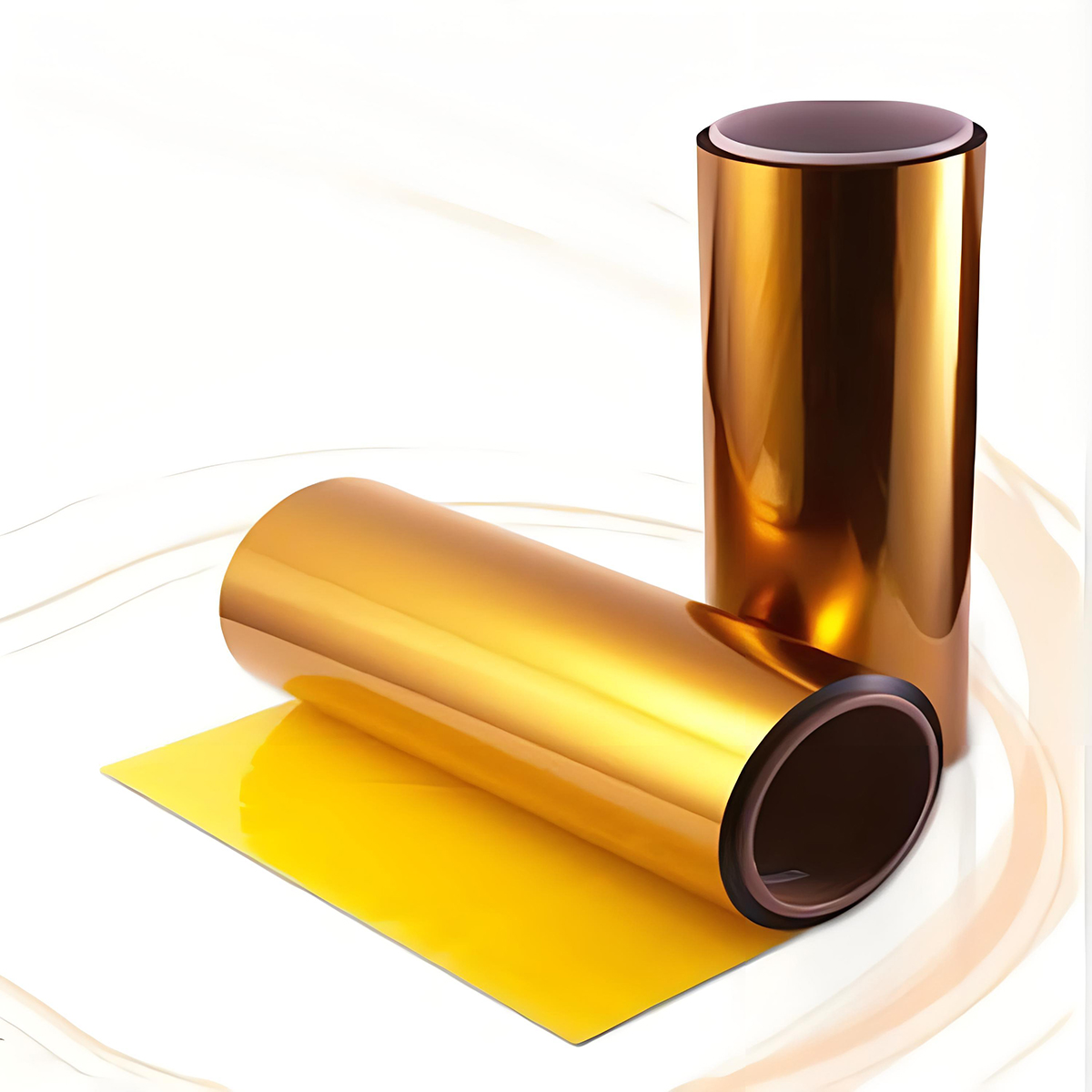
In recent years, Kapton tape has found its place in the realm of 3D printing. Due to its ability to withstand high temperatures, it is commonly used as a build surface for 3D printers. The tape's polyimide properties allow for excellent adhesion to the heated bed, ensuring that prints stay firmly in place during the printing process. Its superior thermal conductivity also ensures that heat is evenly distributed across the surface, reducing the risk of warping in printed objects.
Kapton tape's non-conductive properties in 3D printing applications further enhance its appeal, as it minimizes the risk of short circuits and electronic malfunctions during the printing process. Moreover, as the demand for high-precision 3D printed components increases, the role of Kapton tape as a stable and durable surface for printing continues to grow.
Kapton tape has earned a solid reputation in the electronics industry due to its superior dielectric strength and ability to insulate delicate components. The tape's non-conductive polyimide film ensures that electrical components are safely isolated, preventing short circuits and protecting sensitive electronics from electrical interference.
This feature makes it ideal for a range of electronic applications, including the protection of PCBs, where it is used as a protective mask for components that require high-precision soldering. Additionally, its thermal insulation properties ensure that heat-sensitive parts, such as capacitors and resistors, remain within safe temperature ranges, ultimately enhancing the reliability and performance of electronic devices.
In the automotive industry, Kapton tape serves as an essential tool for both electrical insulation and thermal management. Automotive wiring systems, which are exposed to fluctuating temperatures, benefit greatly from Kapton tape’s ability to resist high heat and provide stable insulation. Custom Kapton polyimide films, tailored for automotive use, further enhance the tape’s effectiveness, ensuring that it withstands the demanding conditions of engine compartments and other high-temperature areas.
Kapton tape continues to be an essential material in extreme environments due to its superior thermal, electrical, and mechanical properties. Whether it’s used in NVMe SSDs, 3D printing, automotive applications, or electronics, Kapton tape proves time and again to be a reliable and versatile material. Custom polyimide films and other specialized forms of Kapton tape allow for further optimization, making it a go-to choice for industries that require precision, durability, and performance under extreme conditions.