
info@jxgreentape.com
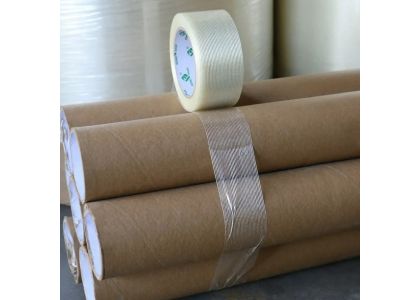
When protecting heavy, awkward, or fragile home appliances in shipping and warehousing, the choice of adhesive and reinforcement matters as much as the carton itself. Filament tape—a pressure-sensitive tape reinforced with glass or synthetic filaments—combines high tensile strength and strong adhesive performance to resist shear, tearing, and load movement. Working with a reputable filament tape manufacturer and a dependable filament tape supplier reduces short-shipped items, damaged returns, and the hidden costs of transit failures. Whether you source from a specialized filament tape factory for custom widths and adhesive systems or buy standard rolls from a distributor, the right partnership prevents damage and improves your logistics KPIs.
A true filament tape manufacturer does more than run machines. Credible producers invest in raw-material sourcing, R&D on adhesive chemistries, and quality control processes—tensile testing, peel adhesion tests, and environmental aging to simulate humidity and temperature cycles. A professional filament tape factory will offer technical datasheets showing tensile strength per mm, filament orientation, adhesive type (acrylic, rubber-resin), and recommended application methods. These details matter: a tape with insufficient filament density or the wrong adhesive can fail when cartons are stacked, dropped, or exposed to extreme temperatures during a cross-country shipment.
A reliable filament tape supplier acts as an extension of your packaging team. They advise on the right reinforcement pattern (uni-directional vs. cross-woven), the adhesive profile for your carton surface (coated vs. untreated), and whether a primer or surface treatment is needed. A knowledgeable filament tape supplier will recommend testing on samples before full production runs and can arrange on-site application trials. By selecting the proper filament tape grade—high-tenacity filament for heavy appliances or abrasion-resistant variants for repeated handling—you significantly lower the probability of load shift, corner tearing, and sudden package failure.
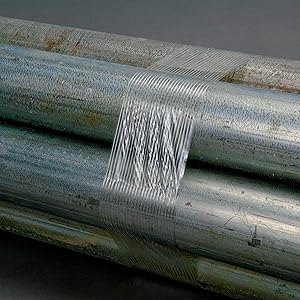
Picking a filament tape factory is a strategic decision. Key evaluation criteria:
• Technical capability: Do they control filament extrusion, adhesive formulation, and lamination in-house? A vertically integrated filament tape manufacturer yields better consistency.
• Quality systems: Look for ISO 9001 (quality management), SGS / third-party lab test reports, and traceable batch records. A factory with robust QC reduces variance between lots.
• Customization and MOQ: Can the filament tape factory supply custom widths, core sizes, and printed branding at realistic minimums for your business?
• Samples and testing: Reputable filament tape suppliers offer free or low-cost samples and document test results (tensile, elongation, adhesive peel).
• Lead time and logistics: Can the factory meet seasonal peaks? Reliable supply chain performance prevents stockouts that otherwise force suboptimal tape choices.
• Sustainability and materials: Increasingly, brand teams prefer suppliers who can document material origin and offer low-VOC adhesives or recyclable cores. A transparent filament tape manufacturer will share this information.
The right filament tape affects more than package integrity—it protects brand reputation, reduces freight insurance claims, and cuts rework costs in after-sales service. Examples of protective outcomes: reinforced tapes keep doors and drawers of appliances locked during transit; high-adhesion formulations prevent edge lifting on corrugated boxes that undergo vibration; filament arrays aligned with load vectors prevent catastrophic split-tear when packages are hung or stacked. That is why procurement teams should require performance guarantees and conditional replacement policies from their filament tape supplier or filament tape factory—these contractual protections align incentives and lower total cost of ownership.
Case 1 — Mid-size Refrigerator Brand (simulated)
A regional appliance maker saw a 6% return rate from shipping dents and knocked-off handles. After switching to a filament tape manufacturer that supplied a cross-woven, high-tack acrylic filament tape, the brand reduced transit damage claims by 72% in three months. The factory provided lab tests and an on-site application trial; the filament tape supplier also helped train packers on correct seam placement.
Case 2 — Audio/TV Electronics Supplier (realistic simulation)
A consumer electronics distributor experienced uplift damage when pallets were double-stacked. They moved to a filament tape factory offering a higher filament count product with enhanced shear resistance. Combined with strategic corner reinforcements, the use of the improved filament tape cut product movement inside cartons and decreased screen replacement costs by 48% over two quarters.
Case 3 — Appliance Exporter (brief)
An exporter using weak general-purpose tape faced rejections at overseas hubs. Partnering with a certified filament tape supplier that supplied rolls with documented tensile and adhesive data helped them pass warehouse QA checks and reduced customs detention incidents related to damaged packaging.
Choosing a qualified filament tape manufacturer, verified filament tape supplier, or trusted filament tape factory is an investment in reliability. Technical due diligence—examining lab data, visiting production, and running application tests—pays off rapidly through fewer damage claims, lower freight handling costs, and improved customer satisfaction. When you standardize on the right filament tape, you protect product quality from the factory floor to the customer’s doorstep.