
info@jxgreentape.com
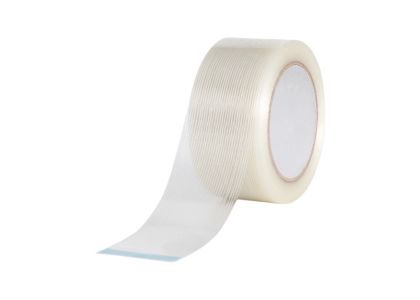
In logistics and packaging, pallet stabilization is essential for ensuring goods arrive safely and intact. Over time, various materials—such as Industrial-grade filament tape, stretch wrap, strapping, and reinforced tape—have been used to secure loads. Each has unique strengths and limitations. Among them, Filament Tape has gained prominence for its balance of strength, ease of use, and cost-effectiveness. When sourced from a reputable Filament tape factory or through Filament tape wholesale channels, it offers consistent quality and performance for both domestic and international shipments.
Industrial-grade filament tape is engineered with fiberglass filaments embedded in a strong backing, delivering exceptional tensile strength. This makes it ideal for high-demand sectors such as automotive, food distribution, and heavy manufacturing.
Key advantages include:
When purchased as Bulk filament tape from a trusted Filament tape exporter, businesses can secure large volumes at competitive rates without compromising quality.
Stretch wrap is valued for flexibility and coverage but lacks the tensile strength of Filament Tape. Stretch wrap is better suited for lighter loads or when dust and moisture protection is the priority.
In contrast, Filament Tape excels with heavier, irregularly shaped loads. Its tear resistance and high adhesion make it reliable for long-haul or rough-handling scenarios. Many companies now use both—stretch wrap for surface protection and Industrial-grade filament tape for structural stability.
Strapping—made from polyester, polypropylene, or steel—offers high strength but requires specialized tools and can be labor-intensive. Filament Tape applies quickly without heavy equipment, making it ideal for fast-paced operations.
Unlike strapping, which can loosen if loads shift, Filament Tape maintains consistent tension across the pallet. This reliability is particularly valuable in export shipments, where goods may be handled multiple times.
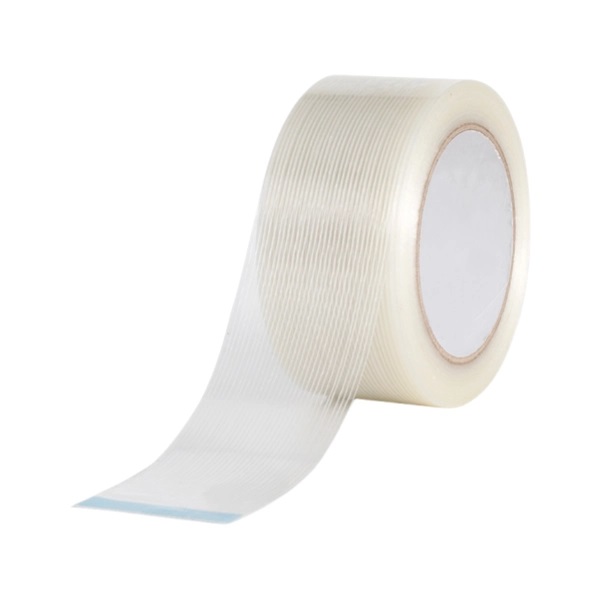
Both reinforced tape and Filament Tape are designed for heavy-duty use, but their construction differs. Filament Tape uses continuous fiberglass strands for superior tensile strength, while reinforced tape may use polyester or nylon threads.
In moisture-prone or chemically exposed environments, Industrial-grade filament tape generally outperforms due to its enhanced resistance. For high-value or fragile loads, it provides the extra security needed to prevent costly damage.
Case Study 1 – Automotive Parts Manufacturer A major auto parts producer replaced stretch wrap with Industrial-grade filament tape for securing engine components. The result was a 20% reduction in transit damage and faster pallet preparation times.
Case Study 2 – Food Packaging Company A national food distributor used Bulk filament tape from a certified Filament tape exporter to stabilize pallets of chilled goods. The tape’s temperature resistance ensured stability from cold storage to retail delivery.
Case Study 3 – Electronics Exporter An electronics manufacturer partnered with a Filament tape factory to develop a custom tape for overseas shipments. The high-tensile design prevented load shifting during sea freight, reducing claims by 30%.
Performance depends heavily on sourcing. A reputable Filament tape supplier should offer:
Working with an experienced Filament tape exporter or Filament tape factory ensures consistent quality and supply chain reliability.
Across industries, Filament Tape delivers unmatched strength, ease of application, and long-term cost benefits compared to stretch wrap, strapping, or standard reinforced tape. By sourcing from trusted Filament tape wholesale channels and aligning with a capable Filament tape supplier, companies can enhance load stability, reduce damage rates, and streamline logistics operations.