
info@jxgreentape.com
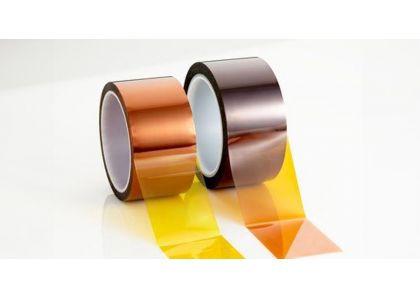
In today’s advanced manufacturing landscape, Polyimide Films—including the widely recognized Kapton Tapes—have become essential across industries ranging from electronics and aerospace to renewable energy and high-end consumer goods. Their exceptional thermal stability, electrical insulation, and mechanical durability make them the go-to choice for applications where other materials would fail.
As demand for specialized solutions grows, understanding the Polyimide Tape Price becomes critical for both manufacturers and procurement teams. This is especially true in sectors where light-sensitive performance and aesthetic quality are equally important. The cost of these materials is influenced by multiple factors: raw material sourcing, production technology, customization requirements, and the capabilities of PI Tape Suppliers.
In markets such as solar energy, wearable electronics, and designer consumer products, the right balance between performance and cost can determine a project’s success. This article examines how Kapton Tapes are priced, their role in light-sensitive and aesthetic applications, and how to work effectively with PI Tape Suppliers to achieve optimal results.
Light-sensitive applications demand materials that can withstand UV exposure, temperature fluctuations, and environmental stress without compromising performance. Polyimide Films excel in these conditions, making them indispensable in industries such as photovoltaics, optical instrumentation, and precision sensors.
The Polyimide Tape Price in these sectors is not just a budget line—it’s a performance indicator. Higher-grade Kapton Tapes often come with enhanced UV resistance, tighter thickness tolerances, and specialized adhesives that prevent light leakage or degradation. For example, in solar panel manufacturing, premium Polyimide Films are used to protect photovoltaic cells from both thermal and photonic damage, ensuring long-term efficiency.
Case Example 1: A mid-sized solar panel manufacturer in Southeast Asia faced premature efficiency loss in their modules due to UV-induced degradation. By switching to a competitively priced yet high-grade Kapton Tape sourced from experienced PI Tape Suppliers, they extended panel lifespan by over 20%, while keeping material costs within budget.
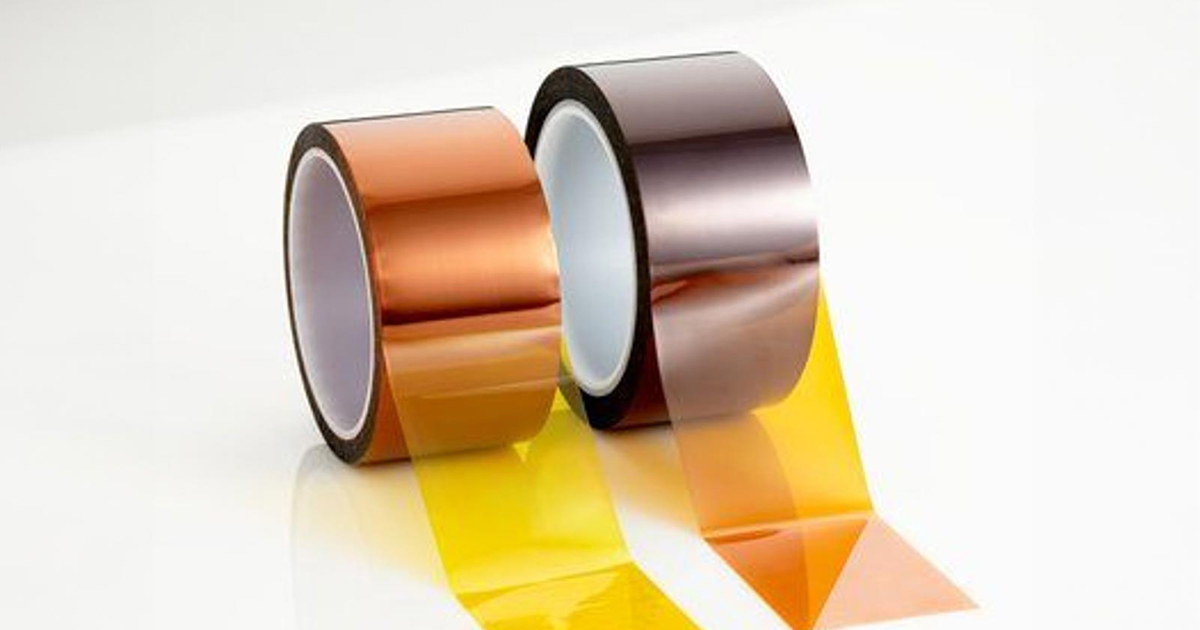
Beyond technical performance, Polyimide Films are increasingly valued for their role in aesthetic-driven products. Their amber-gold hue, smooth surface finish, and ability to accept custom printing or lamination make them suitable for visible components in consumer electronics, luxury packaging, and even fashion accessories.
In high-end headphones, for instance, Kapton Tapes are used not only for internal insulation but also as part of the visible design, offering a sleek, high-tech look that complements the product’s branding. Similarly, in the fashion-tech sector, designers integrate Polyimide Films into wearable devices, ensuring that the materials remain visually appealing even after exposure to heat during manufacturing.
Case Example 2: A European wearable tech startup collaborated with a PI Tape Supplier to develop a custom-printed Kapton Tape that matched their brand’s color palette. The result was a product that met both functional requirements—heat resistance during soldering—and aesthetic goals, helping the brand stand out in a crowded market.
Selecting the right manufacturer or PI Tape Supplier is a strategic decision. While Kapton Tapes are widely available, quality, consistency, and customization capabilities vary significantly.
Key factors to evaluate include:
Technical Expertise – Does the supplier understand the specific needs of light-sensitive or aesthetic applications?
Customization Options – Can they produce Polyimide Films in non-standard widths, thicknesses, or adhesive types?
Quality Assurance – Are they compliant with ISO, RoHS, and REACH standards?
Supply Reliability – Do they have a proven track record of meeting delivery schedules for both small and bulk orders?
Working with a trusted PI Tape Supplier can also open the door to R&D collaboration, enabling the development of tapes with unique properties tailored to your application.
Aerospace Industry In aerospace, Polyimide Films are used to insulate wiring, shield sensors, and protect delicate electronics from extreme temperatures and radiation. A satellite manufacturer partnered with a specialized PI Tape Supplier to source Kapton Tapes capable of withstanding both the vacuum of space and intense solar radiation. The result was a significant reduction in component failures during orbital missions.
Solar Energy Applications In the renewable energy sector, Polyimide Tape Price plays a pivotal role in balancing cost and performance. A solar farm developer sourced Polyimide Films from a wholesale distributor in China, achieving a 15% cost reduction without sacrificing quality. This allowed them to expand production capacity while maintaining competitive pricing for their end customers.
Consumer Electronics A premium smartphone brand integrated Kapton Tapes into both internal shielding and external design elements. By working closely with PI Tape Suppliers, they ensured that the tapes met strict thermal performance requirements while enhancing the device’s visual appeal.
The global supply chain for Polyimide Films involves multiple stakeholders: raw material producers, PI Tape Suppliers, Kapton Tape converters, and distributors. Each plays a role in determining the final Polyimide Tape Price.
In recent years, Chinese Polyimide Film factories have expanded capacity, offering competitive pricing and faster lead times. This has enabled global distributors to provide more affordable options without compromising quality. For buyers, understanding the supply chain can reveal opportunities for cost savings—such as sourcing directly from a manufacturer rather than through multiple intermediaries.
Additionally, some wholesalers now offer value-added services like die-cutting, slitting, and custom packaging, allowing clients to receive ready-to-use Kapton Tapes tailored to their production lines.