
info@jxgreentape.com
In the demanding realm of B2B manufacturing and logistics, efficiency and reliability are paramount. As Jarod, Material Manager at Jiaxing Risure New Material Co. Ltd., a premier filament tape manufacturer specializing in high-performance adhesives for industrial applications, I've witnessed how optimized filament tape automated strapping can revolutionize production lines. This comprehensive guide explores best practices for using filament tape in automated strapping systems, with a focus on tension management, sealing methods, and filament dispensing tips. By implementing these strategies, businesses can minimize downtime, reduce waste, and enhance overall productivity.
Filament tape, reinforced with fiberglass filaments, offers superior tensile strength for securing heavy loads in automated environments. Whether you're bundling pallets or reinforcing cartons, mastering filament tape automated strapping ensures secure shipments and cost savings. Drawing from our extensive experience as a filament tape manufacturer, this post provides actionable insights backed by industry standards and real-world applications.
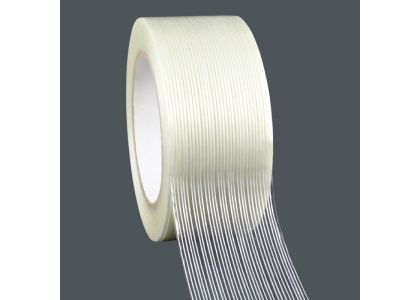
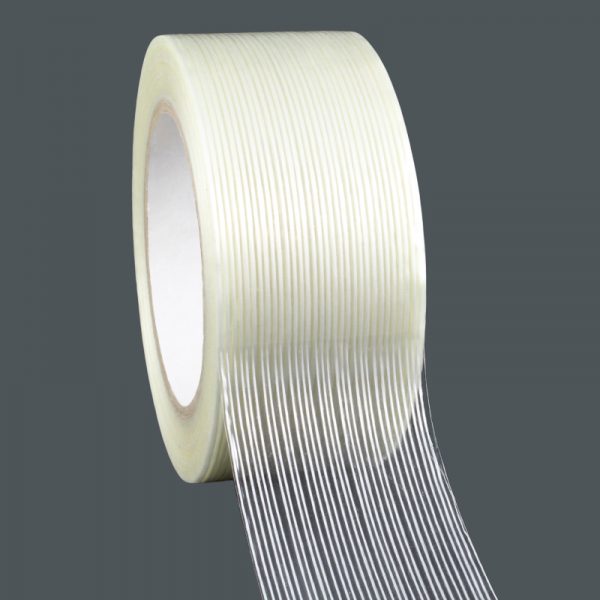
Filament tape is a pressure-sensitive adhesive tape embedded with continuous fiberglass strands, providing exceptional strength for strapping and bundling tasks. In filament tape automated strapping lines, it replaces traditional methods like metal bands or stretch film, offering flexibility and ease of use in high-volume operations.
Automated strapping lines integrate filament tape for tasks such as palletizing, unitizing, and case sealing. Key benefits include high tear resistance, quick application, and compatibility with machinery like automated dispensers and sealers. As a leading filament tape manufacturer, Jiaxing Risure produces tapes with tensile strengths up to 300 lbs per inch, ideal for demanding B2B environments. Proper implementation of filament tape automated strapping not only boosts efficiency but also reduces material costs by up to 20% through minimized failures.
Understanding the role of filament tape in these systems is crucial. It excels in high-stress scenarios, resisting abrasion and maintaining hold under vibration during transport. For B2B users, selecting the right grade—from utility to heavy-duty—directly impacts filament tape automated strapping success.
A robust filament tape automated strapping setup includes several essential components:
1. Tape Dispensers and Applicators: Automated dispensers ensure consistent tape length and tension.
2. Tensioning Mechanisms: Adjustable rollers or sensors control pull force to prevent over- or under-tensioning.
3. Sealing Units: Wipe-down plates or rollers for firm adhesion.
4. Conveyors and Sensors: For seamless integration into production lines.
5. Monitoring Systems: To detect issues like tape breaks or jams.
At Jiaxing Risure, as an experienced filament tape manufacturer, we recommend systems compatible with our GS-series equivalents, which feature hot melt adhesives for quick stick and long-lasting bonds. These components work synergistically to optimize filament tape automated strapping, ensuring precision in tension, sealing, and dispensing.
Tension control is the cornerstone of effective filament tape automated strapping. Improper tension can lead to tape slippage, load instability, or machine jams. Best practices include:
· Calibrate Tension Settings: Set tension to 50-70% of the tape's tensile strength to avoid stretching or breaking. For example, with a 200-lb tensile tape, aim for 100-140 lbs of pull.
· Monitor Environmental Factors: Adjust for humidity and temperature, as they affect adhesive performance. In high-humidity settings, increase tension slightly for better hold.
· Use Automated Sensors: Implement feedback systems to dynamically adjust tension based on load size and speed.
From our perspective as a filament tape manufacturer, consistent tension reduces rework by 15-25%. Train operators to perform daily checks, ensuring filament tape automated strapping runs smoothly and securely.
In practice, start with manufacturer-recommended settings and fine-tune based on trial runs. This approach minimizes defects and enhances the reliability of filament tape automated strapping in B2B operations.
Sealing is where filament tape automated strapping truly shines, providing tamper-evident and secure closures. Key techniques include:
· H-Seal Application: Apply tape across the center and sides of cartons for maximum reinforcement, ensuring 2-3 inch overlaps on each end.
· Firm Wipe-Down: Use multiple wipe-down points in automated sealers to activate the adhesive fully, preventing lift-off during transit.
· Centered Alignment: Position tape directly over seams to distribute stress evenly, reducing failure rates.
As a dedicated filament tape manufacturer, Jiaxing Risure advises using tapes with bidirectional filaments for enhanced shear strength in sealing. Avoid common pitfalls like under-filled cartons, which can cause poor adhesion—always ensure boxes are properly packed before filament tape automated strapping.
Incorporating these techniques can improve seal integrity by up to 30%, based on industry benchmarks. Regular training on sealing methods is essential for B2B teams to maintain high standards in filament tape automated strapping.
Dispensing is a critical phase in filament tape automated strapping, where precision directly affects throughput. Here are proven filament dispensing tips:
· Choose Compatible Dispensers: Opt for automated dispensers with easy-load features and adjustable cut lengths to match your line speed.
· Minimize Tension During Dispensing: Apply minimal pull to prevent curling or misalignment, ensuring smooth feed into the applicator.
· Regular Cleaning: Wipe dispensers daily to remove adhesive residue, avoiding jams that disrupt filament tape automated strapping.
At Jiaxing Risure, our role as a filament tape manufacturer involves designing tapes with low unwind force for seamless dispensing. Implement filament dispensing tips like using pistol-grip tools for manual backups, which can cut dispensing time by 20%.
To reduce waste, calibrate dispensers to dispense exact lengths—typically 6-8 inches per strap—and monitor usage with digital counters. These filament dispensing tips are invaluable for B2B efficiency in filament tape automated strapping.
Maintenance ensures the longevity of filament tape automated strapping systems. Essential strategies include:
· Daily Cleaning: Remove dust and debris from tension rollers and dispensers to prevent buildup.
· Inspect Wear Parts: Check filaments, blades, and seals weekly, replacing as needed to avoid breakdowns.
· Storage Protocols: Keep filament tape in controlled environments (40-80°F, 40-50% RH) to preserve adhesive quality.
As an expert filament tape manufacturer, we emphasize preventive maintenance to extend machine life by 50%. Use monitoring tools like alert systems for real-time issue detection in filament tape automated strapping.
Schedule quarterly audits to align with production demands, ensuring uninterrupted filament tape automated strapping operations.
Even with best practices, issues arise in filament tape automated strapping. Common problems and solutions:
· Tape Jams: Caused by residue; clean dispensers and use high-quality tape from a reliable filament tape manufacturer.
· Inconsistent Tension: Recalibrate sensors and check for worn rollers.
· Poor Sealing: Adjust wipe-down pressure and verify tape alignment.
Apply filament dispensing tips like testing small batches to identify issues early. Our team at Jiaxing Risure offers consultations to troubleshoot filament tape automated strapping challenges, drawing from years of B2B expertise.
A mid-sized logistics firm partnered with Jiaxing Risure, a trusted filament tape manufacturer, to upgrade their strapping line. Initially facing 10% failure rates due to improper tension, they adopted our recommended practices: calibrated tension at 60% capacity, H-seal techniques, and automated dispensers.
Results? Downtime dropped by 35%, and efficiency rose with better filament dispensing tips. This real-world example highlights the transformative power of optimized filament tape automated strapping in B2B settings.
Selecting a reputable filament tape manufacturer like Jiaxing Risure ensures access to customized solutions for filament tape automated strapping. Our products undergo ASTM testing for tensile strength and adhesion, guaranteeing performance. We provide expert guidance on tension, sealing, and filament dispensing tips, backed by innovative R&D.
In B2B markets, partnering with us means reliable supply chains and tailored tapes that enhance filament tape automated strapping ROI.
Mastering filament tape automated strapping through proper tension, sealing, and filament dispensing tips is key to B2B success. By following these best practices, you can achieve secure, efficient operations. At Jiaxing Risure New Material Co. Ltd., we're here to support your needs as a leading filament tape manufacturer.
Contact us for personalized advice on filament tape automated strapping.
Author: Jarod, Material Manager of Jiaxing Risure New Material Co. Ltd.