
info@jxgreentape.com
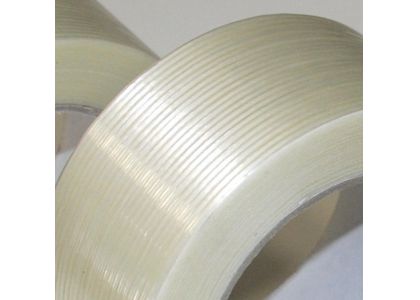
In the fast-paced world of B2B industrial packaging and manufacturing, selecting the right filament tape can make all the difference in efficiency, safety, and cost savings. As Jarod, Material Manager at Jiaxing Risure New Material Co. Ltd., a leading B2B adhesive tape producer, I've spent years evaluating materials to help businesses optimize their operations. This blog post delves into a detailed filament tape material comparison, focusing on fiberglass filament tape vs polyester. We'll explore key attributes like strength, abrasion resistance, and UV resistance to guide your decision-making.
Filament tape, reinforced with strong fibers embedded in adhesive, is essential for bundling, strapping, and securing heavy loads. Whether you're in logistics, construction, or manufacturing, understanding fiberglass filament tape vs polyester helps ensure you choose the best option. At Jiaxing Risure, we specialize in producing high-quality filament tapes tailored for B2B needs, including options for filament tape in bulk to support large-scale operations.
By the end of this filament tape material comparison, you'll have actionable insights grounded in industry expertise, helping you enhance performance while controlling costs.
Filament tape is a robust, pressure-sensitive adhesive tape reinforced with filaments—typically fiberglass or polyester—for superior tensile strength. Unlike standard packing tapes, it provides reinforcement against tearing, making it ideal for heavy-duty applications such as pallet stabilization and appliance bundling.
The importance of a thorough filament tape material comparison cannot be overstated in B2B contexts. Materials like fiberglass and polyester offer distinct advantages, influencing everything from load security to long-term durability. For instance, fiberglass filament tape vs polyester often comes down to environmental demands: fiberglass for high-strength needs, polyester for flexibility.
At Jiaxing Risure New Material Co. Ltd., our production processes ensure that every roll of filament tape meets stringent quality standards, drawing from our extensive experience in adhesive technologies. This expertise positions us as authorities in filament tape material comparison, helping clients procure filament tape in bulk with confidence.
When conducting a filament tape material comparison, several critical factors come into play:
1. Material Composition: Fiberglass offers rigidity, while polyester provides elasticity.
2. Adhesive Quality: Acrylic or rubber-based adhesives affect bond strength.
3. Filament Density: Higher density enhances overall performance.
4. Environmental Resistance: Key to longevity in varying conditions.
In fiberglass filament tape vs polyester, these factors determine suitability. For example, fiberglass excels in static loads, whereas polyester handles dynamic stresses better. Businesses buying filament tape in bulk should prioritize these to minimize failures and maximize ROI.
Our team at Jiaxing Risure conducts rigorous testing, simulating real-world scenarios to validate filament tape material comparison data, ensuring trustworthiness in our recommendations.
Diving into fiberglass filament tape vs polyester, fiberglass filament tape uses glass fibers for reinforcement, offering exceptional tensile strength but less flexibility. Polyester filament tape, reinforced with synthetic polyester yarns, provides better elongation and impact resistance.
In a head-to-head filament tape material comparison, fiberglass typically rates higher in sheer strength, making it preferable for rigid applications. Polyester, however, shines in scenarios requiring adaptability, such as curved surfaces.
Jiaxing Risure produces both variants in filament tape in bulk, allowing B2B clients to select based on specific needs. This fiberglass filament tape vs polyester overview sets the stage for deeper analysis.
Strength is paramount in filament tape material comparison. Tensile strength measures how much force the tape can withstand before breaking, while shear strength indicates resistance to sliding forces.
In fiberglass filament tape vs polyester, fiberglass often boasts tensile strengths exceeding 300 lbs per inch, ideal for heavy bundling. Polyester, with strengths around 200-250 lbs per inch, offers better elongation—up to 20%—reducing breakage under shock.
Industry tests, including ASTM standards, support this filament tape material comparison. For B2B users securing machinery, fiberglass minimizes risks, but polyester suits vibration-prone transport.
At Jiaxing Risure, our filament tape in bulk options include customized strengths, backed by lab-verified data, demonstrating our expertise.
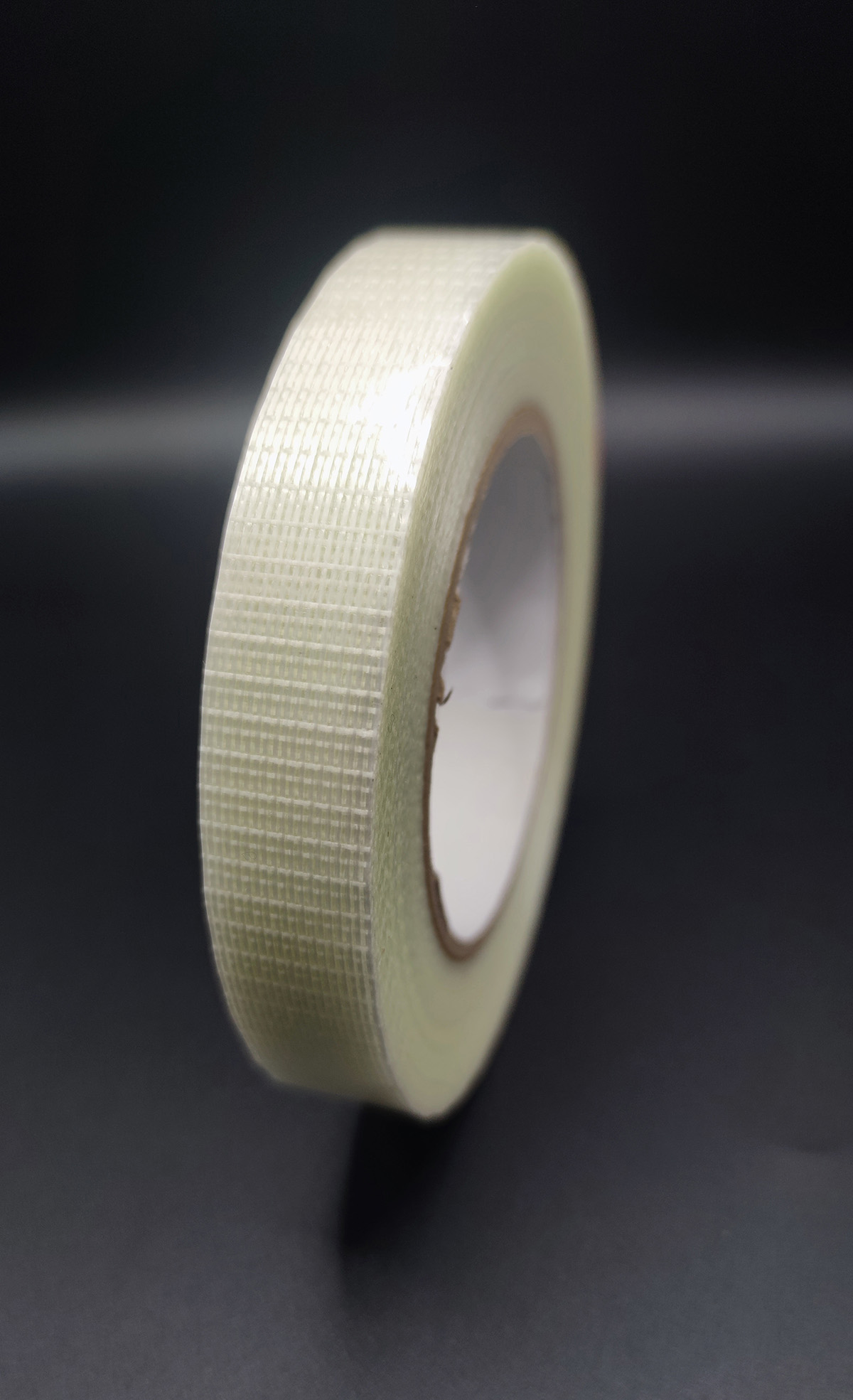
Abrasion resistance determines how well tape holds up against friction and wear, crucial for industrial use.
Comparing fiberglass filament tape vs polyester, fiberglass's hard fibers resist scratching better, maintaining integrity in abrasive settings like metalworking. Polyester, while flexible, may wear faster but recovers from minor damages due to its weave.
In filament tape material comparison studies, fiberglass shows 30-50% longer lifespan in high-abrasion tests. For filament tape in bulk purchases, this translates to fewer replacements.
Our manufacturing at Jiaxing Risure incorporates advanced coatings to boost abrasion resistance in both materials, ensuring reliable performance.
UV resistance is vital for outdoor applications, preventing degradation from sunlight.
In fiberglass filament tape vs polyester, polyester generally outperforms with built-in UV stabilizers, resisting yellowing and brittleness for years. Fiberglass, without additives, can degrade faster, losing up to 20% strength after prolonged exposure.
This filament tape material comparison highlights polyester for shipping and storage in sunny climates. Jiaxing Risure's UV-enhanced filament tape in bulk options mitigate these issues, drawing from our R&D expertise.
Applications vary in fiberglass filament tape vs polyester. Fiberglass suits construction for reinforcing beams, while polyester excels in logistics for flexible bundling.
In filament tape material comparison, choose fiberglass for static, high-load tasks; polyester for dynamic, weather-exposed ones. B2B sectors like automotive benefit from filament tape in bulk tailored to these.
Jiaxing Risure's portfolio covers diverse applications, with case-specific consultations.
Cost is key in filament tape material comparison. Fiberglass is pricier upfront due to raw materials, but its durability reduces long-term expenses. Polyester offers affordability for high-volume use.
Buying filament tape in bulk from Jiaxing Risure yields economies of scale, with discounts for B2B orders. In fiberglass filament tape vs polyester, bulk purchasing optimizes costs without quality compromise.
A logistics firm partnered with us for filament tape in bulk. Initially using fiberglass, they switched to polyester for UV-exposed routes, reducing failures by 40%.
This filament tape material comparison case underscores practical benefits, showcasing our authoritative solutions.
Choosing Jiaxing Risure for filament tape in bulk ensures quality in fiberglass filament tape vs polyester. Our expertise guarantees customized, reliable products.
This filament tape material comparison reveals strengths of fiberglass filament tape vs polyester. Contact Jiaxing Risure for filament tape in bulk tailored to your needs.
Author: Jarod, Material Manager of Jiaxing Risure New Material Co. Ltd.